Forty-eight years after more than 900 people died in one of the most horrifying episodes of mass murder in modern history, the former Jonestown settlement in Guyana is attracting a new kind of visitor: tourists seeking to understand the tragedy that shocked the world on November 18, 1978.
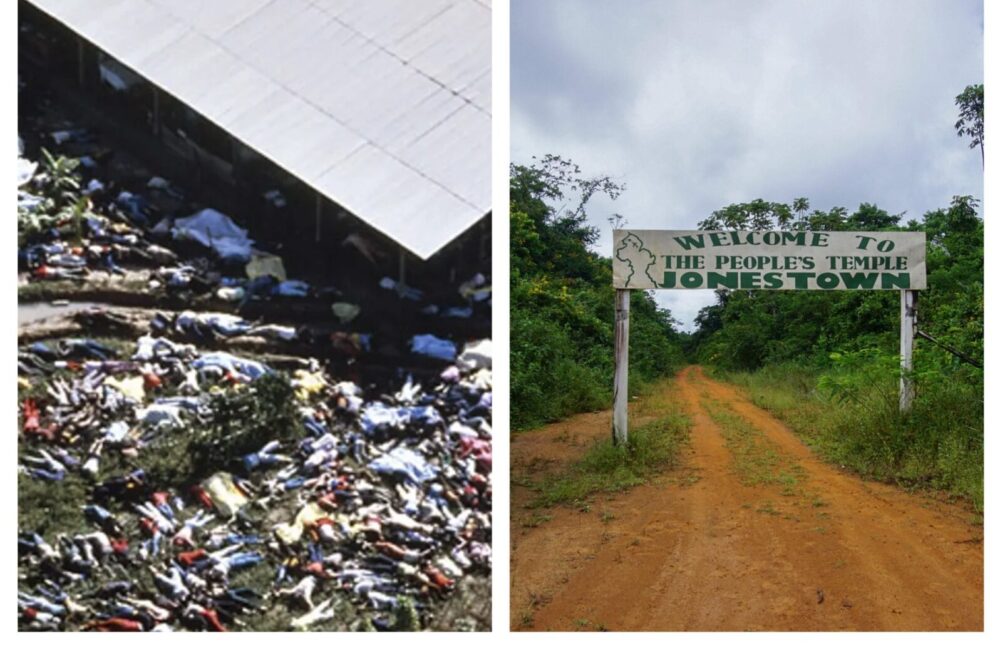
The abandoned agricultural settlement in the North West District, where American cult leader Jim Jones orchestrated the deaths of 909 members of the Peoples Temple, is now accessible through organised historical tours.
Georgetown-based Wanderlust Adventures GY launched its Jonestown Memorial Tour in January 2025, following the announcement of the initiative as part of seven tourism experiences promoted by the Guyana Tourism Authority in November 2024.
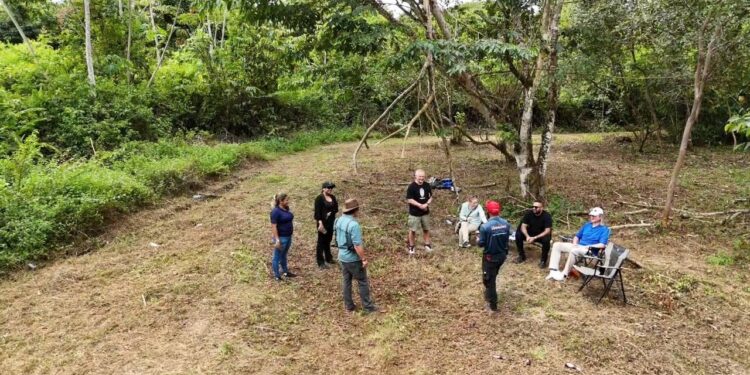
The tour takes visitors from Georgetown to Port Kaituma before proceeding to the former settlement, which has largely been reclaimed by the surrounding jungle. Visitors can see remnants of the community, including pieces of the main pavilion, parts of a cassava mill and abandoned agricultural equipment. The programme also includes a visit to the Port Kaituma airstrip, where US Congressman Leo Ryan and four others were murdered as they attempted to leave Guyana on November 18, 1978.
The initiative has, however, generated debate over whether a site associated with such immense human suffering should become a tourism attraction or be preserved primarily as a memorial.

The inaugural tour attracted seven participants from different parts of the world, including international journalists and visitors from Norway and the United States.
For Guyana, the development represents an attempt to preserve an important historical chapter while creating opportunities for tourism in the remote interior. But the debate over how Jonestown should be presented remains significant, particularly for survivors and relatives of those who died.
The massacre that shocked the world
On November 18, 1978, Jones led his followers in what he described as a revolutionary act at the agricultural commune in the Guyanese interior. The final death toll was 909, approximately one-third of whom were children.
Many members consumed a poison-laced fruit drink containing cyanide, while others were forced to ingest it. Armed guards surrounded the pavilion as the mass killing unfolded.
The tragedy remains one of the largest deliberate mass killings of civilians in modern history outside wartime.
The making of Jim Jones
Jones established the Peoples Temple in Indianapolis, United States, during the 1950s. Initially, he attracted followers through sermons promoting racial integration, social equality and assistance to disadvantaged communities.
His congregation included many African Americans who were drawn to his message of racial justice and collective responsibility.
The organisation subsequently relocated to California, first settling in Ukiah and later establishing a presence in San Francisco.
However, allegations of financial misconduct, physical abuse, intimidation and mistreatment of children increasingly surrounded the organisation.
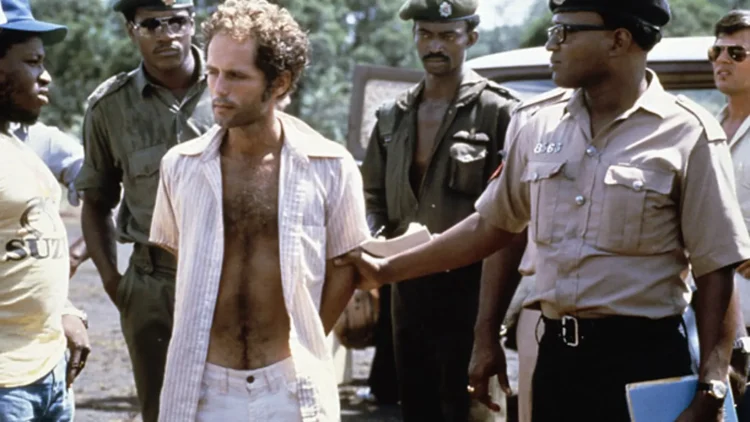
As scrutiny intensified, Jones encouraged his followers to relocate to Guyana, promising they would establish a socialist community free from racial discrimination and oppression.
The settlement, named Jonestown, was established in the Guyanese interior. Instead of the promised paradise, residents encountered exhausting working conditions, strict discipline, surveillance and intimidation.
Passports were confiscated, correspondence was censored and members were encouraged to report on one another. Jones also conducted mock suicide exercises to reinforce his control over the community.
Congressman’s visit ends in bloodshed
In 1978, concerned relatives and former members persuaded US Congressman Leo Ryan, a Democrat representing California, to investigate conditions at Jonestown.
Ryan arrived on November 17 with journalists and other observers. Initially, the visit appeared peaceful, but several residents subsequently approached his delegation requesting assistance to leave the settlement.
Jones became increasingly distressed over the defections.
On November 18, as Ryan and his delegation prepared to depart from the Port Kaituma airstrip, armed attackers opened fire. Ryan and four others were killed, while several people were wounded.
Back at Jonestown, Jones summoned his followers to the central pavilion and ordered them to participate in what he called a revolutionary act.
Children were among the first victims, with the poisoned mixture administered using syringes. Adults subsequently consumed the concoction, while armed guards prevented people from escaping.
When Guyanese officials arrived the following day, they encountered hundreds of bodies scattered across the compound.
A legacy that cannot be forgotten
The Jonestown tragedy permanently associated Guyana with one of the most devastating episodes of mass death in modern history.
Today, the former settlement stands as a reminder of the dangers of unchecked authority, psychological manipulation and the exploitation of vulnerable people.
The development of historical tours offers visitors an opportunity to understand the events beyond books, photographs and documentaries. However, preserving the dignity of the victims must remain central to any effort to present the site to the world.
Forty-eight years later, Jonestown remains a warning about what can happen when dissent is treated as betrayal and one individual is allowed absolute control over the lives of others.
The victims were parents, children, workers and families whose lives ended in unimaginable circumstances.
Jonestown was supposed to be a promised land. Instead, it became a place of unimaginable suffering, and its victims must never be forgotten.