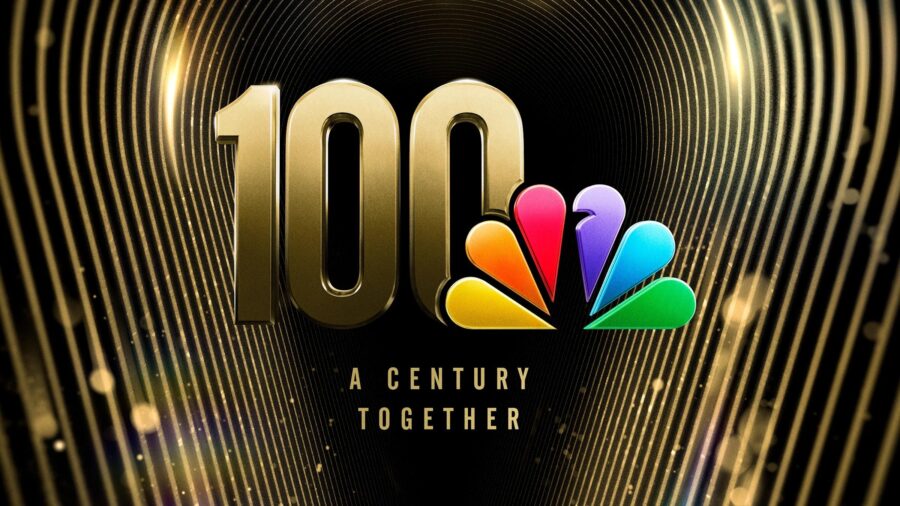
The National Broadcasting Company (NBC), one of America’s most recognisable broadcasting networks, marked its 100th anniversary on November 15, 2026, celebrating a century of journalism, entertainment, technological innovation and coverage of events that have shaped American and world history.
Founded on November 15, 1926, NBC began as a national radio network, bringing news, information and entertainment into American homes at a time when radio was transforming public communication. It subsequently expanded into television and became a major force in American broadcasting, helping generations of audiences witness significant historical, political and cultural developments.
The centenary, being celebrated under the theme NBC100: A Century Together, recognises the network’s evolution from its early radio beginnings into a major multimedia organisation encompassing television, news, sports and digital broadcasting.
According to NBCUniversal, the network has spent a century bringing American history into people’s homes, connecting generations through coverage of national and international events.
Among the historic milestones associated with NBC are its coverage of the Apollo 11 moon landing in 1969, the September 11, 2001 terrorist attacks, major presidential developments and landmark sporting events.
Its influential programmes include Meet the Press, which debuted in 1947 and became one of America’s longest-running television programmes, and TODAY, which began broadcasting in 1952. Other productions, including Saturday Night Live, The Tonight Show, Friends and Law & Order, helped establish NBC as a significant part of American popular culture.
To commemorate the anniversary, the Paley Museum in New York opened a special exhibition, NBC100: A Century Together, featuring more than 75 costumes, historical objects and memorabilia from the network’s celebrated programmes. Visitors can explore NBC’s history through archival photographs, interactive displays and television artefacts.
Further celebrations are planned at Rockefeller Center from December 4–10, culminating in a three-hour televised anniversary special, NBC100: The Live Celebration, scheduled for December 10 on NBC and Peacock.
However, beyond the entertainment and nostalgia associated with the milestone, NBC’s centenary provides an opportunity to reflect on a much more fundamental institution: the press and its indispensable contribution to democracy.
A century of journalism and democracy
A free and independent press is one of the essential pillars of democratic society. Its responsibility extends beyond reporting government announcements, political speeches and public events. Journalism must question those in authority, investigate wrongdoing, expose corruption, scrutinise public expenditure and provide citizens with information necessary to make informed decisions.
Democracy cannot function effectively when citizens are denied access to credible information or when those entrusted with public power operate without scrutiny.
The press serves as an important accountability mechanism, providing a platform for competing perspectives, challenging official narratives and bringing matters of public interest into the national conversation.
NBC’s history illustrates how broadcasting has transformed the public’s ability to witness events as they unfold. Radio and television have enabled millions to follow elections, wars, political controversies, scientific discoveries and social movements, often as events happen.
Nevertheless, the evolution of broadcasting also carries significant responsibilities. Media organisations must maintain journalistic independence, verify information, distinguish reporting from opinion and resist pressures that could compromise their credibility.
The importance of these principles extends beyond the United States. In countries around the world, including Guyana, an independent and courageous press remains essential to democratic accountability.
Where governments exercise enormous control over public resources, independent journalism provides citizens with an important means of examining how those resources are managed and whether public officials are fulfilling their responsibilities.
The right to question authority, investigate public institutions and publish uncomfortable truths must be protected, not treated as an inconvenience by those in power.
NBC’s 100th anniversary is therefore more than a celebration of broadcasting history. It is a reminder of the influence and responsibility of the media in shaping public understanding, preserving historical records and defending the principles of democratic accountability.
A century after NBC first entered American homes through radio, the fundamental purpose of journalism remains unchanged: to inform the public, hold power accountable and ensure that citizens are not left in the dark about decisions affecting their lives.