
The University of Guyana’s Institute of Research, Innovation and Entrepreneurship (UGIRIE) hosted a two-day Poultry Production Workshop on October 7 and 8, 2026. The workshop, which was held under the theme “Advancing Efficiency in Poultry Production through Innovation and Climate Smart Solutions,” saw the participation of several stakeholders, including university staff, representatives of the Ministry of Agriculture, the Guyana School of Agriculture (GSA), the private sector and the Caribbean Agricultural Research and Development Institute (CARDI).
Dr. Tiffany Arthur, Deputy Director of UGIRIE, said the workshop was designed to give the local industry fresh energy. “The workshop aimed to re-energise Guyana’s poultry industry by equipping participants with knowledge and practical skills to improve poultry production, strengthen poultry health management, optimise feeding and nutrition, and manage production costs to enhance profitability,” she said.
Encouraging more people to enter poultry production was also part of that goal, with participants being urged to build the technical knowledge and business management skills needed to establish and sustain profitable poultry enterprises.
In her opening remarks, Professor Pat Francis welcomed participants and reminded them that the demand for chicken is already there.
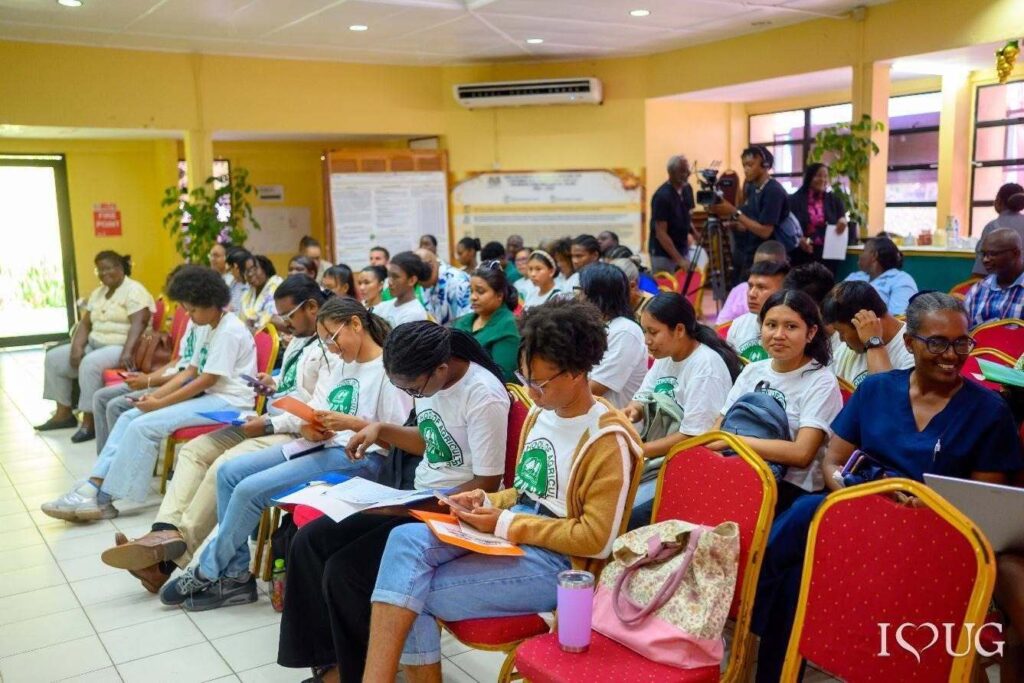
Professor Francis urged participants to see poultry as a real business. “I want you to think business from the jump,” she said.
The workshop sessions highlighted nutrition and general management, preventative and curative approaches, the economics of poultry production, tunnel ventilation, the advantages and design of slatted floors, and strategies for mitigating climate change.
Professor Francis led the session on nutrition and general management, explaining that feed is the biggest cost in poultry production, so small gains in how well birds use their feed can protect a farmer’s profit. She shared effective ways to improve feed utilisation, including adequate ventilation, filtering water through a sand and charcoal water filter, and reducing bird density.
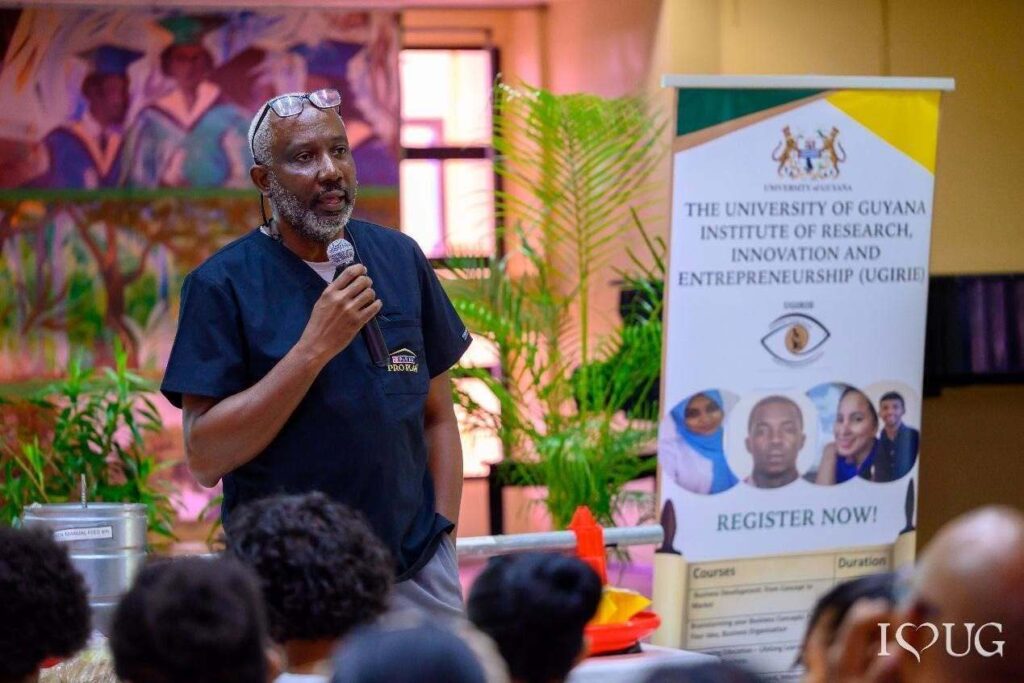
Dr. Nicholas Waldron explained that healthy birds impact animal welfare, production, human health and profits. He also stressed that “prevention is easier and cheaper than treatment” and that “no amount of drugs or vaccines can replace good flock management.” Participants learned to recognise the early signs of illness, the importance of biosecurity and the responsible use of medicine. He added that early recognition and accurate diagnosis lead to better outcomes, and that farmers should call a veterinarian instead of guessing at treatment. He also warned that antibiotics should never be used routinely to prevent disease, since antibiotic resistance could develop. Any serious or unusual illness should be reported to the authorities quickly.

Mr. Madainey Humphrey facilitated the session on the cost of broiler production. He told participants that the cost of production is not just the price of feed and chicks, but all the resources used to produce a bird that can be sold. Participants learned to sort costs into groups and then worked through a sample production cycle in teams, practising how to calculate costs, break-even prices and profits. Mr. Humphrey also stressed the value of keeping good records for every flock, so that farmers can compare one cycle with the next and make better decisions.
Mr. Fenton Nickram of the Guyana Livestock Development Authority (GLDA), in his presentation on tunnel-ventilated housing, highlighted an option for improving production efficiency.
Presentations by Dr. Robin Austin (GSA) on plastic slatted floors and Dr. Colwayne Morris (Zinpro USA) on mitigating climate change challenges in poultry production rounded out the programme. Together, the sessions showed how closely health, feeding, housing and money are linked. A healthy, well-managed flock optimises feed utilisation and reduces mortality, and a farmer who tracks costs knows early whether the business is working.
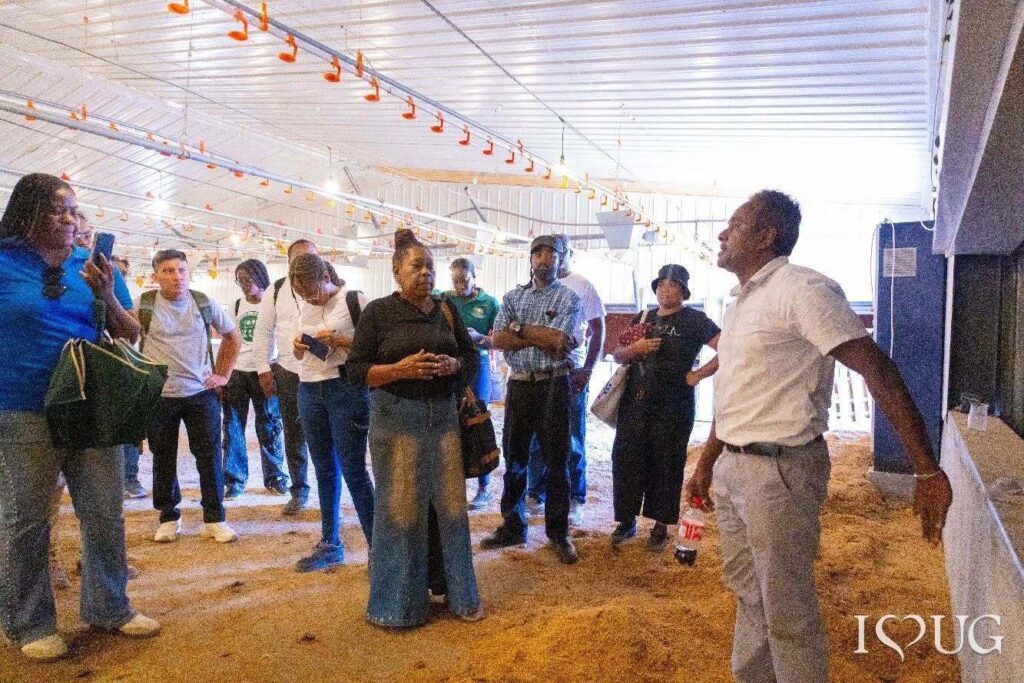
On the second day, October 8, participants travelled to Coastal Agri Innovations Inc. in Onverwagt, West Coast Berbice, and toured a tunnel-ventilated poultry house, where they saw the ventilation equipment, automated feeding systems and watering systems in operation. The tour gave them a practical understanding of how these technologies are used on a working farm.
Dr. Arthur noted that “appropriate housing, ventilation and environmental management can contribute to improved bird health, production efficiency and overall farm management.” She added that the visit supported the workshop’s technical sessions on tunnel ventilation and innovative poultry housing, “reinforcing the importance of adopting appropriate technologies to improve productivity and strengthen Guyana’s poultry industry.”