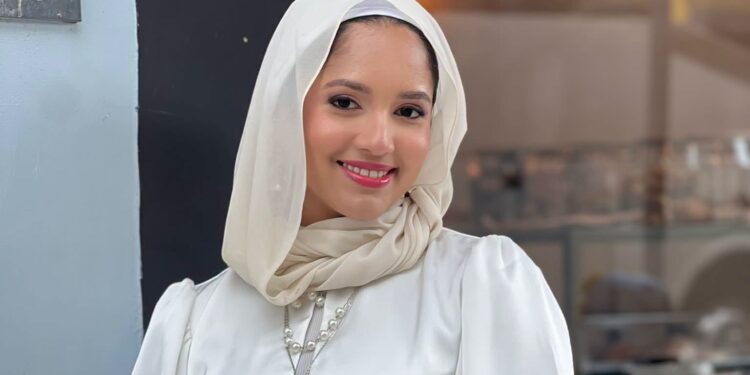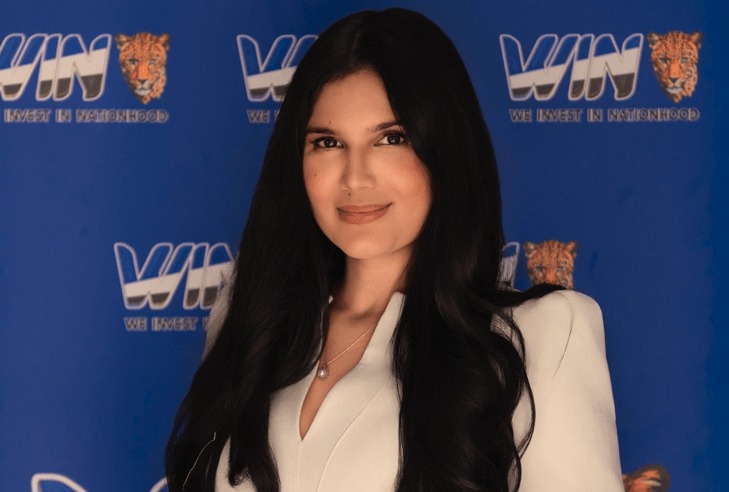
The We Invest in Nationhood (WIN) party has pushed back against criticism surrounding the expected swearing-in of Hadiyyah Mohamed, sister of Opposition Leader Azruddin Mohamed, with the party’s Office Manager, Hana Mohamed, pointing to what she describes as decades of family connections within the governing People’s Progressive Party (PPP).
In a lengthy statement posted on her social media page, Hana Mohamed argued that family involvement in politics is not new to Guyana and should not become a matter of political controversy simply because it involves a member of the Opposition.
Her response comes as Hadiyyah Mohamed is expected to take the oath of office as a WIN Member of Parliament at Wednesday’s sitting of the National Assembly, following the resignation of former WIN parliamentarian Andre Lewis in October.
The Order Paper for the sitting lists the “Oath of a New Member”, paving the way for Hadiyyah’s anticipated admission to the legislature. She is also expected to become the youngest Member of Parliament in Guyana.
Hana Mohamed lists family connections within PPP
In challenging the criticism, Hana Mohamed presented a list of 20 examples of family relationships involving current and former PPP politicians, ministers, senior public officials and individuals who have held positions in state institutions.
Among the examples she cited were Minister of Local Government and Regional Development Priya Manickchand and former Guyana Elections Commission (GECOM) Commissioner Jaya Manickchand, whom she identified as sisters.
She also pointed to the father-and-son relationship between former PPP executive member Hydar Ally and current Public Service Minister Zulfikar Ally, as well as the relationship between former President Donald Ramotar and his children Alexei and Lisaveta Ramotar, whom she said held positions in government-related institutions.
Other examples included Vice President Bharrat Jagdeo and Foreign Secretary Robert Persaud, whom she identified as uncle and nephew by marriage; Attorney General Anil Nandlall and Guyana Power and Light executive Kesh Nandlall, whom she identified as brothers; and Finance Minister Dr Ashni Singh and former senior audit official Gitanjali Singh, whom she identified as husband and wife.
Hana Mohamed also referenced family connections involving Public Works Minister Juan Edghill and his children, as well as former President Cheddi Jagan and his wife, former President Janet Jagan, both founding figures of the PPP.
Her list further included relationships involving the Ramson, Persaud, Teixeira, Luncheon, Nokta, Rohee and Benn families, among others.
Some of the examples she raised involved appointments or promotions in public institutions. In particular, she cited Gitanjali Singh’s promotion to Audit Director in 2012, which she said had generated conflict-of-interest concerns because her husband, Dr Ashni Singh, was then responsible for the country’s finances.
She also raised questions about family and political relationships involving ministers, senior public officials and members of the appointed judiciary, arguing that these warranted examination in relation to possible conflicts of interest, political patronage and the influence of personal connections on public appointments.
The relationships and concerns outlined in her post represent Hana Mohamed’s account and characterisation. They do not, in themselves, establish nepotism, improper appointments or wrongdoing by the individuals named.
‘The issue has never been family involvement in politics’
Hana Mohamed argued that the PPP was applying a double standard by making family relationships an issue when they involve the Opposition, while overlooking similar connections within its own political ranks and the public service.
She wrote:
“Family involvement in politics is nothing new in Guyana. It has existed across generations, administrations and political parties.”
She maintained that the controversy was not about whether relatives of politicians should participate in public life, but whether the same standards were being applied consistently.
In her strongest criticism of the governing party, she stated:
“The issue has never been family involvement in politics. It is the staggering hypocrisy of a political party that has built generations of political influence through its own family connections, yet suddenly finds those same relationships objectionable when they involve the Opposition.”
She further challenged the PPP to apply the same standards to its own political representatives and public appointments.
“You cannot condemn in others what you have practised, defended and benefited from for decades. The standards you demand of your political opponents must first be applied to yourselves.”
Hadiyyah Mohamed’s expected entry into Parliament
Hadiyyah Mohamed’s anticipated swearing-in follows Andre Lewis’ resignation from the National Assembly in October amid allegations against him and an ongoing investigation.
Lewis, in announcing his resignation, maintained that stepping down should not be interpreted as an admission of wrongdoing, while expressing his commitment to due process.
Hadiyyah’s entry will fill the vacancy created by his departure and add another member to WIN’s parliamentary team, which emerged from the 2025 General and Regional Elections as the largest opposition bloc in the National Assembly.
The controversy over her expected appointment has also brought wider questions about political representation, family connections and the standards applied to individuals entering public office into focus.
Hana Mohamed’s response seeks to turn that scrutiny back on the governing party, arguing that family relationships should not be selectively treated as a political liability. Her central challenge is that concerns about political connections and public appointments must be examined consistently, regardless of party affiliation.