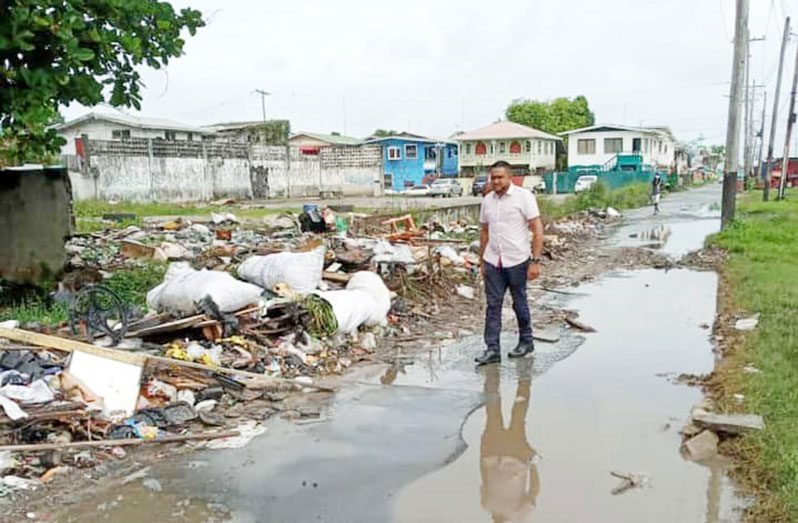
Guyana’s tourism industry is reaching new heights, with visitor arrivals setting records and international conferences bringing thousands of people to the country. Yet persistent littering, weak enforcement and limited resources for waste management pose challenges to maintaining a clean and healthy environment.
The problem raises questions about how effectively Guyana can protect the natural assets it promotes to international visitors while pursuing its ambitions to become a leading destination for sustainable tourism.
Director of the Guyana Tourism Authority (GTA), Kamrul Baksh, acknowledged that littering remains a longstanding challenge, saying the Government is pursuing public education and enforcement measures to address it.
Speaking to reporters on Thursday, October 8, during the State of the Tourism Industry Conference (SOTIC) at the Atlantic Suites by Hyatt in Kingston, Georgetown, Baksh said:
“The trash problem that we speak about globally, it is a problem and it is something that we at the government level are intervening on.”
Among the measures being pursued are fines for people caught littering. The Environmental Protection Agency (EPA) has also begun sharing video footage identifying individuals responsible for littering, with the aim of strengthening accountability.
Baksh said lasting improvements would require both public education and enforcement.
“Previously, this would be entirely filthy and littered, but it is two things. It is one on the education part and I think very importantly the enforcement of it.”
However, tackling littering is only one part of Guyana’s wider solid waste management challenge. Maintaining a healthy environment also requires reliable garbage collection, adequate disposal facilities, sufficient funding and equipment, and the consistent application of environmental laws.
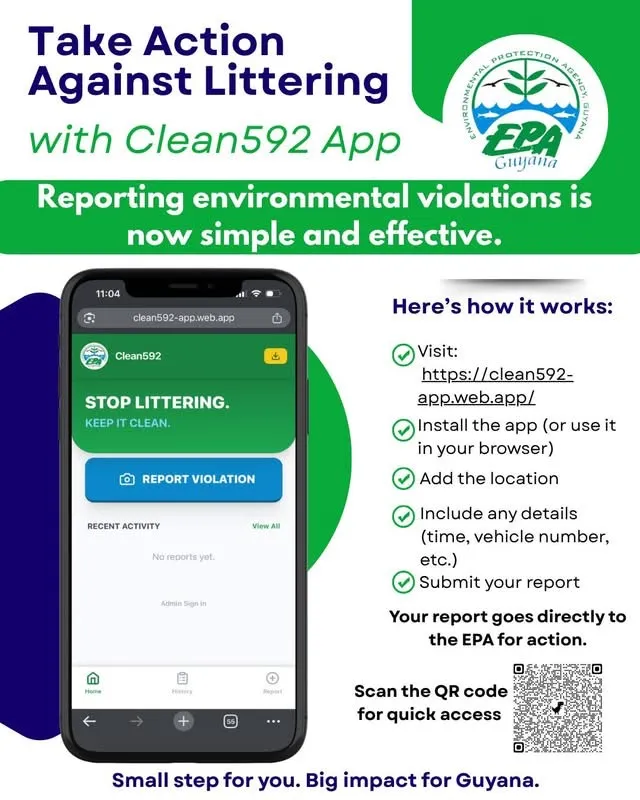
Weak enforcement and limited resources can undermine efforts to keep communities, roadsides, waterways and other public spaces clean. Fines and awareness campaigns may discourage irresponsible disposal, but their effectiveness will depend on whether authorities can enforce the rules consistently and provide the infrastructure needed to manage waste.
The challenge is particularly significant as Guyana’s tourism industry expands.
Baksh reported that Guyana welcomed close to half a million visitors last year, a record for the country, while arrivals between January and September 2026 continued to show strong momentum.
Guyana has also hosted more than 20 conferences and exhibitions this year, attracting over 20,000 attendees, including more than 12,000 visitors who travelled specifically for those events. Increased air connectivity and investment in accommodation are supporting the sector’s growth.
Approximately 80 per cent of Guyana is covered by rainforest, and its rivers, wildlife and cultural heritage remain central to its tourism appeal. Indigenous communities also contribute through community-based tourism ventures in which residents own and operate businesses and reinvest earnings in their communities.
Baksh said:
“The communities own the land, they own the assets, they run the business, they control the profits, they reinvest the profits, so that is a distinct feature.”
The GTA is also advancing sustainability standards across the industry. Baksh said Guyana had demonstrated 60 per cent compliance with relevant green practices and was working to extend certification among accommodation providers and tour operators.
The Authority is pursuing opportunities in adventure tourism, cultural immersion, sports tourism, health and wellness, and agritourism. A national tourism policy is being prepared to guide the sector over the next five years.
The conference, organised by the Caribbean Tourism Organisation under the theme “Tourism Futures: Smart, Sustainable, and Inclusive,” brought together government representatives, private sector leaders and other stakeholders to discuss the future of Caribbean tourism.
Guyana’s tourism ambitions will depend not only on attracting more visitors, but also on protecting the environment and maintaining clean, safe and welcoming public spaces. Without stronger waste management systems, adequate resources and consistent enforcement, persistent littering risks undermining the image of a sustainable destination the country is seeking to promote.