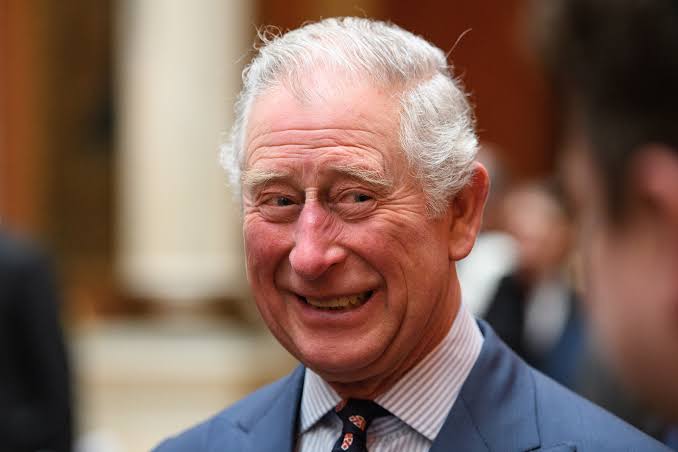
(Reuters) – King Charles will not shy away from Britain’s involvement in the transatlantic slave trade when he tours the Caribbean later this month, but will not formally apologise for “the darkest days of our past”, Buckingham Palace said on Friday.
Charles and his wife, Queen Camilla, will visit the Bahamas and Guyana before heading to Antigua and Barbuda, where he will attend the Commonwealth Heads of Government Meeting (CHOGM), being held from November 1-4 this year.
The trip comes amid growing calls from Caribbean and African nations for Britain and other former colonial powers to pay reparations for their involvement in slavery, with the issue expected to feature prominently at CHOGM.
The British government has ruled out paying reparations, although Charles, who remains head of state of several Caribbean nations, including the Bahamas and Antigua and Barbuda, has previously expressed sorrow over slavery.
Buckingham Palace said questions of reparations and formal apologies were matters for the British government.
“There are important discussions taking place in various fora about colonial legacy and the intergenerational impact of the transatlantic trade in enslaved persons,” a Buckingham Palace spokesperson said.
The spokesperson said the royal visit comes at an important point in relations between Britain and Caribbean nations.
“The visit programme will therefore not shy away from ‘the darkest days of our past’, as his majesty has described them, but – in keeping with the wishes of our host nations – it will principally be oriented to the vibrant present and promising future of each country.”
From the 15th to the 19th century, at least 12.5 million Africans were abducted and sold into slavery by European merchants. Britain was responsible for transporting an estimated 3.2 million enslaved Africans, making it the second-most active European nation after Portugal.
Charles, who is head of the Commonwealth, a grouping of 56 nations, mostly former British colonies, representing some 2.7 billion people, has supported research into the British monarchy’s historical links to the transatlantic slave trade.
Last month, the Jamaican government formally asked Charles to seek legal advice on whether Britain should pay reparations and said it was “encouraged” by Buckingham Palace’s engagement on the issue.
The Palace spokesperson pointed to Charles’s longstanding public acknowledgment of slavery and efforts to address inequalities linked to its legacy.
“It is important to note here the work his majesty himself has done over many years both to acknowledge the wrongs of the past and to find creative ways to right inequalities that endure.”
The spokesperson added:
“As you would therefore expect, opportunities will be found during the visit to reflect and renew his personal, wholehearted, and continuing commitment to that process.”
The issue of reparations has gained renewed attention across the Caribbean, with governments and regional organisations debating the financial, legal and social consequences of slavery and colonialism.
In February, Commonwealth Secretary-General Shirley Botchwey told Reuters she expected member states to make progress toward beginning negotiations on reparations.