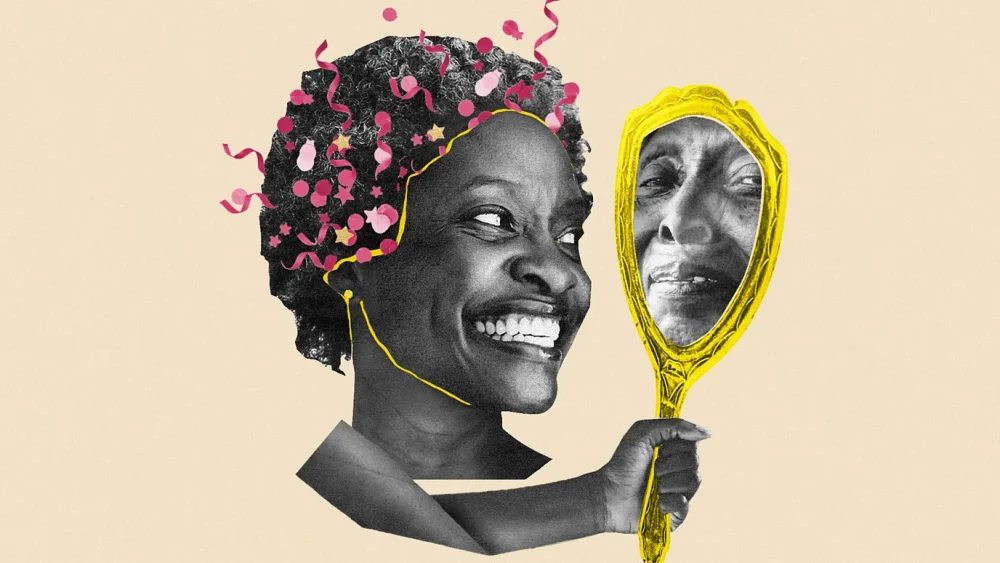
Ageing is inevitable, but research suggests that how people view it can influence how they experience later life, with positive attitudes linked to greater wellbeing, healthier functioning and potentially longer lives.
The World Health Organisation defines ageism as harmful thoughts, feelings or actions directed at people because of their age. Although it can affect people at any stage of life, older adults are most frequently the focus of research.
In the United Kingdom, about one in three people reportedly experience age-related prejudice or discrimination. A US study of 2,000 adults aged 50 to 80 found that 93% had experienced some form of everyday ageism.
Researchers say negative stereotypes can become internalised, influencing how older people view their own abilities and limiting their willingness to learn, remain active or take on new challenges.
Parminder Raina, scientific director at the McMaster Institute for Research on Aging in Canada, argues that society should rethink the language used to describe ageing.
“Ageing is not a destructive force. It is actually a remarkable achievement of the modern public health system.”
The effects can extend beyond attitudes. Studies suggest that reminding people of negative stereotypes about ageing before they perform a task can increase anxiety and undermine confidence.
Yet the assumption that older people are generally weak or dependent does not reflect the experience of many. Raina notes that most older adults live in their communities, function independently and continue contributing through work, family life and volunteer activities.
Research has also found a link between positive perceptions of ageing and “subjective age”—how old people feel compared with their actual age. People with more positive views tend to report feeling younger.
One significant finding comes from Becca Levy, professor of epidemiology and psychology at Yale University. Her research found that people with positive beliefs about ageing lived an average of 7.5 years longer than those with less positive perceptions.
Levy’s research has also associated positive age beliefs with better memory performance and fewer indicators linked to Alzheimer’s disease.
Researchers say changing attitudes requires more than individual effort. Media portrayals, cultural expectations and assumptions about what people should or should not do at particular ages can reinforce stereotypes.
Hannah Swift, a social and organisational psychology researcher at the University of Kent, advocates greater interaction between generations and changes to cultural expectations about age.
Research indicates that intergenerational programmes can reduce ageism, while strong social networks and multigenerational communities can help combat loneliness and isolation.
Individuals can also examine their own assumptions. Levy’s “ABC” approach involves becoming aware of age-related beliefs, recognising when ageism rather than ageing is responsible for a problem, and challenging stereotypes by questioning whether they are supported by evidence.
As populations grow older, researchers argue that addressing age-based stereotypes benefits not only today’s older adults but people of every generation who hope to age with health, independence and dignity.
Read the full BBC story on ageism, ageing and the research behind these findings.