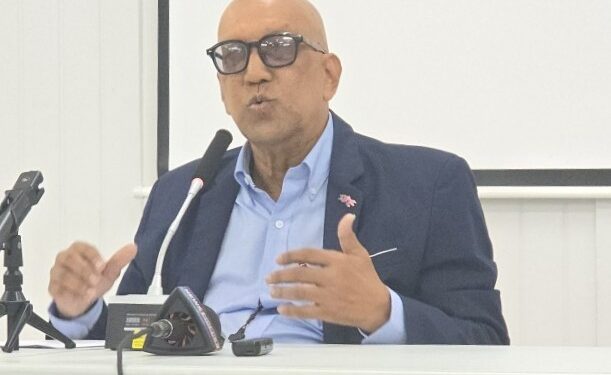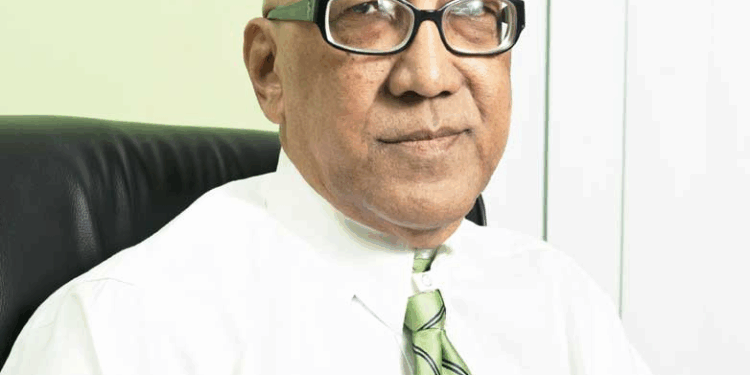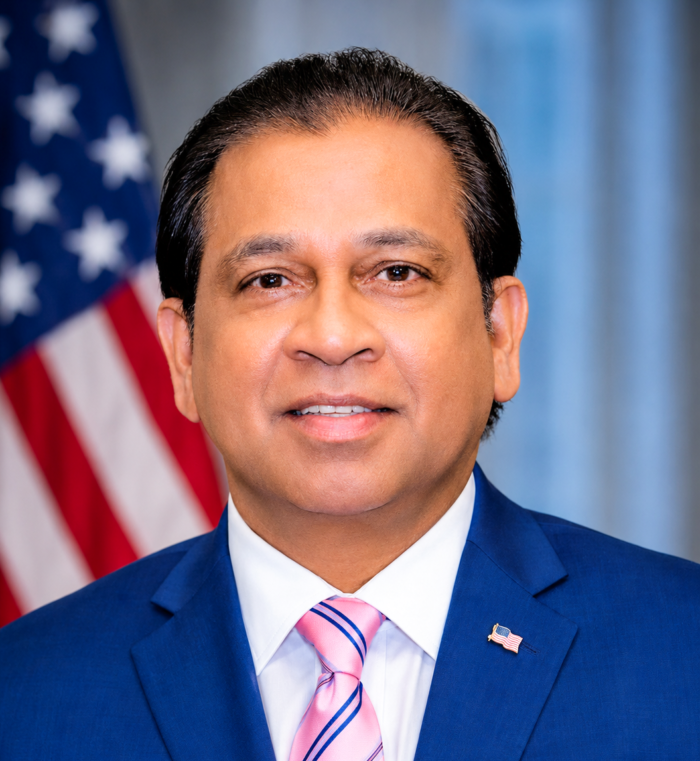
The prevention of Justice Gino Persaud from boarding a Miami-bound flight while travelling to a judicial conference in Jamaica, on the ground that his United States visa was “under review,” raises serious questions-both public and private, national and international.
Justice Persaud is a sitting High Court judge who has delivered decisions adverse to the Guyana Government and the Guyana Revenue Authority, including matters involving members of the Mohamed family. The timing and absence of an explanation create a troubling appearance and possible chilling effect, even if no improper motive is ultimately established.
This is not a partisan issue. It concerns Guyana’s sovereignty, judicial independence and the treatment of its citizens.
The U.S. Embassy should provide Justice Persaud, and the public, with:
- His precise visa status.
- The legal or administrative basis for the review.
- The date and reason it began.
- Whether information or recommendations were supplied by any Guyanese or other authority.
- A fair opportunity to correct any misrepresentations, mistakes and/or allegations.
The Guyana Government must likewise state whether any official, ministry, police, intelligence, revenue or immigration agency requested, encouraged or supplied information supporting adverse U.S. action against him. The Acting Chancellor and Judicial Service Commission should seek a formal diplomatic explanation and preserve all relevant correspondence. It is no longer a Justice Persaud issue, but a judicial event that goes to the heart of democracy and judicial independence in Guyana.
An unavoidable question is being asked: Is this connected to the extradition proceedings against Opposition Leader Azruddin Mohamed, or could it be perceived as a warning to the presiding magistrate and other judicial officers handling politically sensitive cases?
Ambassador Nicole D. Theriot, who has been shockingly vocal in pronouncing on Guyanese legal cases, must address these and other issues as to whether Justice Persaud’s visa review bears any relationship to his judicial decisions, the Mohamed family or the pending extradition case.
The United States cannot punish, demote or dismiss a Guyanese judicial officer, but it controls their visas. Any use or threatened use of visa powers to influence a judicial decision would constitute a grave interference with Guyana’s judicial independence and warrant review by the U.S. Department of State and appropriate oversight authorities.
Article 122A of Guyana’s Constitution requires every court and judicial officer to remain free from political, executive and other external direction. Justice Persaud’s treatment should therefore not be dismissed as a private inconvenience. It requires prompt, lawful and transparent clarification from both governments, especially since it has attracted national and international attention, and scrutiny.
Justice Persaud, the Guyanese people, and all fair thinking persons deserve an explanation. Guyana’s judiciary deserves protection. The public deserves immediate answers from both the Guyana and US governments.
We await your response, Madam Ambassador, and President Ali.
Hon. Albert Baldeo
Community Leader, Judicial Delegate (NY/USA)
Fmr. Magistrate, Senior State Counsel, Police Legal Advisor (Guyana)
President, GUYANA BEYOND BORDERS