Guyana’s Indigenous heritage took centre stage on September 19 as the Ministry of Amerindian Affairs hosted its annual Dinner and Gala, Waikho Mukuta Khotan, at the Royal Ballroom.
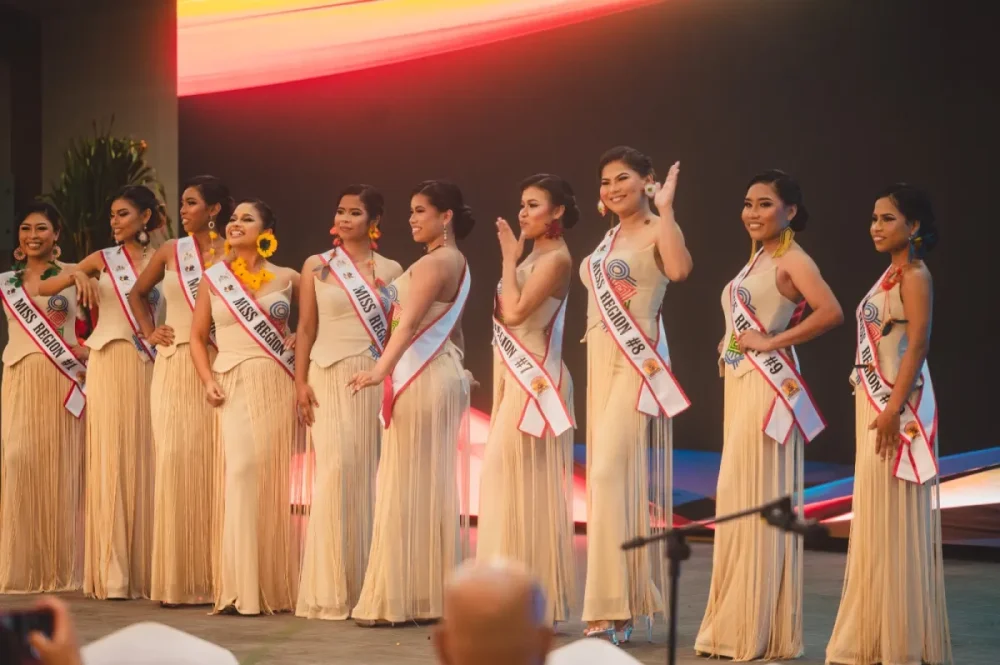
The event brought together government officials, Indigenous community members, stakeholders and the 10 delegates competing for the title of Miss Amerindian Heritage Queen 2026.
The gala forms part of a month-long national observance that began on September 1, featuring cultural performances, exhibitions and community activities across Guyana.
The 2026 observance is being held under the theme “Observing Our Cultural Heritage During Our Diamond Jubilee: Honouring Our Traditions, Culture and Contributions,” as Guyana marks its 60th anniversary of Independence.
Amerindian Heritage Month was formally designated in 1995 by then President Dr. Cheddi Jagan.
The month is also associated with September 10, 1957, when Stephen Campbell became Guyana’s first Amerindian Member of Parliament. Amerindian Heritage Day is observed annually on September 10 in recognition of that milestone.
Guyana’s Indigenous peoples are descendants of the country’s first inhabitants and are recognised by the Ministry of Amerindian Affairs as nine Indigenous Nations: Wai Wai, Macushi, Patamona, Arawak (Lokono), Carib (Karinya), Wapishana, Arekuna, Akawaio and Warau (Warao).
The three nations traditionally associated primarily with the coastal areas are the Arawak, Carib and Warau, while the other six are concentrated mainly in Guyana’s interior. (
The latest official census figure available for Indigenous ethnicity is from the 2012 Census, which recorded 78,492 Amerindians, representing about 10.5 per cent of Guyana’s population.
The country’s 2022 Census recorded a total population of 878,674, although a comparable updated Indigenous population figure is not included in the currently published census information.
Most Indigenous communities are located in Guyana’s hinterland, particularly in Regions 1, 7, 8 and 9, where Indigenous peoples form substantial or majority populations.
The Ministry of Amerindian Affairs lists 169 Amerindian communities, including villages, settlements and satellite communities. It also reports that 96 communities have legal recognition of the lands they use and occupy.
The celebration of Indigenous culture continues against a backdrop of persistent socio-economic challenges.
Development assessments have identified difficulties associated with geographic isolation, access to health care and education, water infrastructure, transportation and digital connectivity, as well as limited access to markets and economic opportunities in some hinterland communities.
Environmental concerns have also affected some Indigenous communities, particularly those exposed to the impacts of extractive activities. Mercury contamination associated with gold mining has been identified as a serious concern for communities in parts of the interior.
Against that wider backdrop, Minister of Amerindian Affairs Sarah Browne-Shadeek said Heritage Month should represent more than celebration and entertainment.
“Heritage Month is not only meant for partying but it’s a time for reflection, a time to honor our identities and pay homage to our heritage,” she said.
The 10 regional delegates were formally presented during the gala ahead of the national pageant.
Browne-Shadeek described the pageant as a major national cultural event supported by Indigenous villages and communities.
“Our pageant is the largest pageant in Guyana and this is because of you, our supporters, and the villages, the communities of people who stand behind these strong women,” the minister said. (dpi.gov.gy)
The pageant will provide the delegates with a platform to demonstrate their cultural knowledge, talents, confidence and connections to their communities, while promoting greater appreciation for Indigenous heritage.
The 10 contestants will compete for the title of Miss Amerindian Heritage Queen 2026 on September 30 at the National Cultural Centre, bringing the month-long observances to a close.
Beyond the pageant and other festivities, Heritage Month also provides an opportunity to reflect on the preservation of Indigenous languages, traditions, cultural knowledge and land rights, while considering the continuing social and economic challenges facing communities across Guyana’s hinterland.