By Mark DaCosta- We Invest in Nationhood (WIN) is calling for urgent drainage works in West Ruimveldt, where residents of Crescent Street and Ivy Lane say recurrent flooding has become a persistent threat to homes, property and everyday life.
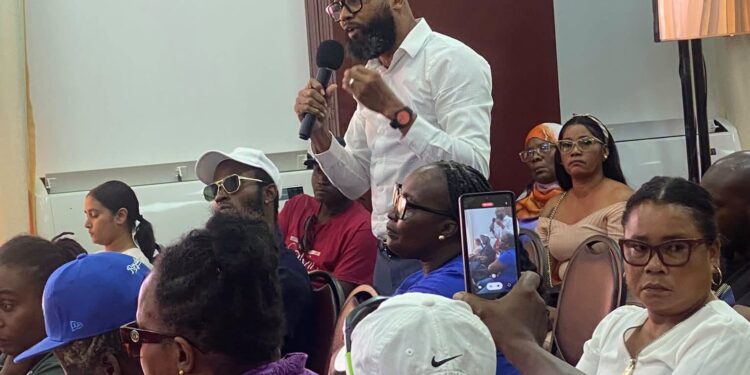
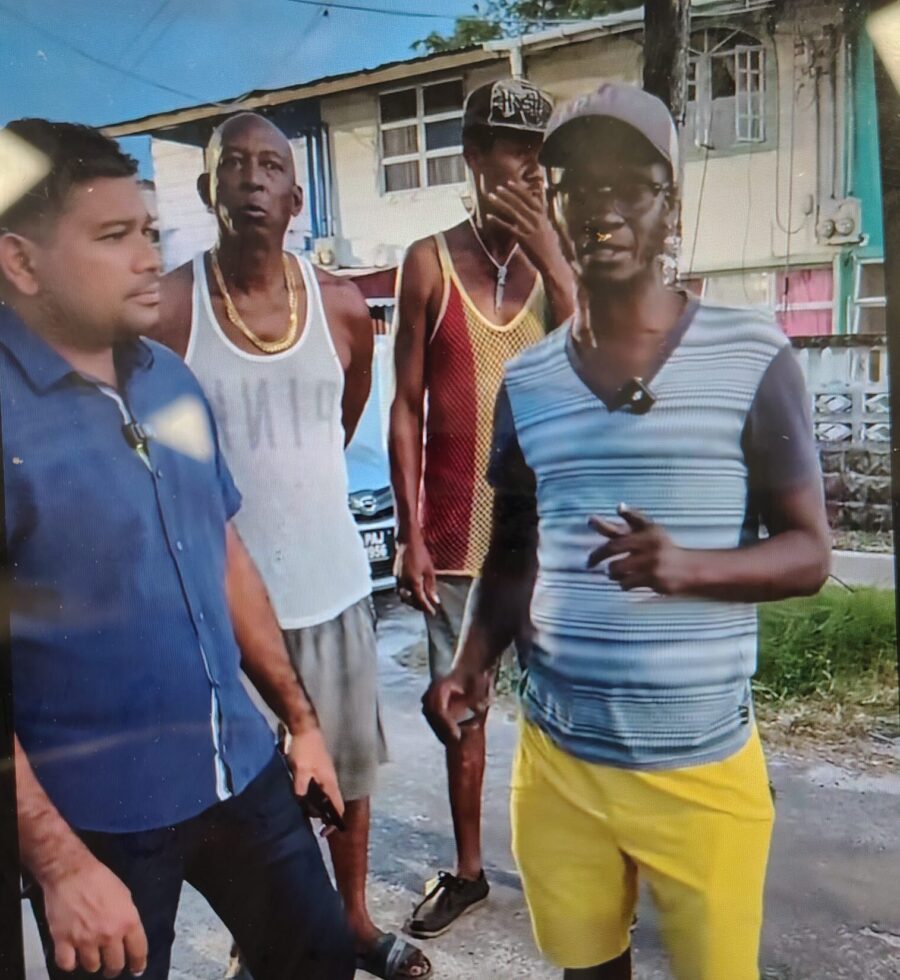
The call followed a September 16 visit by Opposition Leader Azruddin Mohamed to residents in the area, who raised concerns about inadequate drainage and dangerously low-hanging electricity wires.
According to WIN, Ministers Keoma Griffith and Juan Edghill had previously toured the neighbourhood and heard residents’ concerns, but the party said no remedial action followed.
WIN is now calling on Local Government Minister Priya Manickchand to ensure that the drainage infrastructure is rehabilitated, including excavation and connection of the neighbourhood’s drains to the main canal along the front road.
“The drains [need] to be excavated and connected to the main canal along the front road,” WIN said.
The party also highlighted conditions at Bomb Square, where it said a damaged culvert was covered with concrete rather than properly repaired.
“The culvert was covered with concrete instead of being properly repaired, causing water to back up into the community,” WIN said.
WIN is also calling on Guyana Power and Light (GPL) and the minister responsible for public utilities to address the low-hanging electricity wires and ensure they are properly secured.
Flooding Is a Wider Georgetown Problem
The concerns raised in West Ruimveldt come against the backdrop of Guyana’s longstanding vulnerability to flooding, particularly in Georgetown and other communities along the low-lying coastal plain.
The World Bank has noted that about 90 percent of Guyana’s population lives on the coastal plain, much of which is below sea level. The country’s flood-management system depends on an interconnected network of canals, culverts, sluices and pumps to move excess water away from populated areas.
The consequences of inadequate drainage can extend well beyond temporary inconvenience. Persistent standing water can damage homes, roads and other infrastructure, disrupt businesses and transportation, and create public-health risks. The World Bank has previously linked poorly functioning drainage and waste-disposal systems in Georgetown to increased exposure to water- and vector-borne diseases.
Guyana’s vulnerability is compounded by climate change, urbanisation and rising sea levels, which can reduce the periods during which water can drain naturally to the Atlantic.
What Is Needed
Flood prevention requires more than responding after heavy rainfall. Experts and development agencies have identified several elements necessary to strengthen Guyana’s drainage resilience, including regular excavation and maintenance of canals and trenches, properly functioning culverts and sluices, upgraded pumping capacity, improved drainage connections and stronger management of flood-control infrastructure.
The World Bank’s Coastal Adaptation and Resilience Project, approved in 2024, includes plans to repair or replace more than 45 drainage infrastructure assets and strengthen the management and maintenance of the country’s drainage network.
A US$6 million pump station at Liliendaal, completed as part of earlier flood-risk management investments, also demonstrates the importance of pumping infrastructure in Georgetown’s interconnected drainage network. The World Bank said the facility can help reduce flooding in communities extending as far as South Ruimveldt.
For residents of West Ruimveldt, however, the immediate concern is much closer to home: whether the drains serving their community will be properly rehabilitated and maintained before the next period of heavy rainfall.
WIN is urging the relevant authorities to move beyond inspections and commitments and undertake the drainage and electrical works it says residents have been requesting.