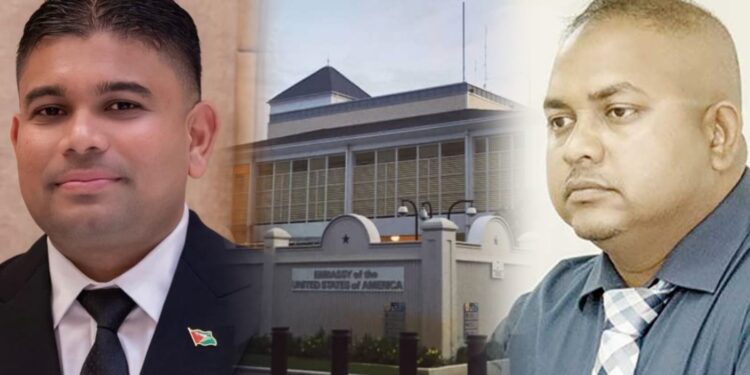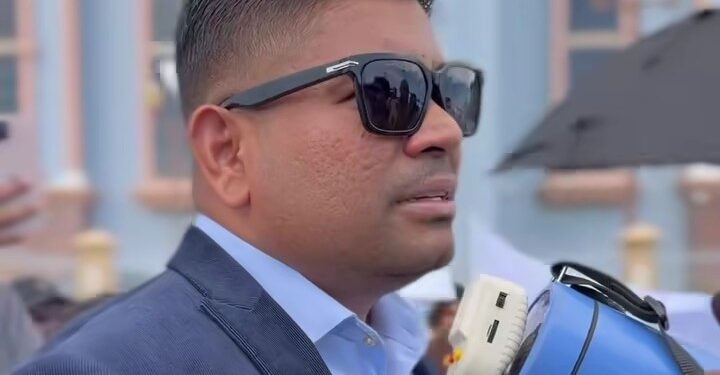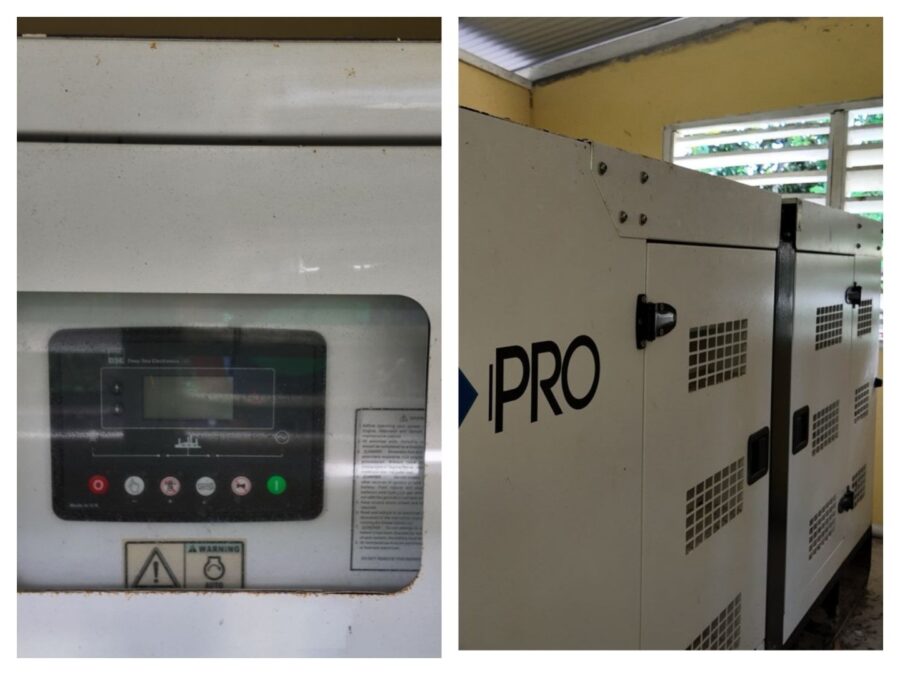
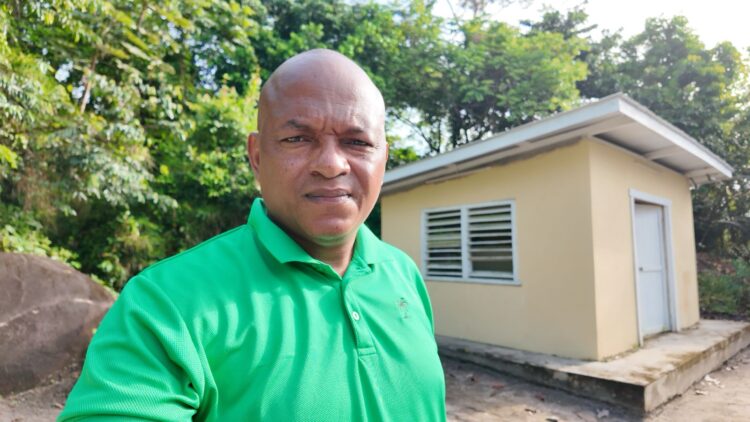
More than four years after residents of Warapoka, Region One, were promised a generator-based electricity supply, the community remains without the reliable power system they were told would be established, according to Opposition Member of Parliament Sherod Duncan, who has brought the matter to public attention following a recent visit to the village.
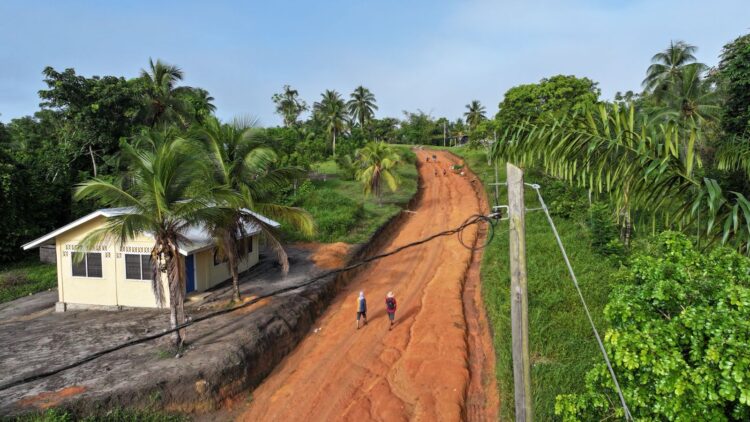
Duncan said residents raised concerns about the stalled electricity project during his visit, pointing to a generator, electricity poles and cables that are already in the community but, according to residents, are not being used to provide electricity to households.
The promise dates back to March 1, 2022, when Regional Chairman Brentnol Ashley, during an outreach with Housing and Water Minister Collin Croal, told residents that Warapoka would receive its own generator-based electricity supply “in the coming months.”
However, no firm commissioning date, generating capacity, number of households to be connected or operating schedule was announced.
More than four years later, Duncan said, those questions remain unanswered.
“The promised generator is physically present in the village, along with poles and cables, but residents say the system is not supplying them with electricity.”
The Government subsequently made budgetary provisions for electricity infrastructure in the community.
In February 2024, Local Government and Regional Development Minister Sonia Parag identified G$4.536 million for Warapoka under the regional fuel-and-lubricants budget and referred to the establishment of an electrical grid.
A further G$1.098 million was identified in August 2024 under supplementary fuel-and-lubricants funding to support the operation of mini-grids. The two allocations cited by Duncan amount to G$5.634 million.
The allocations, however, do not establish how much was ultimately spent, what work was completed with the money or why the generator and associated grid have not resulted in a functioning electricity service.
Solar systems provide only partial relief
In the absence of a functioning community grid, residents have received solar systems.
The Government reported in November 2023 that 102 households in Warapoka received solar systems as part of a wider distribution of 473 systems across several Region One communities. The initiative was intended to improve electricity access in communities outside the national grid.
Residents, according to Duncan, appreciate the systems but say their capacity is insufficient to meet all household electricity needs.
Some families therefore continue to rely on privately owned generators, leaving them to absorb the continuing cost of fuel.
The Guyana Energy Agency has identified numerous hinterland communities outside the country’s public electricity grids and has noted the significantly higher cost of transporting diesel to remote areas.
Questions over reach and connection costs
Residents have also raised concerns about whether the proposed network will benefit the entire community.
Duncan said some residents fear that households located farther from the main road could remain without electricity even if the generator and distribution network become operational.
Residents have also indicated that they could face substantial costs to wire their homes to the electricity poles. According to Duncan, some of the community’s limited Low Carbon Development Strategy (LCDS) resources have been used, or are expected to be used, to assist with the work, but residents contend that the funds are insufficient to connect households throughout the village.
The concerns come as the Government continues to invest in hinterland electricity infrastructure.
In July 2026, Public Utilities Minister Deodat Indar said the Government had invested approximately G$4.3 billion over five years to expand electricity generation, modernise infrastructure and introduce renewable-energy systems in hinterland communities.
Against that backdrop, Duncan is calling on the Region One administration and the responsible ministries to account for the Warapoka project.
“The Region One administration and the responsible ministries must explain why the generator is not supplying power, how the allocated funds were used, when the system will become operational, how many households will be connected, and who will bear the connection and maintenance costs.”
For residents who have waited more than four years, the issue is now less about another promise and more about delivery.
Duncan said Warapoka needs a functioning, reliable and inclusive electricity service, rather than infrastructure that remains unused while residents continue to depend on limited solar systems and costly private generators.