The government is continuing to advance the Gas-to-Energy Project at Wales, Region Three, with the first turbine expected to undergo initial firing and testing in December, as efforts intensify to increase electricity generation and meet Guyana’s rapidly growing power demand.
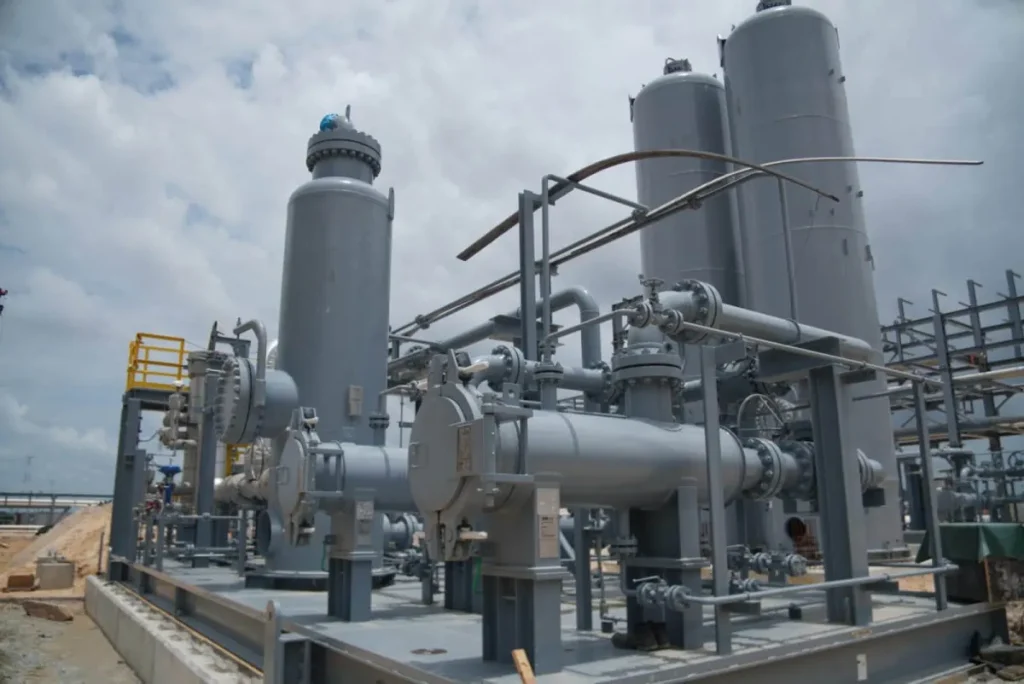
During a site visit to assess the progress of the project, Minister of Public Utilities and Aviation, Deodat Indar, said the first turbine is being prepared to receive natural gas, with the necessary infrastructure, including the natural gas liquefaction plant, sludge catcher and associated piping, being put in place.
According to the minister, the first turbine is expected to provide approximately 57 megawatts of additional power to the national grid.
Phase One of the Gas-to-Energy Project is designed to deliver 300 megawatts of electricity.
Minister Indar said the additional generation capacity is critical as electricity consumption continues to increase, particularly during periods of extreme heat when demand on the national grid peaks.
“The grid needs the power. There’s El Niño happening, there’s a heat wave, people are using a lot of electricity in Guyana, and we have to meet that demand,” he said.
The minister explained that the project is being advanced through a coordinated effort involving several technical teams, with some 1,300 workers currently engaged at the Wales site.
He said once the first turbine is fired and tested, work will continue to bring it online and ultimately integrate the additional generation capacity into the national grid.
The project includes four gas turbines and two steam turbines, which together are expected to provide the planned 300 megawatts.
A substation is also being established to facilitate the transmission of the generated electricity into the national grid.
The increased generation capacity is expected to play a critical role in supporting Guyana’s expanding economy, as residential, commercial and industrial development continues to drive higher electricity consumption.
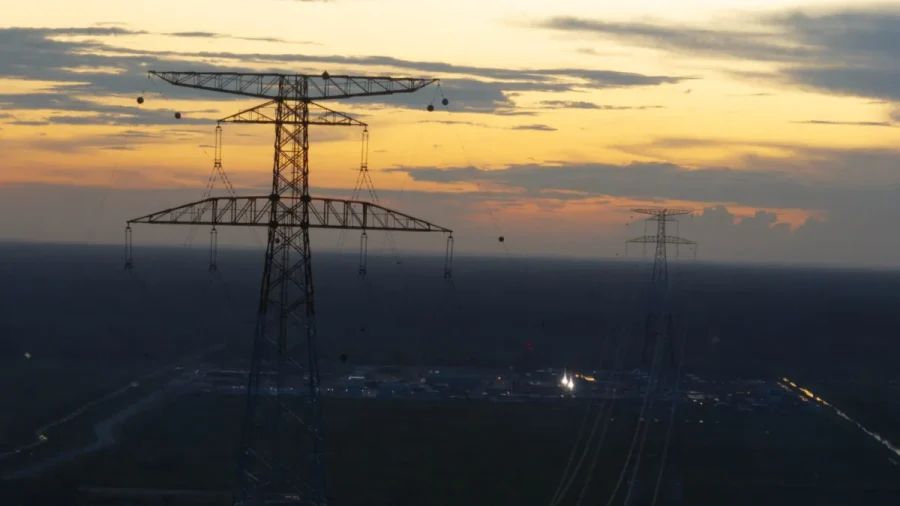
Minister Indar said the Government is simultaneously strengthening the transmission network, noting that approximately 425 kilometres of new lines are being constructed to help distribute electricity more efficiently and reduce pressure on existing infrastructure.
With electricity demand continuing to rise, the Gas-to-Energy Project is expected to provide a significant increase in reliable generation capacity.
DPI