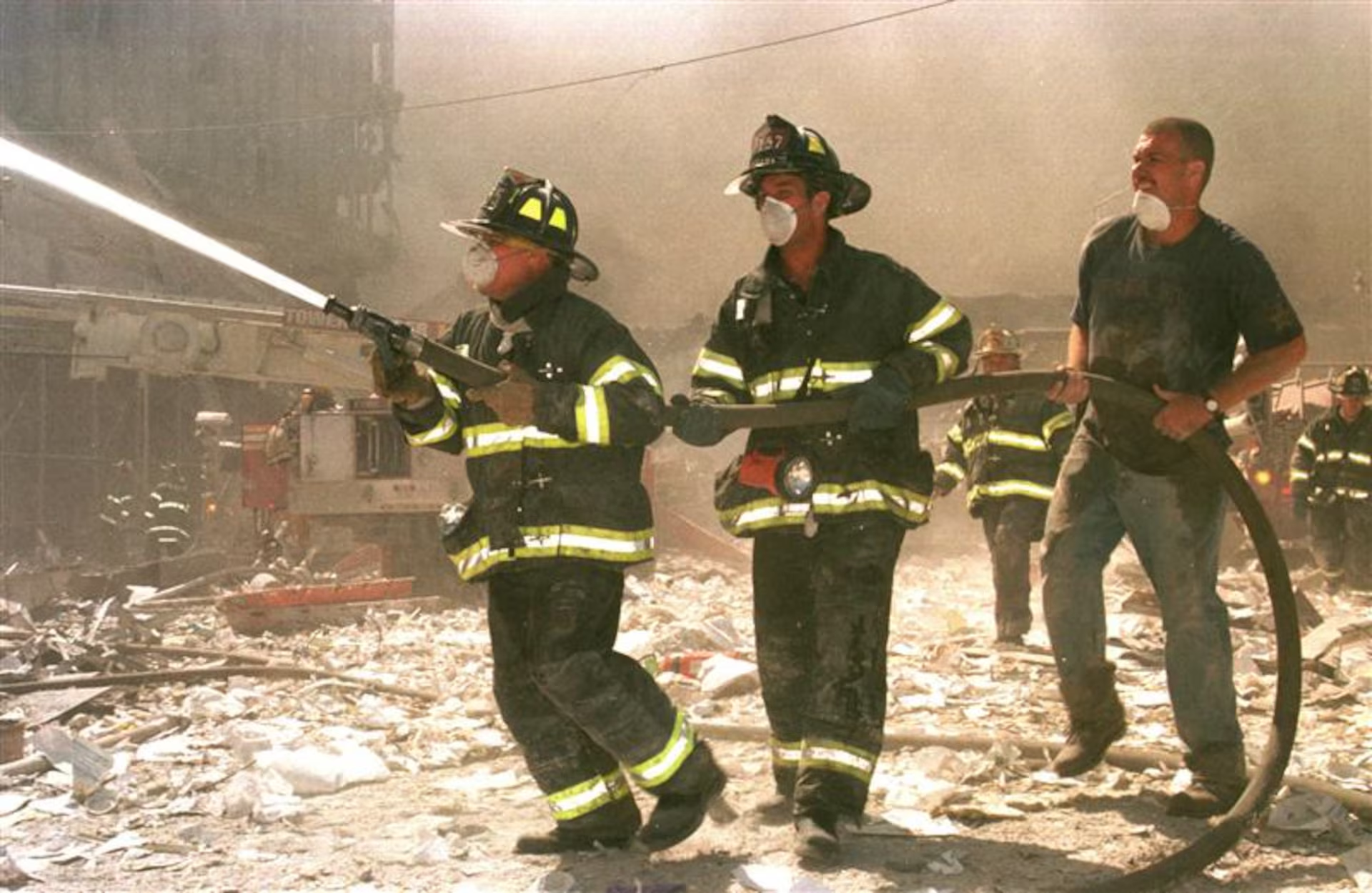
Nearly 25 years after the September 11, 2001 terrorist attacks, the human cost of the tragedy continues to grow as first responders who survived the attacks and their aftermath face serious illnesses linked to their exposure at Ground Zero.
The September 11 attacks killed nearly 3,000 people in New York, at the Pentagon and in Pennsylvania. But the consequences did not end when the fires were extinguished and the rubble was cleared.
Reuters reported Wednesday that emergency workers who rushed to Ground Zero were exposed to toxic conditions and that many have subsequently developed cancers and other serious illnesses.
For some, the exposure has ultimately proved fatal, creating a second, much longer death toll from the attacks.
At one Manhattan firehouse, the passage of time is particularly visible.
Sal Argano, now 65, remains the last firefighter still working at the Engine 10/Ladder 10 firehouse who was assigned there at the time of the attacks.
The station, known as “Ten House,” stands directly across from the World Trade Center site.
Argano was not at the station when the first plane struck the World Trade Center. He had been temporarily assigned to another station in Brooklyn, a circumstance he believes saved his life.
“I think about that all the time,” he said.
When he returned, the firehouse had been badly damaged. Six of its firefighters were among the 343 New York City firefighters killed in the World Trade Center collapse.
Nearly a quarter-century later, the firehouse continues to operate as an emergency station but has also become an unofficial memorial.
Visitors to the World Trade Center site regularly stop at the station, where firefighters continue to answer emergency calls while carrying the memory of those who never returned.
Argano has taken on an additional role: preserving that memory for younger firefighters and visitors.
The transformation of the surrounding area has been dramatic.
The former World Trade Center site now contains the memorial pools, the 9/11 Museum and new skyscrapers. But for firefighters such as Argano, the location remains inseparable from the colleagues who died there.
The continuing illnesses among first responders have added another chapter to the history of September 11.
The immediate death toll is etched into the memorial at Ground Zero. The later deaths and illnesses, however, demonstrate that the consequences of the attacks extended far beyond that terrible morning.
As the United States approaches the 25th anniversary, the stories of surviving firefighters and other first responders serve as a reminder that September 11 is not only a historical event.
For many families and survivors, it remains an ongoing reality.
And for those who worked at Ground Zero, the legacy of the attacks is measured not only in memories, but in illnesses that continue to emerge a generation later.