More than 1,400 teachers in The Bahamas have been placed on “industrial action alert” after members of the Bahamas Union of Teachers rejected the government’s financial counterproposal for a sixth time.
The latest development deepens a wage dispute that has dragged on since negotiations began in October 2025.
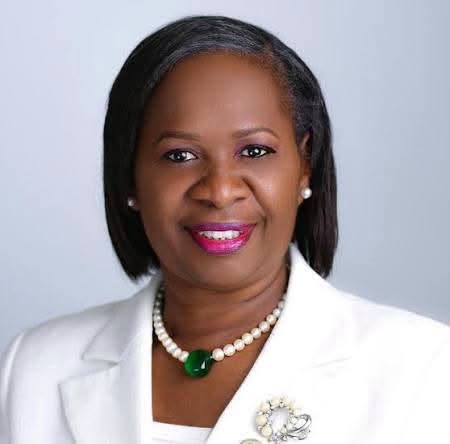
Bahamas Union of Teachers President Belinda Wilson told members that the government had again presented the same financial proposal previously rejected by the union.
“The Government has sent the same financial counterproposal from April 15th 2026 that you have REJECTED five times,”
Wilson said during an emergency general membership meeting.
Teachers subsequently rejected the proposal again.
The union is seeking a 20 per cent salary increase over three years. Wilson has said that most non-financial elements of the negotiations have been agreed, leaving salary increases and other financial provisions unresolved.
The latest rejection raises the possibility of disruption to the country’s public education system.
The union had already warned for months that industrial action could follow if negotiations failed.
In an August membership meeting and survey, Wilson said 80.5 per cent of respondents rejected the government’s salary counterproposal, while 81.1 per cent rejected its proposed maximum salary scale.
She also said 84.8 per cent voted in favour of industrial action if an agreement was not reached following a three-day deadline.
The union has not disclosed what form industrial action would take or when it could begin.
The teachers’ dispute is unfolding alongside another education-sector labour dispute involving the Bahamas Educators Managerial Union.
More than 90 per cent of BEMU’s membership reportedly participated in industrial action earlier this week, resulting in public schools being dismissed early. The Supreme Court subsequently issued an interim injunction restraining the union and its members from continuing the action.
BEMU has raised concerns including promotions, disputed postings and an industrial agreement that expired in 2025.
BEMU President Stephen McPhee said some issues had been addressed but maintained that other grievances remained unresolved.
Prime Minister Philip “Brave” Davis offered a more positive assessment after meeting union representatives, saying matters had been worked out.
The developments highlight growing pressure on the Bahamian government from public-sector unions over wages, working conditions and outstanding workplace grievances.
For teachers, however, the central issue remains compensation.
The union argues that its members have waited long enough for a settlement and has rejected repeated financial proposals.
The government has not reached an agreement with the union, leaving the possibility of industrial action hanging over the country’s schools.
With negotiations still unresolved, the next step could determine whether the dispute remains at the bargaining table or moves into a wider confrontation between teachers and the government.