More than five weeks after the MV Barima sank off Guyana’s coast, killing more than 100 people, the disaster is becoming a broader test of the government’s handling of public transportation, Indigenous communities and accountability.
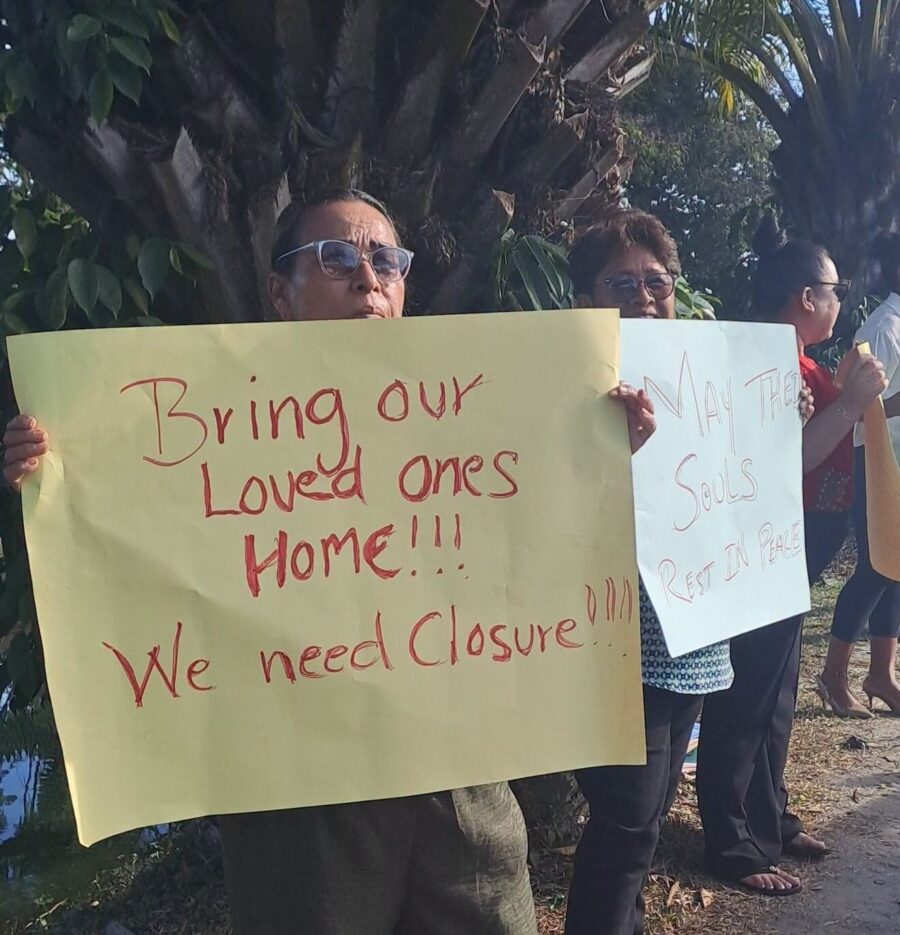
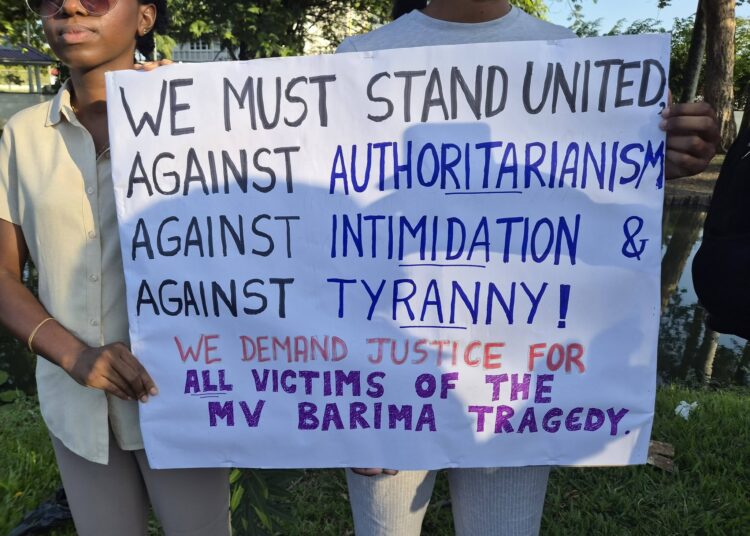
The latest protest came last week, when Indigenous people and representatives of the Amerindian Peoples Association demonstrated against the government’s response. Their demands have included accountability for the disaster, improved transportation services in hinterland communities and the removal of Public Works Minister Juan Edghill and Public Utilities and Aviation Minister Deodat Indar.
The Indigenous protest followed demonstrations by opposition supporters and civil society groups, which have continued to press the government for answers.
The protests have focused increasingly on a question that predates the sinking: Why was an 87-year-old vessel still carrying passengers to Region One after a newer vessel had been purchased as its replacement?
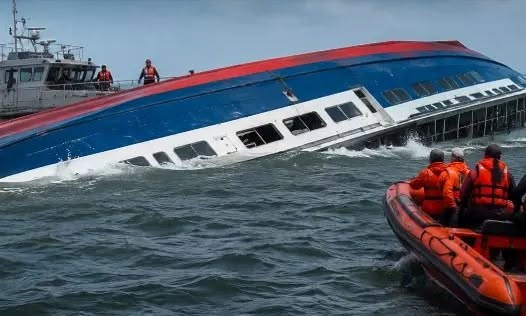
A vessel that was supposed to be replaced
The Barima sank July 18 while travelling toward Port Kaituma, exposing longstanding weaknesses in the transportation system serving Guyana’s remote northern communities.
Authorities have determined that 179 people were aboard. Of those, 76 survived, 73 died and 30 remain unaccounted for and are believed to be missing.
The scale of the disaster has also drawn attention to the passenger manifest, which did not initially account for everyone aboard.
The government had acquired the newer MV Ma Lisha from India in 2023, with the vessel intended to improve transportation services and replace the ageing Barima. But the Ma Lisha has not been able to properly serve Port Kaituma because of problems with the local stelling.
The condition of the wharf has become a central issue in the political debate over the disaster. Critics argue that the failure to complete the facility left residents dependent on the much older Barima.
There is, however, no finding that the condition of the Port Kaituma stelling caused the sinking. That question is expected to be among those examined by the Commission of Inquiry established by the government.
For Indigenous communities, the issue extends beyond the fate of one vessel. The Amerindian Peoples Association has argued that the disaster exposed longstanding shortcomings in the transportation system serving Indigenous and hinterland communities, including river, road and air services.
Government has not named salvage bidders
The government is also facing questions about what happens next to the wreck.
The Maritime Administration Department invited companies with specialised marine salvage experience to submit Expressions of Interest for recovering the Barima. The deadline was Aug. 14.
The government has said it received more than 10 expressions of interest and would evaluate the submissions before selecting a contractor.
But as of Wednesday, the government has not publicly identified the companies that responded. It has also not disclosed the final number of submissions, the firms shortlisted or whether a preferred contractor has been selected.
The lack of information has become a point of contention for opposition politicians and civil society advocates, particularly because the wreck could provide physical evidence for the Commission of Inquiry.
Opposition parliamentarian Ganesh Mahipaul has called for greater disclosure of the salvage process.
The government has said the submissions must first be evaluated under the procurement process before a contractor can be selected.
The technical challenge is significant. The wreck lies in relatively shallow water but in conditions involving strong currents, mud and limited underwater visibility. The salvage operation must also account for the preservation of evidence that could assist investigators.
For families of those still missing, however, the wreck is more than evidence.
It may contain the remains of people who have not been recovered.
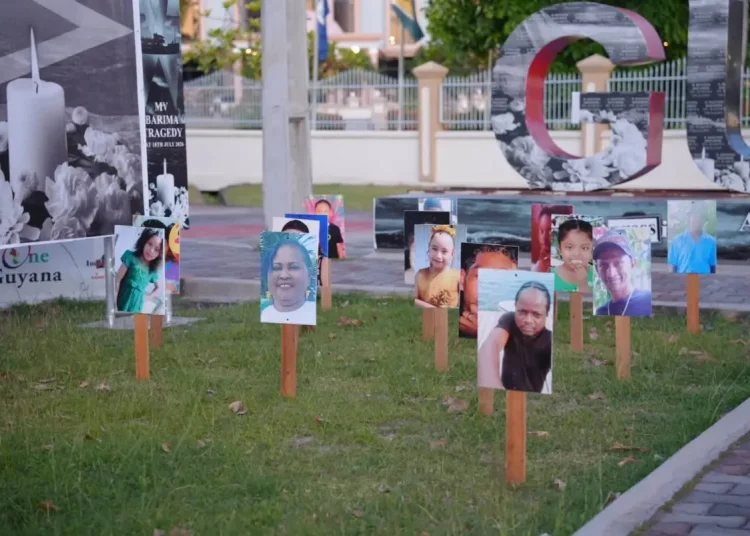
Protests shift from grief to accountability
The continuing protests suggest that the Barima disaster is evolving from a maritime tragedy into a wider political dispute over how the government serves communities far from Georgetown.
The Indigenous demonstrations have placed the experiences of hinterland residents at the center of that debate. Opposition lawmakers and civil society groups have continued to challenge the government’s response, while families of victims remain focused on recovery and answers.
The government has responded by pointing to its outreach to affected communities and the Commission of Inquiry. On Wednesday, Housing Minister Collin Croal visited several Region One communities, including Imbotero, Smith Creek, White Water, Hotoquai and Aruka Mouth, as part of efforts to engage survivors and bereaved families.
But the government’s actions have not quieted the questions surrounding the disaster.
The central issue is no longer simply what happened on the Barima on July 18. It is whether the conditions that made the vessel so important to Region One should have existed in the first place — and whether the government is now being sufficiently open about the effort to recover the vessel that could help explain how 73 people died.
Until the wreck is recovered and the inquiry begins its substantive work, those questions remain unanswered.