There is the general view that the government has total disregard for the people. And this is not a recent view. For years there have been challenges to what is seen as excesses by the government.
One challenge has been the government’s use of the Natural Resource Fund. This fund was created to harness the funds from the oil resources. The earnings have provided a windfall for a country that relied on its exports.
It is intended to provide security for future generations. However, despite huge budgets, the Fund is being attacked. More than eighty-five per cent of what has been deposited, billions of hard currency has been withdrawn to date.
At the same time the foreign debt has increased threefold.
Like nearly every Third World country, Guyana exports raw materials. Its timber, gold, bauxite, rice and sugar are all exported in their primary state. These prices are determined by the global market. Guyana has no say over what it is paid.
For decades Guyana was left to the vagaries of the world market. Such was the global market that sugar production became meaningless. The cost of production far outweighed the receipts.
Many countries, including some in the region, opted out of sugar production. The David Granger administration in the brief time it served as the government, rightsized the industry.
Funding the operations was described as pouring money into a black hole. But sugar represented the mainstay of the PPP government. When it returned it reversed what the Granger administration did. It continued to pour money into sugar. But the returns are non-existent.
While the government is pouring money into sugar to make its political base happy, public servants are ignored. They barely eke out a living. Many cannot cope with the cost of living.
Approaches to the government are ignored. The people simply contended that the government does not care.
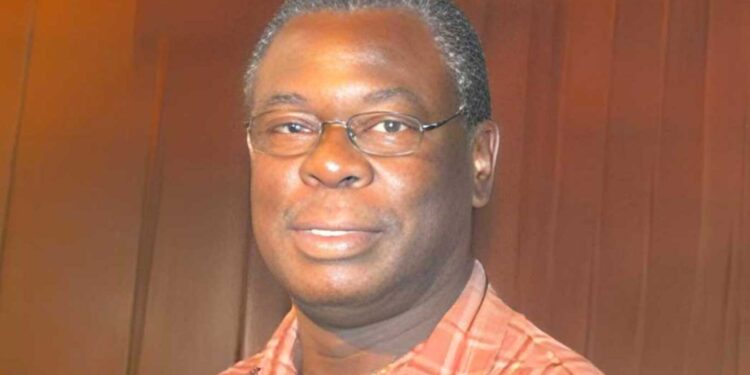
Dr Terrence Campbell went to court to challenge the government’s use of the Natural Resource Fund. The courts heard the challenge. More than a year has passed since the decision was promised. It has not yet been handed down. It was promised on three occasions. Nothing.
There was the gas to energy project. This project is more than three years overdue. There is no end in sight to its completion. Meanwhile, the cost of the project has tripled.
The government decided to rent two power ships. Initially, the rental was for one year. Those power ships cost a fortune. After two years, the owners have been receiving huge sums of money that might never have been earned otherwise.
The contract ended. The power ships owners decided to hike the rental. The government could do nothing but pay the higher cost.
At the beginning Guyana rented the power ships from the Turkish company Karpowership at a combined daily rental cost of roughly US$235,000 (approx. G$48.8 million), alongside a US$1 million initial mobilization fee. The cost is now higher.
That money could have replaced Guyana’s power system. The reality is that Guyana is without its own power and is still spending money to keep the lights on.
The government never used the project as proposed by the Granger government. That project was proposed to cost some US$900 MILLION. The cost is now some US$3 billion and rising.
The political opposition protested the present approach to this project to no avail. The government continues on its merry way.
Contracts are being awarded to unqualified people to undertake road construction. Large sums are being spent on roads that deteriorate almost as soon as they are completed. More money goes into the projects.
The Auditor General constantly flag overpayments, but the Public Accounts Committee is never allowed to examine the contention by the Auditor General. The government amended the rules for a quorum, then stays away.
The government just does what it wants.
The MV Barima is now resting at the bottom of the Atlantic. Initially, the government had intended to let it remain there. There was talk that it would have been too expensive to raise it.
The people protested. By this time the government had appointed a Commission of Inquiry to investigate the tragedy. Without a chance to inspect the vessel, any decision would have been questioned and rejected.
When the government spoke about the cost to raise the MV Barima it ignored the cost for many of the other projects that were substandard. Some had attracted cost overruns.
Raising the MV Barima was a much more feasible option. Public pressure prevailed.
Meanwhile, the government has said nothing about the cost of the Commission of Inquiry. This is a secret. It was the same with the Commission of Inquiry into the fire that destroyed the dormitory at Mahdia. That fire claimed twenty young lives.
To this day the nation does not know the cost of the commission. It is the same with this commission. The people are not being told. The money is coming from the public treasury but the public will not be allowed to inspect the source of funding.
This is the disrespect that is being talked about. And to crown it all, the government is using the police as its personal security service. Whether the instructions by the government are lawful or not the police execute them to the letter.
Of course there is selective application of the police presence. There is also selective reaction by the police. A complaint by someone close to the government leads to immediate arrest.
A similar complaint by a non-supporter is ignored.