With the 2026 Atlantic hurricane season already underway, Airbnb and its nonprofit arm, Airbnb.org, have announced new partnerships with regional disaster management agencies to strengthen emergency preparedness and provide free temporary housing for people displaced by hurricanes and other natural disasters.
Central to the initiative is a new Memorandum of Understanding (MOU) between Airbnb.org and the Caribbean Disaster Emergency Management Agency (CDEMA), which will enable the rapid deployment of free, temporary accommodation for people displaced by disasters across CDEMA’s 20 participating Caribbean states, including Guyana. The announcement was made on July 15, 2026.
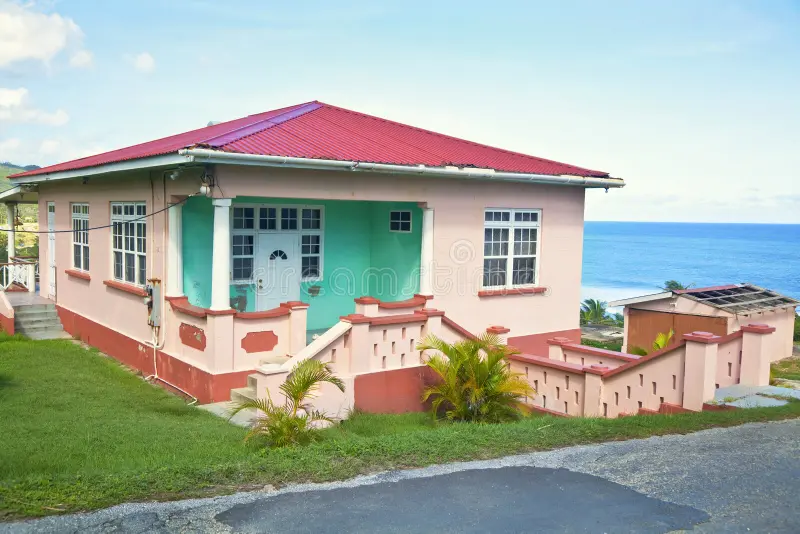
The agreement is intended to bridge critical housing gaps that often arise in the immediate aftermath of hurricanes and other emergencies. Under the arrangement, CDEMA will work with local disaster response agencies to identify displaced persons requiring emergency accommodation, while Airbnb.org will mobilise available homes listed on the Airbnb platform to provide temporary shelter at no cost to affected families.
“Since 2020, we’ve provided 1,500 nights of emergency housing across the Caribbean after disasters, including hurricanes Melissa, Beryl and Fiona. This agreement with CDEMA will allow us to mobilise faster to help provide more people a free place to stay when they need it most,” said Christoph Gorder, Executive Director of Airbnb.org.
“We help meet families’ unique needs by providing homes that offer privacy, dignity, and the practical comforts that make it possible to focus on rebuilding – and at no cost to the guest.”
Airbnb.org, an independent nonprofit founded by Airbnb, funds all emergency stays while using Airbnb’s global platform to connect displaced individuals and families with available accommodation. Properties can include amenities such as kitchens, laundry facilities and pet-friendly spaces to better support those forced from their homes.
CDEMA Executive Director Elizabeth Riley said the partnership enhances the region’s disaster preparedness and response capabilities.
“As we enter the 2026 Hurricane Season, the MOU strengthens our ability to support people affected by disasters through innovative solutions and enhanced regional collaboration. By combining CDEMA’s regional coordination capacity with Airbnb.org’s emergency housing support, we are expanding the resources available to communities when they need them most,” Riley said.
“It also reflects a shared commitment to ensuring that affected populations can access timely assistance and recover more quickly following disasters.”
In a separate initiative, Airbnb has also partnered with CDEMA and the Caribbean Tourism Organization (CTO) to launch a hurricane safety guide designed to help residents, hosts and visitors prepare for, respond to and recover from hurricanes.
The guide provides practical advice on hurricane preparedness before, during and after a storm, along with emergency contact information for several Caribbean territories. Airbnb said the guide will be distributed to hosts throughout the region so they can share it with guests.
“Safety in the Caribbean is a top priority for Airbnb. By collaborating with expert organizations like CDEMA and the CTO, we are ensuring our hosts and guests have access to vital, locally-sourced resources to prepare for and navigate hurricane season,” said Carlos Muñoz, Airbnb’s Director of Public Policy for the Caribbean and Central America.
Founded in 1991, CDEMA is CARICOM’s regional disaster management agency and coordinates emergency response efforts across its 20 participating states. The agency transitioned from the Caribbean Disaster Emergency Response Agency (CDERA) to CDEMA in 2009 as part of a broader comprehensive disaster management strategy.
According to Airbnb.org, the nonprofit has provided more than 1.6 million nights of free emergency accommodation in nearly 140 countries since 2020, including more than 1,500 nights across the Caribbean following hurricanes and other disasters.