The CARICOM Reparations Commission (CRC) will travel to the United Kingdom this week as part of efforts to strengthen international partnerships and advance the movement for reparatory justice.
The delegation will visit the UK from July 13 to 16, 2026, where it will engage in discussions focused on public education, civil society involvement and broader support for the reparations agenda.
Meetings and events will be hosted by the Institute of Commonwealth Studies, School of Advanced Study at the University of London.
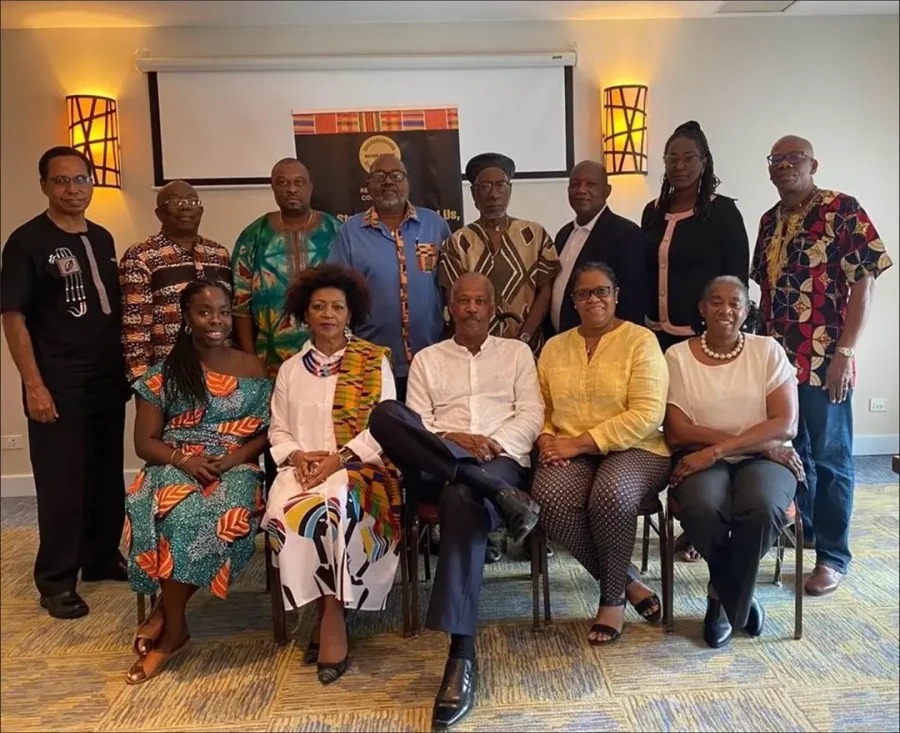
The CRC delegation will be led by Chairman Professor Sir Hilary Beckles and will include Dorbrene O’Marde, Chairman of the Antigua and Barbuda Reparations Support Commission and Vice Chair of the CRC; Eric Phillips, Chairman of the Guyana Reparations Committee and Vice Chair of the CRC; Professor Verene Shepherd, Vice Chair of the CRC and Vice Chair of the United Nations Committee on the Elimination of Racial Discrimination; and Barbados Ambassador to CARICOM David Comissiong.
Dr Ron Daniels, Convenor of the National African Reparations Commission in the United States, will also join the delegation.
The visit comes amid renewed global attention on reparations for the transatlantic slave trade and the legacy of colonialism, as CARICOM countries prepare for the 2026 Commonwealth Heads of Government Meeting (CHOGM) in Antigua and Barbuda and other international engagements.
In March 2026, the United Nations General Assembly adopted a Ghana-led resolution declaring the transatlantic trafficking of enslaved Africans and chattel enslavement the “gravest crime against humanity.”
The development was followed by Ghana’s hosting of the High-Level Consultative Conference on Reparations in Accra in June 2026. The conference brought together governments, international organisations, legal experts and civil society representatives to develop a common framework for advancing reparatory justice worldwide.
The CARICOM Reparations Commission has also finalised and secured approval for the revised “CARICOM Ten Point Plan for Reparatory Justice: A Manifesto for the Coming Enlightenment.”
The updated plan describes reparations as a “global human rights imperative” and outlines the region’s continued push for recognition, accountability and action to address the enduring impacts of slavery and colonialism.
CARICOM Heads of Government have also agreed to several initiatives aimed at advancing the region’s reparations agenda, as the commission continues efforts to build international support for its advocacy.
caribbeannationalweekly