By Mark DaCosta- Amidst rising oil revenues, the dream of affordable housing is slipping away from the hands of many young Guyanese. The A Partnership for National Unity (APNU) coalition held a press conference on Friday, July 10, 2026, addressing a variety of issues challenging our nation. Among these concerns was the alarming state of the housing market and the difficulties faced by aspiring homeowners, particularly among young professionals, teachers, nurses, police officers, and public servants.
The situation in our country is dire. Despite receiving unprecedented oil revenues, thousands of young citizens are confronted with escalating housing costs that seem unmanageable. While the country’s financial landscape is bolstered by oil revenues, the benefits have not trickled down to ordinary citizens, leaving many feeling abandoned in their pursuit of safe and affordable housing. The coalition asserts that “the prospect of securing safe, affordable housing has become little more than an illusion” for the vast majority.
The high cost of living is compounded by a stagnant wage growth, which continues to lag behind the steady increases in housing costs. Rental prices in our major towns have surged, with modest apartments now often listed for monthly rents ranging from US$500 to US$1,000, translating into local currency costs that devour a sizeable portion of a working individual’s salary. Faced with such exorbitant expenses, many young people are left asking how they can save for a mortgage, particularly when they have mounting daily costs to meet.
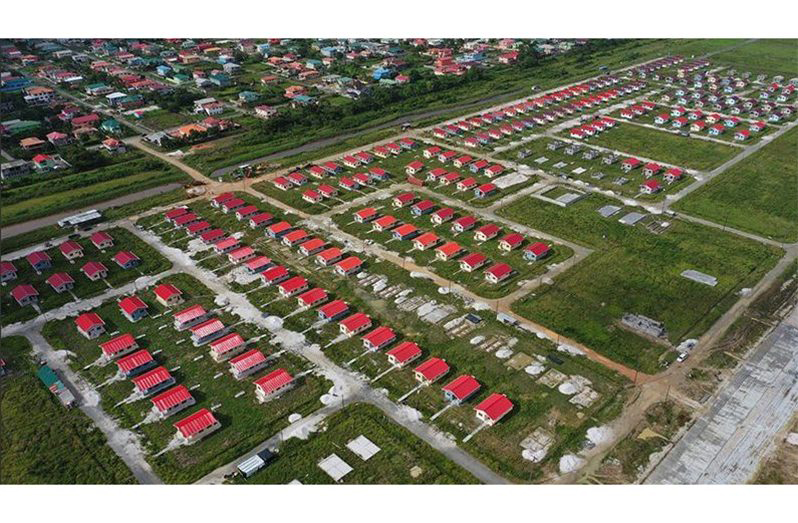
Moreover, the lengthy waiting periods for housing allocations through the Central Housing and Planning Authority (CH&PA) further exacerbate the predicament for many. It is common for applicants to wait many years for a chance to secure a house lot, frequently forcing them into an over-inflated private housing market. “Applicants frequently wait years for the allocation of house lots,” the coalition notes, while the prices have reached a staggering height — between G$5 million to G$15 million or more, before any construction can even begin. The coalition argues this has forced many hardworking citizens into a position where they must navigate an unforgiving market that offers little hope for their future.
The escalating costs of construction materials also pose a significant barrier. Even individuals who manage to purchase land must wrestle with increasing expenses for building supplies and services, which places the dream of home ownership further out of reach. The coalition highlights, “the financial burden does not end once the keys are collected,” as homeowners must also contend with ongoing mortgage repayments and various homeownership costs.
In this context, the coalition condemns the perceived inaction of the current government, pointing out that a responsible administration would take significant measures to ensure housing is not solely governed by market forces, which are evidently pricing citizens out of stable living conditions. They argue there is an urgent need for practical policies that promote affordability, strengthen housing support, and enhance fairness within the rental market. Yet, “the (People’s Progressive Party/Civic) PPP/C Government has failed to act with the urgency this crisis demands,” critics argue.
As frustration mounts, the APNU coalition is calling for the government to align wages and benefits with the economic realities of an oil-producing country. The coalition emphasises that with oil revenues nearing US$1.23 billion in a single quarter, “the resources exist to improve wages, strengthen housing support, and provide meaningful relief.” They challenge the administration to demonstrate that the well-being of ordinary Guyanese is indeed a priority.
These concerns reflect a more significant trend eroding the aspirations of our youth. Young people now find their dreams of home ownership slipping further from their reach, contributing to delays in starting families and marriages. Many who have striven for stability are left disillusioned, noting the increasing distance between their efforts and the elusive goal of owning a home.
The coalition urges the current government to reevaluate its stance and consider comprehensive housing proposals outlined in their 2025 Election Manifesto. These proposals include expedited access to house lots, and rent-to-own opportunities and would serve as practical stepping stones for thousands of families. The APNU is adamant: “Failure to act would be a clear admission that, despite their rhetoric, the well-being of ordinary Guyanese is not a priority.”
As the nation grapples with these critical issues, the APNU coalition continues to advocate for a profound shift in priorities — one that focuses on the plight of the average citizen rather than catering to the interests of a privileged few within the political elite. Addressing the housing crisis remains an essential part of this mission, as it reflects the well-being and future of our nation’s youth.