(Iranintl) – Iran said on Tuesday it had no plan for UN nuclear inspectors to visit sites damaged in US and Israeli strikes, rejecting Vice President JD Vance’s statement that discussions on their return could begin as soon as Monday.
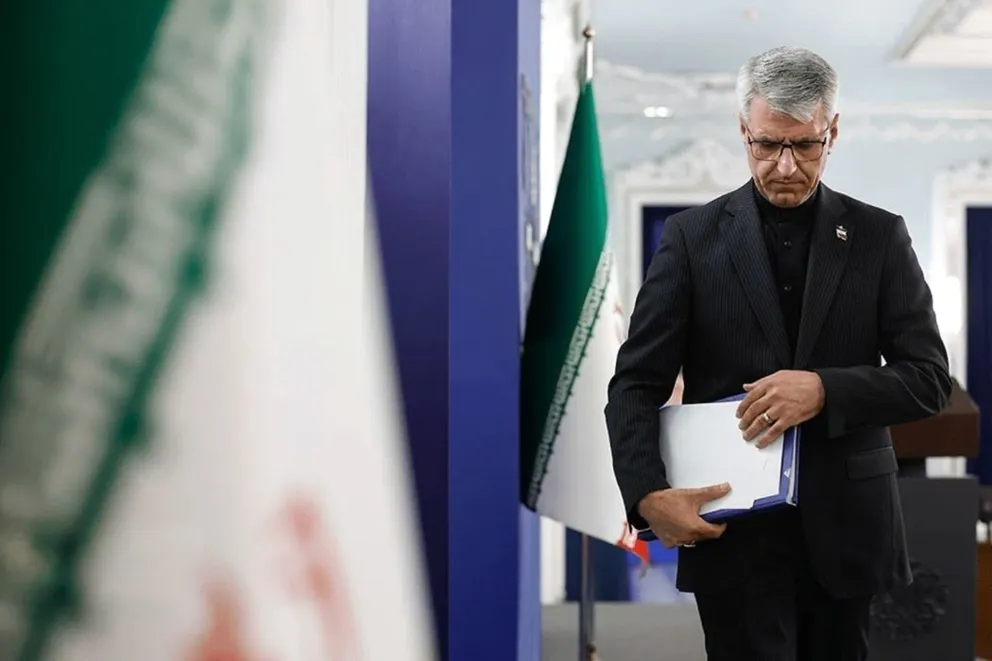
“Neither have we had a meeting with the director general of the IAEA, nor is there a plan for agency inspections of Iran’s damaged nuclear facilities,” Iranian Foreign Ministry spokesperson Esmail Baghai told a news conference.
“There is no protocol for this issue,” he said.
Vance said on Monday that talks in Switzerland between US and Iranian officials had laid a “very good foundation” for a final agreement to end the war.
Asked when International Atomic Energy Agency inspectors could return, he said the process would start “at a minimum this week” and that conversations with the agency “could happen as soon as today.”
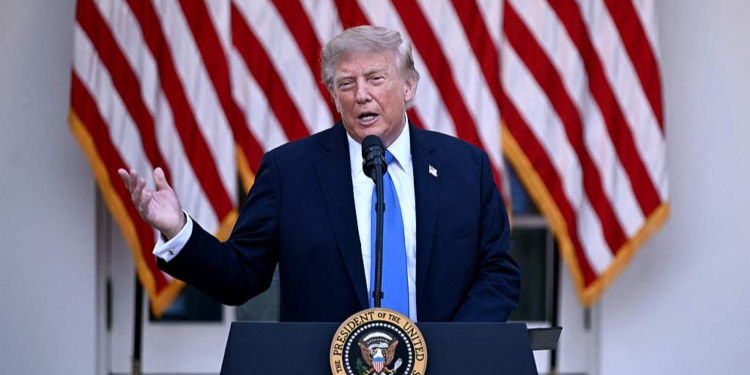
President Donald Trump said on Monday that Iran “will agree to have Major Weapons Inspections.”
Iran suspended IAEA access to sites hit during last summer’s 12-day war. The UN nuclear watchdog later withdrew its remaining inspectors from the country.
Frozen funds and US farm sales
Baghaei also rejected the idea that Iran had agreed to use frozen funds to buy US agricultural goods, after Vance said the issue had come up in the talks.
Vance said the US had asked Qatar to help set up a mechanism to direct the money.
“We could ensure that the money goes where we want it to go,” Vance said. “That will obviously be a big part of the negotiation in the days to come.”
He said the arrangement would help “American farmers” and the people of Iran, but added that the funds would not be released unless Washington saw further progress.
Baghaei said Iran would decide how to use its assets based on national interests and needs.
“Any decision will be made based on the interests and welfare of the country,” he said.
He said Iran’s agriculture ministry and other bodies would decide on purchases based on price and quality.
Missiles outside talks
Baghaei said Iran’s missile and defense capabilities were not part of the negotiations and would not be discussed.
“Iran’s defensive and missile capabilities have absolutely not been part of our talks and will never be a subject of negotiation with any party,” he said.
He said Iran and the US had no direct contact after the four-party meeting in Switzerland stopped, and that messages continued through mediators Qatar and Pakistan.
“After the decision to stop the four-party negotiations, we had no direct contact with the American side,” Baghaei said.
He said the sides had not held detailed talks on nuclear issues in Switzerland.
“Apart from the general presentation of positions by the American side, no detailed discussion on the nuclear issue took place,” he said.
Oil waiver
The US Treasury on Monday issued a 60-day license allowing Iran to produce, sell and deliver crude oil and petrochemicals, with related banking, insurance and transport services.
Baghaei said the oil-sale authorization had taken effect and Iran could use released or previously blocked assets to buy goods it needed.
“What is important for us is access to assets that have been unjustly blocked,” he said.
Treasury Secretary Scott Bessent said the waiver was linked to Iranian commitments to keep the Strait of Hormuz open and allow IAEA inspectors back into the country.
Lebanon mechanism
Baghai said Iran, the US, Qatar, Pakistan and Lebanon had agreed in principle to a mechanism to oversee the ceasefire in Lebanon and prevent further clashes.
“The details of this mechanism require further examination and work,” he said.
Iranian Foreign Minister Abbas Araghchi has said Lebanon would be the first “real test” of the agreement.