The Independent Commission of Investigations (INDECOM) in Jamaica has launched a probe into the fatal police shooting of 45-year-old Latoya Bulgin, also known as “Buju,” in Granville, St James, on Sunday, May 17, 2026, as renewed scrutiny builds over the absence of body-worn cameras and rising police fatal shooting figures.
The woman was reportedly killed during an altercation with police officers who were in the area monitoring a protest that had been staged to highlight the killing of a 17-year-old boy in a separate police shooting incident a week earlier. According to early reports, tensions escalated during the demonstration before the confrontation between the woman and law enforcement, resulting in the shooting.
INDECOM said it was notified and has begun an independent investigation after CCTV footage of the incident circulated widely on social media.
In a statement issued Monday, the commission said citizen-recorded video continues to play a critical role in modern oversight of law enforcement.
“The emergence of video evidence by citizens in matters involving the use of force by law enforcement continues to underscore the importance of technology and independent visual documentation in modern policing oversight,” INDECOM said.
It added that such footage helps investigators assess “the conduct of all parties involved, as well as assessing the necessity and proportionality of the use of force,” while also assisting police leadership in making “timely and informed administrative and operational decisions” following critical incidents.
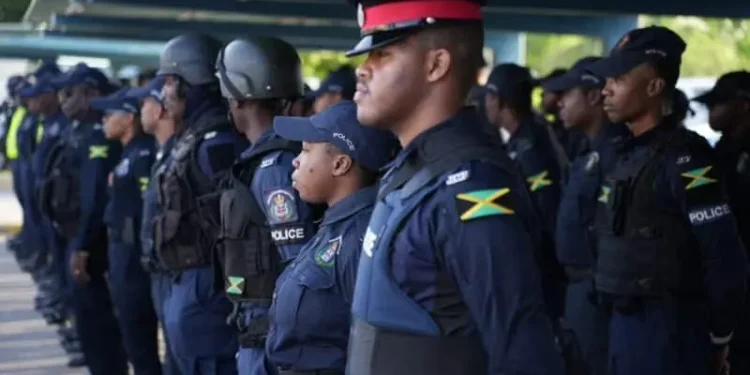
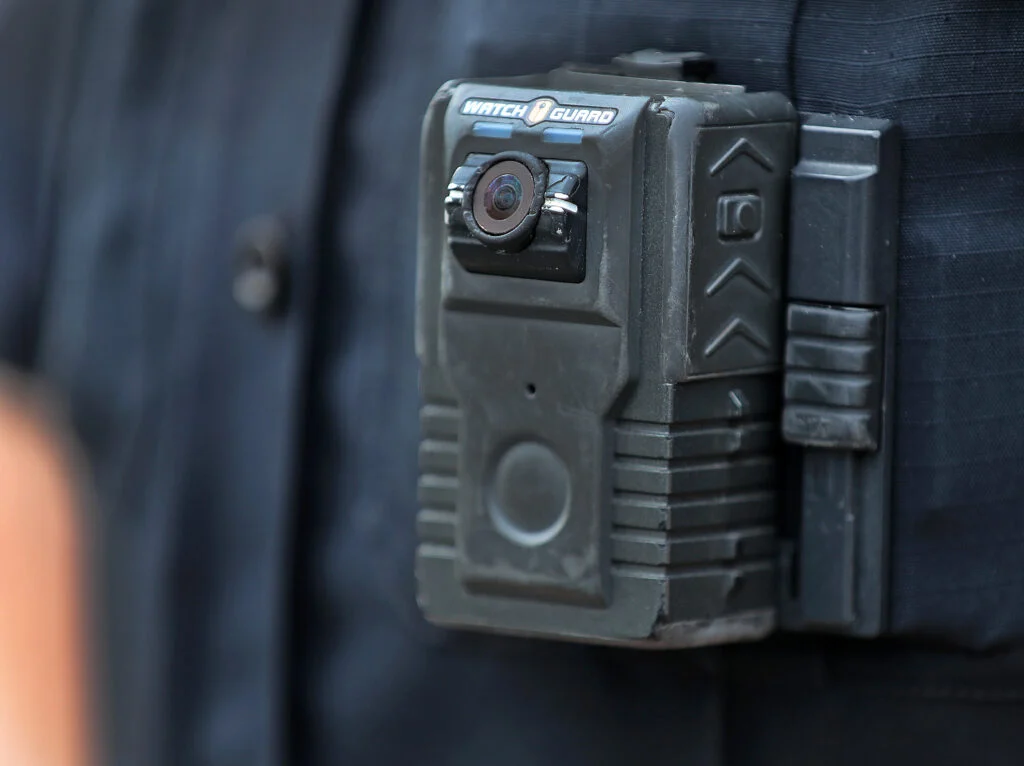
INDECOM confirmed that no body-worn cameras were issued to or worn by the three officers involved, who were reportedly conducting crowd control duties in relation to a protest at the time of the shooting. The commission has urged witnesses, including occupants of the vehicle driven by Bulgin, to come forward with information and additional footage to support the investigation.
The shooting has also drawn political reaction. Member of Parliament for St James West Central Marlene Malahoo Forte said officers should face immediate consequences based on initial observations at the scene, while cautioning that due process must be followed.
“I think this one doesn’t look so good,” she told Gleaner reporters. “Can’t prejudge it, but it doesn’t look good.”
The case has also reignited debate over body-worn cameras, particularly after recent comments from National Security Minister Dr. Horace Chang questioning their effectiveness in armed encounters.
Chang has previously said, “It (a body-worn camera) is of very little value,” arguing that in gunfights officers are focused on survival rather than recording footage.
He added, “You put a camera on your chest, you start shooting at somebody, they start shooting at you, you going to dive for cover,” and described expectations for cameras in high-intensity operations as “a crazy idea” when confronting heavily armed suspects.
Chang has maintained that body cameras are more useful in lower-risk policing scenarios such as public order situations and routine enforcement activities.
However, oversight bodies and human rights advocates have consistently pushed back, arguing that body-worn cameras remain essential for accountability even in high-risk operations.
INDECOM itself has repeatedly emphasized the value of video evidence, particularly in reconstructing the sequence of events in fatal police encounters.
The latest incident comes against the backdrop of persistently high levels of lethal force by the security forces.
INDECOM reported that Bulgin’s death brings the total number of fatal shootings in May 2026 to 15 people killed by the security forces, including a double fatal shooting in Hague, Trelawny, on May 16. Year-to-date, 130 people have been fatally shot by the security forces, compared with 129 during the same period in 2025.
The commission also confirmed that no body-worn cameras were issued to or worn by the officers involved in the Granville incident.
caribbeannationalweekly.com