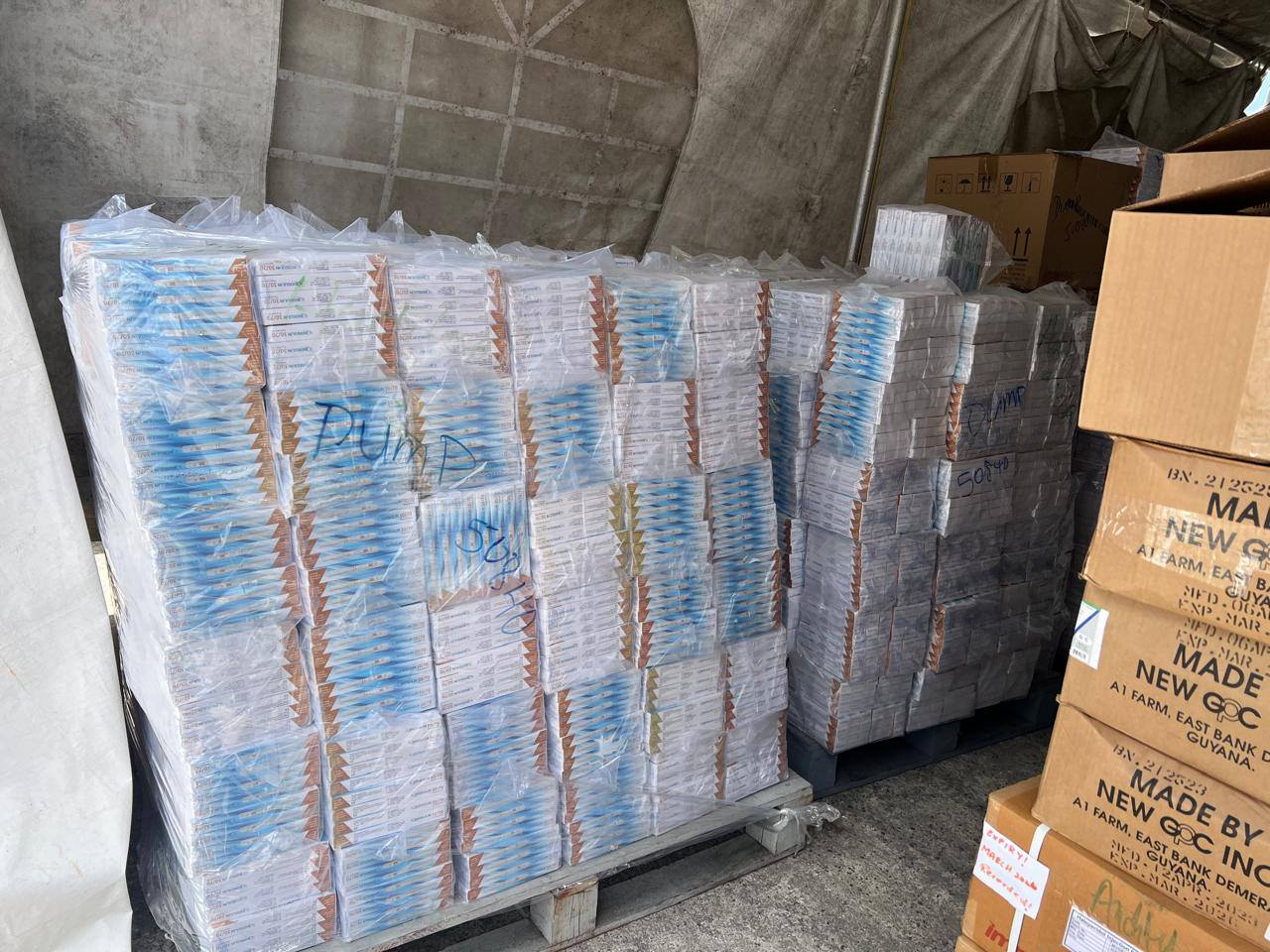
By Mark DaCosta- In a shocking revelation, the We Invest in Nationhood (WIN) party has uncovered a scandal involving over $15 million worth of expired insulin that was carelessly discarded. This alarming situation raises serious questions about procurement negligence and the management of our public health system, particularly in light of frequent claims that essential medications are in short supply. The announcement, made recently, highlights an egregious waste of life-saving drugs at a time when so many in our nation are struggling to access critical medical supplies.
According to reports, the stockpile of insulin was stored improperly and left to expire in an unregulated environment. What has surfaced is an undeniable tale of mismanagement, as it seems that the wrong type of insulin—Saline 70/30—was procured instead of the essential Novolin 70/30. Consequently, what should have been a vital resource for many has been rendered useless. Insulin, which is fundamental for managing diabetes, particularly Type 1, requires stringent storage conditions to maintain its efficacy. Given that insulin must be kept refrigerated or below certain temperatures even when open, leaving it exposed to the heat and elements under a makeshift tent shows a disturbing disregard for patient welfare.
The level of negligence displayed in this situation is not only an astonishing waste of government resources but also an affront to the citizens whose health is compromised by such actions. As the medications languished in unsuitable conditions, they went unused, leading to their inevitable expiration. Added to this alarming oversight is the reported effort to conceal the dumping of these drugs, as officials attempted to shield the site from public view, an act suggesting an awareness of the potential backlash from the community.
This incident cannot be seen in isolation. It reflects ongoing systemic issues within the Ministry of Health, where leadership must be held accountable. Dr. Frank Anthony, the incumbent Minister, is urged to clarify the failure to distribute these necessary medications before their expiration and to explain the rationale behind the poor storage practices observed. Many citizens have long suffered from the consequences of inadequate drug supplies in the public health system, and this incident only exacerbates the distrust that has been building within the community. It raises questions about the governance of health services in our nation.
The broader implications of this irresponsibility stretch far beyond financial waste; they pose serious health risks to countless individuals. Insulin is not merely another pharmaceutical product; it is a lifeline for millions globally and especially for those in our country living with diabetes. The risk of complications arising from inadequate insulin access includes serious health issues such as diabetic ketoacidosis and nerve damage, all of which can be avoided through proper management and access to medication.
Moreover, the economic impact is significant. The cost of insulin remains a burden for many, especially those without insurance coverage. With vials ranging dramatically in price and affordability being a core concern, ensuring the availability of insulin is critical for the well-being of our citizens. The recent scandal exemplifies a failure to protect our citizens’ health while also highlighting the urgent need for systemic reform within the procurement processes of medications.
Our nation deserves a transparent and accountable health system, one that prioritises the welfare of its citizens over waste and negligence. The time has come for the administration to answer for its actions and implement changes that will prevent such disgraceful incidents from reoccurring. The public health of our citizens should be paramount, and any oversight or mismanagement of resources can no longer be tolerated.