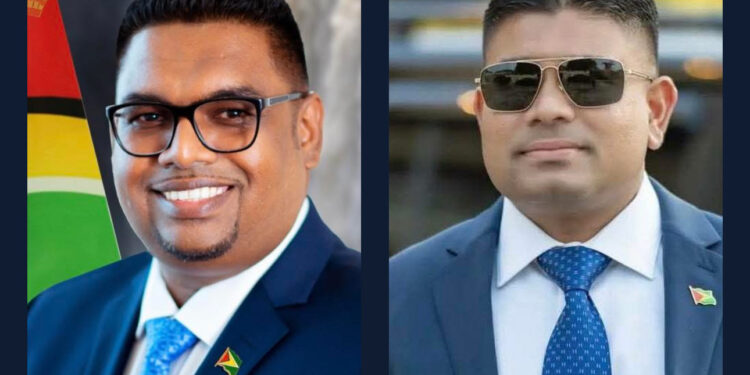
By Mark DaCotsa- On May 12, 2026, the A Partnership for National Unity (APNU) publicly addressed the recent defection of several of its former candidates and members to the ruling People’s Progressive Party (PPP).
The recent resignations come as no surprise to keen observers of our political arena. Many of the individuals who crossed over to the PPP have long signalled their shift through their actions and statements, indicating a growing disenchantment with the APNU and a desire for a change in political allegiance. The APNU statement highlighted that democracy allows individuals to choose their political paths, but it called into question the motives of these defectors, suggesting that their continued occupation of council seats — secured through the support of APNU voters — was now untenable. The party demanded their immediate resignations to reaffirm a commitment to accountability and integrity in representation.
Among those who have chosen to abandon the APNU are former Members of Parliament Rickly Ramsaroop, Shurwayne Holder, and Dinesh Jaiprashad, along with current Regional Councillors Ravoldo Birbal, Sheik Yaseen, Prince Holder, and Gangadai Lloyd. Their decision has fuelled further speculation about the impact of infighting and dissatisfaction within APNU ranks. Recent comments from PNCR leader Aubrey Norton, who is the major part of the APNU coalition, stressed the inevitability of such defections, reflecting a deeper malaise in the party and signalling a worrying trend that has seen many former allies swayed by the promises of the PPP.
The group met with PPP General Secretary Mr. Bharrat Jagdeo, ostensibly at their own request, to discuss their new roles within the party and to explore ways they could contribute to the administration’s ongoing vision for our country’s development. This meeting was framed as a gesture of inclusivity by the PPP, showcasing their ability to attract individuals disillusioned by their previous affiliations. However, the notion that the PPP represents a new beginning for these defectors raises questions about their previous commitments to the APNU and its supporters. Many critics of the PPP have pointed to a culture of opportunism.
The defectors praised the PPP’s management of the economy, the inclusive governance approach, and the notable transformations occurring across various sectors — statements that seem to directly contradict the foundational principles that drove their initial political ambitions as members of the APNU. It appears that the current political environment has shifted so dramatically that a rebranding under the auspices of the PPP has become an appealing option for ambitious politicians seeking advancement in a rapidly evolving landscape.
Norton’s rebuttals to enquiries about the defections underscored his awareness of the challenges that come with prolonged opposition. By likening his party’s situation to past experiences of the PPP, he acknowledged the difficulties faced by parties outside of government.
Moreover, the fallout from these defections is a testament to the division within the APNU and highlights the broader implications for our country. With each departure, the credibility of the opposition dims, leaving essential issues unaddressed while strengthening the ruling party’s foothold. The PPP has adeptly painted itself as the party of progress, appealing to former APNU members disillusioned by a lack of parliamentary representation and more substantial benefits from remaining within the opposition ranks. The growing list of APNU defectors suggests an unsettling trend for the party.
As the political scene in our nation continues to evolve, the long-term ramifications of these movements remain to be seen.