A draft accident investigation report into the December 2023 crash of a Bell 412EPi operated by the Guyana Defence Force has found that the pilots flying the aircraft did not hold valid instrument ratings required to operate in low-visibility conditions, raising fresh questions about aviation safety, oversight, and accountability.
The report, prepared by the Aircraft Accident Investigation Department of the Guyana Civil Aviation Authority, has not yet been officially released by the Government of Guyana or the agencies responsible for the probe. Its findings, however, offer the clearest picture yet of the circumstances surrounding one of the country’s deadliest military aviation tragedies.
The crash occurred on December 5, 2023, when the Bell 412 helicopter went down in dense jungle between Arau and Ekereku in Region Seven during a military resupply mission.
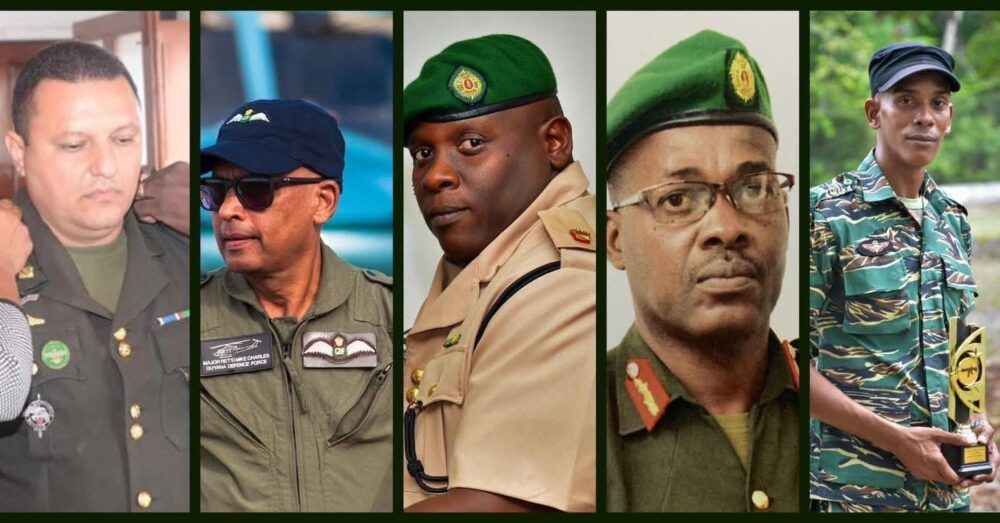
Five of the seven persons on board died in the crash: pilot-in-command Lieutenant Colonel Michael Charles, Colonel Michael Shahoud, Lieutenant Colonel Sean Welcome, Staff Sergeant Jason Khan, and retired Brigadier Gary Beaton. The two survivors were co-pilot Lieutenant Andio Michael Crawford and Corporal Dwayne Johnson.
According to the draft report, both Charles and Crawford were trained and type-rated on the Bell 412 and held valid pilot and medical licences at the time of the accident. However, investigators found that neither pilot held a valid instrument rating for the Bell 412 or any other aircraft type.
The report notes that Charles’ instrument rating had expired in 1998, meaning he had gone more than 25 years without that certification.
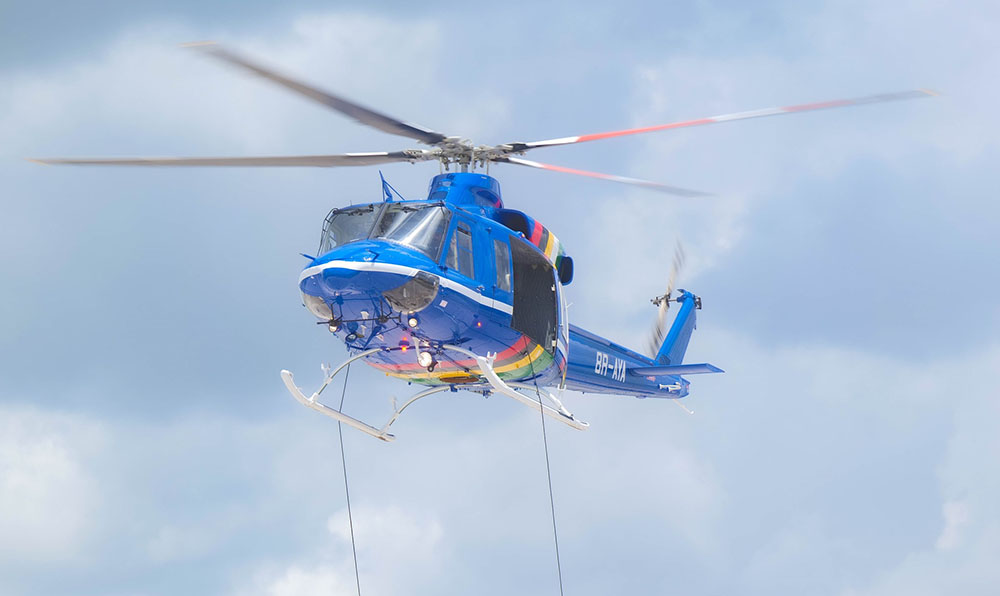
The Guyana Defence Force (GDF) Bell 412 helicopter involved in the crash
Investigators said the lack of instrument qualifications may have left the crew unprepared when the helicopter encountered what is known in aviation as inadvertent instrument meteorological conditions (IIMC)—a dangerous situation in which a pilot operating under visual flight rules suddenly enters cloud cover or poor visibility and must rely solely on instruments.
The aircraft departed Base Camp Ayanganna in Georgetown on an unscheduled military logistics mission carrying personnel and supplies. After stopping to refuel at Olive Creek, the helicopter continued west toward Arau.
Approximately 25 minutes after leaving Olive Creek, investigators said the aircraft transitioned from visual flight conditions into low cloud cover over mountainous terrain. The weather reportedly worsened rapidly as the helicopter entered dense, opaque cloud.
The aircraft subsequently struck trees approximately 38 nautical miles northwest of Olive Creek, crashed to the ground, and caught fire.
Despite the concerns surrounding pilot certification, investigators found no indication that mechanical failure caused the crash.
According to the report, the helicopter’s engines, rotors, electrical systems, and avionics were operating normally up to the point of impact, with the exception of its weather radar, which was reportedly defective.
Flight data analysis also found stable engine and rotor performance throughout the flight, with no evidence of abnormal power loss or system malfunction. However, investigators noted that both autopilot systems disengaged about one minute before the recording ended, though it remains unclear whether that was triggered by pilot input or a technical issue.
The report also identified cockpit management as a possible contributing factor.
Investigators highlighted what they described as a “steep cockpit gradient” between the captain and co-pilot, pointing to the significant gap in rank and experience between the two men. Such disparities, the report said, can affect communication and decision-making during emergencies.
The draft report further raised concerns about regulatory oversight.
Investigators found that although the Bell 412 was being used for military and state operations, it was not listed on the GDF’s Air Operator Certificate because it was classified under a private operational category. This meant it was not subject to some of the operating restrictions and procedures that apply under commercial aviation rules.
The report also found that the GCAA did not have a current flight operations inspector qualified on the Bell 412 platform at the time of the crash, limiting the regulator’s ability to effectively oversee operations involving the aircraft.
Investigators were unable to determine whether the helicopter was overloaded, as the exact cargo manifest was not available. The aircraft had reportedly been carrying military personnel along with provisions including rice, sugar, salt, flour, and other unspecified cargo.
Rescue efforts were delayed by difficult terrain and poor weather.
Although the helicopter’s emergency locator transmitter activated at approximately 11:19 a.m., rescue teams were unable to extract the survivors until two days later due to the mountainous terrain, dense forest, and heavy cloud cover in the area.
Investigators themselves were unable to visit the crash site because of safety concerns and relied on available remote evidence and flight data.
The Bell 412 crash shocked the nation and sparked widespread calls for a full and transparent investigation into military aviation safety practices.
Beyond the technical findings, the draft report underscores the broader importance of accountability and transparency in public institutions. The findings are a reminder that when critical information is delayed or withheld, accountability is weakened, and without accountability there can be no meaningful improvement in systems meant to protect lives.
The public and taxpayers have a right to know the full circumstances surrounding the tragedy—not only because public funds were used to procure and maintain the aircraft, but because five lives were lost in service to the nation.
Under international aviation standards established by the International Civil Aviation Organization, accident investigations are designed not to assign blame, but to identify failures, improve safety standards, and prevent future tragedies.
For many, the eventual publication of the final report will be about more than aviation safety recommendations. It will also be a test of transparency, accountability, and whether the lessons from the tragedy lead to real institutional reform.