

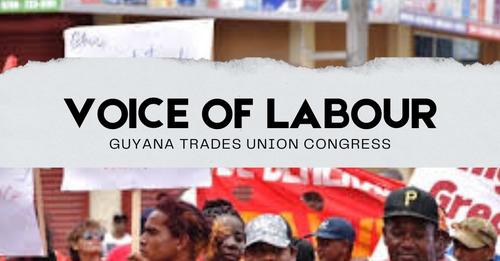
By Mark DaCosta- On the recent observance of Republic Day on February 23, the Guyana Trades Union Congress (GTUC) highlighted an essential truth: the foundation of our Republic rests firmly on the labour and sacrifices of the working class. This assertion resonates deeply within the historical narrative of our nation, a narrative forged through struggles for rights and dignity against oppression. As citizens reflect on fifty-six years of independence, it is imperative to remember that the journey towards national sovereignty and democracy has been primarily driven by the resolute spirit of workers.
In his statement released for this anniversary, GTUC underscored the critical role of workers in shaping our nation. He poignantly stated, “the builders of this nation, the guardians of its democracy,” implying that our progress cannot be attributed solely to political elites. Instead, it is the collective efforts of regular citizens, often overlooked by those in power, that have been pivotal in our historical evolution. By invoking the legacy of Cuffy and his comrades, who bravely opposed the brutalities of slavery in 1763, the Congress reaffirms that our Republic’s principles of freedom and dignity were hard-won through the sacrifices of those who sought liberation from oppression.
The memories of those early uprisings remain relevant today and serve as a reminder that not all victories are granted; many are achieved through struggle and solidarity. The GTUC’s historical reflection reminds us that the organised labour movements that began in 1905 were born out of necessity as workers banded together to confront their dire working conditions. GTUC pointed out that workers’ “courage to stand together transformed individual grievances into a powerful collective voice,” exemplifying the belief that unity among workers can lead to substantial change. This transformation laid the groundwork for the trade union movement we see today, which continues to advocate for social justice and workers’ rights.
As the labour movement gained momentum, it became clear that political representation was intertwined with economic justice. By 1926, workers had recognised the critical need for “one man, one vote,” demonstrating that an inclusive democracy is essential for the protection of workers’ rights. The push for universal suffrage was not merely an aspiration but a fundamental demand for the empowerment of the working class, ensuring their involvement in shaping the future of our nation. The GTUC’s narrative highlights how the fight for political power was, and continues to be, a necessary complement to the struggle for economic fairness.
Despite the significant strides made towards independence in 1966 and achieving Republic status four years later, Lewis poignantly expressed that a lot of “unfinished business” remains. The realities that many workers face today — unsafe working environments, unjust wages, and economic policies that seem to favour a wealthy few — stand in stark contrast to the promises of our Republic. The GTUC calls for a renewal of our commitment to the principles of freedom, justice, and equitable participation in decision-making processes.
GTUC’s assertion that “the right to vote, the right to organise, and the right to influence national policy are sacred gains secured through struggle” serves as a clarion call for contemporary society to uphold and defend these rights vigorously. The ongoing marginalisation of workers and the widening economic divide present a critical challenge to the Republic’s ethos. It is vital that workers’ voices are not just heard but actively incorporated into governance, steering the national agenda toward a more inclusive and equitable future.
While celebratory sentiments are natural as we reflect on our Republic’s milestones, there is an urgent need for accountability. The GTUC suggests that true honouring of our heroes, like Cuffy, entails ensuring that national development is centred around the needs of the people. Lewis articulated this stance firmly, declaring, “A Republic that honours its heroes must ensure that development is people-centred, labour rights are protected, and the fruits of progress are shared by all.” This perspective challenges current leadership, which has often prioritised short-term gains over the long-term welfare of its citizens.
As discussions around Republic Day unfold, it is essential for workers across our nation to embrace solidarity. Lewis urges a reinvigoration of collective resolve to fight for workers’ rights and uphold standards that ensure accountability in governance. Every advancement of freedom—from the struggles of the past to today—demands commitment to unity and resilience against forces that divide.
In honouring Cuffy and the legacy of fighters for emancipation and democracy, the GTUC remains steadfast in its pledge “to continue the struggle for a Guyana where the dignity of labour is sacred.” The modern Republic must not simply be a structure of governance but a reflection of the people’s will—where social justice is integral, and every family can experience the fruits of their labour. The declaration of long live worker solidarity resonates loudly as a reminder of our shared history and the collective responsibility to build a future that reflects the hopes and dreams of all citizens.





