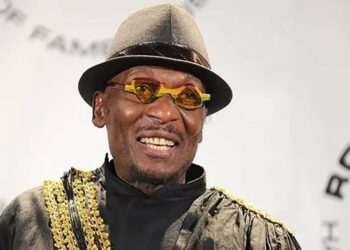
Prominent Guyanese political figure and activist Eusi Kwayana has announced that he is consulting a constitutional lawyer to take legal action regarding delays in administering the oath of office to Guyana’s designated Leader of the Opposition. In a letter published in Village Voice News, Kwayana highlighted that since the September 1, 2025 general elections, the duly elected opposition leader has not been recognised or empowered, more than three months after results were officially declared on September 7.
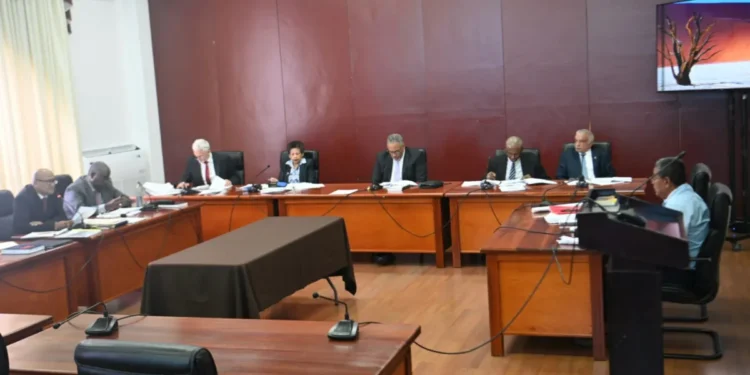
The issue forms part of a broader constitutional concern. Since the 13th Parliament convened on November 3, 2025, Guyana has faced its longest-ever wait for the election of a Leader of the Opposition. Under Article 184(1) of the Constitution, the Leader of the Opposition must be elected by and from among non-government Members of Parliament at a meeting presided over by the Speaker of the National Assembly. However, Speaker Manzoor Nadir has not yet convened the required meeting, prompting legal threats from the We Invest in Nationhood (WIN) party and criticism from other opposition figures who say the absence of an opposition leader undermines parliamentary oversight and weakens democratic checks and balances.
Kwayana, a centenarian, described the delay as “one of the many constitutional lapses imposed by one party on Guyanese in general and on the entire nation, including the ruling party.” He added that “action against the designated leader of the opposition has been taken by a foreign government acting within its perceived rights. This action is no excuse and cannot be an excuse for depriving Guyanese of their entitlement to participate in government.”
He indicated that, based on legal advice, he is prepared to approach the High Court for a constitutional declaration regarding Guyana’s status as a parliamentary democracy, requesting a roadmap and order for constitutional office holders to remedy the situation. Kwayana also noted that the Chief Elections Officer has yet to submit a legally required report on the conduct of the elections, as mandated under the Representation of the People Act.
This report, which is traditionally compiled after every election, is meant to provide a comprehensive account of electoral procedures, challenges encountered, and recommendations for improving the integrity and transparency of future polls. Historically, these reports have served as an essential source of official information, guiding policy, reforms, and public accountability.
The absence of the report has raised concerns among political analysts and civil society groups, including Opposition-nominated GECOM Commissioner Vincent Alexander, who warned that the delay undermines transparency and accountability, leaving critical gaps in electoral oversight and fueling public uncertainty about the conduct and fairness of the elections.
Explaining his motivations, Kwayana said: “It is my view that in the face of allegations of corrupt dealings affecting the health of the state, Guyanese should be foremost in seeking to restore accountability and the constitutional order.” His statement signals a potentially landmark legal challenge aimed at reinforcing constitutional governance in Guyana.
Azruddin Mohamed of the We Invest in Nationhood (WIN) party, which holds 16 seats in the National Assembly, is widely regarded as the presumptive Leader of the Opposition. However, he is yet to be elected, leaving a key constitutional role in limbo. The delay has raised concerns about the functioning of parliamentary democracy and adherence to constitutional norms.