It’s tempting to make ambitious health resolutions when the new year rolls around, but those sweeping goals can be hard to achieve and even harder to maintain. Instead, micro-resolutions—like these tiny, repeatable daily habits—can do more to improve your overall health and wellness all year long.
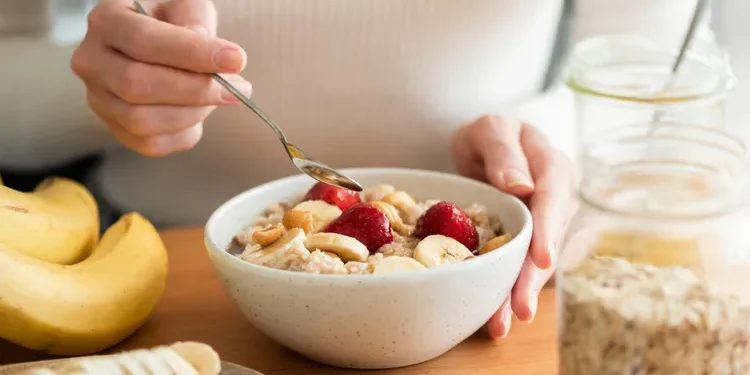
1. Load Up on Protein at Breakfast
Starting your day by loading up on protein can have great total-body benefits. Protein is important for many essential biological activities, including immune system and hormone function, bone density health, and blood sugar regulation.
Research suggests consuming protein at the start of your day can specifically improve heart health, blood pressure, and cholesterol levels while also bolstering muscle protein synthesis, which helps maintain lean body mass, said Jason Machowsky, RD, CEP, a sports dietitian and clinical exercise physiologist.12
He recommends options like eggs, Greek yogurt, cottage cheese, or tofu for breakfast options, with the goal of hitting 20 to 30 grams of protein.
2. Go for a 10-Minute Walk After Meals
After eating or drinking, blood sugar levels naturally rise—but if your blood sugar spikes too high too often, it can cause serious health issues, affecting your kidneys, eyes, and even heart function.
Taking a 10-minute walk immediately after a meal is a great way to manage and avoid blood sugar spikes, according to a 2025 study in Nature. “This movement allows your muscles to absorb glucose directly from the bloodstream, which also aids in blood pressure control and can improve mood,” said Machowsky.3
To reap the most benefits, it’s best to take that walk—which can be low to moderate intensity—within 30 minutes of eating.
3. Practice Belly Breathing
Diaphragmatic breathing—sometimes called “belly breathing”—is a type of breath work that involves taking deep, slow breaths that use your diaphragm and whole abdomen, not just your chest. Diaphragmatic breathing helps reduce blood pressure and heart rate, increase the amount of oxygen in the blood, and rid your lungs of gas waste.
“Slow, deep breathing also activates the body’s relaxation response by engaging the parasympathetic nervous system and supporting the brain-gut connection,” said Selena Snow, PhD, psychologist, and founder and director of The Snow Psychology Group. “As a result, diaphragmatic breathing can help promote feelings of calm, improve mood, and reduce pain and discomfort.”
A 2025 study on young adults found that diaphragmatic breathing immediately improved mobility and pulmonary function.
4. Take a 5-Minute Movement ‘Snack’ Every Hour
Regular physical activity can help reduce the risk of at least 20 chronic diseases and conditions, yet less than half of adults meet the Physical Activity Guidelines for aerobic activity (150 minutes of moderate-intensity activity per week, or 75 minutes of vigorous-intensity activity).67 Still, roughly 25 percent of people want to “exercise more” in 2026, per a recent YouGov poll, but one of the biggest reasons people don’t reach exercise goals is a result of perceived lack of time or motivation.
To remedy this, research suggests five minutes of movement or stretching—intentional short bursts of activity—for every 30 to 60 minutes spent sitting can be a great way to get moving and improve metabolic and cardiovascular health.8 “Prolonged sitting is considered a health hazard, increasing the risk of conditions like cardiovascular disease, diabetes, obesity, and high blood pressure,” said Machowsky.
These exercise snacks don’t have to entail cardio-intensive activities. Instead, take a loop around your office, or visit the kitchen to refill your water glass. You could walk up and down the stairs, do a few squats, calf raises, or lunges at your desk, suggest a walking meeting with co-workers, or even just stand and stretch to increase blood flow and mobility. Setting an alarm or reminder on your phone can keep you accountable, said Machowsky.
5. Eat Your Veggies First
According to the same YouGov poll, 22 percent of people plan to “eat healthier” in 2026. You can make that amorphous, open-ended resolution much more actionable by taking a specific approach to that “healthy eating” goal at mealtimes that involves loading up on leafy greens first.
“Prioritize eating your vegetables first at every meal to ensure you get essential nutrients before consuming other foods,” Machowsky said. This also reduces your likelihood of overeating, he added, as vegetables tend to be fibrous and fluid-rich, making you feel fuller more quickly.
In one 2023 study, younger women who ate vegetables first experienced a “significant reducing effect” on blood glucose levels and insulin after eating a meal. Frequent blood sugar spikes after meals can increase your risk for heart disease, diabetes, and overall inflammation.10
6. Learn to Ground Yourself When You’re Stressed
“Our thoughts often drift to regrets about the past or anxiety about the future, which can negatively affect mood and cause increased sympathetic nervous system arousal,” said Snow. Frequent stress affects every system in your body, resulting in negative health outcomes that range in severity from muscle tension to heart stress and inflammation.
One great way to combat this sympathetic nervous system arousal and improve your overall well-being is by practicing the 5-4-3-2-1 grounding exercise, said Snow, which helps center you in the present moment by focusing your attention on your five senses.
“Notice five things you can see, four things you can touch, three things you can hear, two things you can smell, and one thing you can taste,” said Snow. “Take a moment to fully register each sensation and allow yourself to be fully present.”
Source: Health