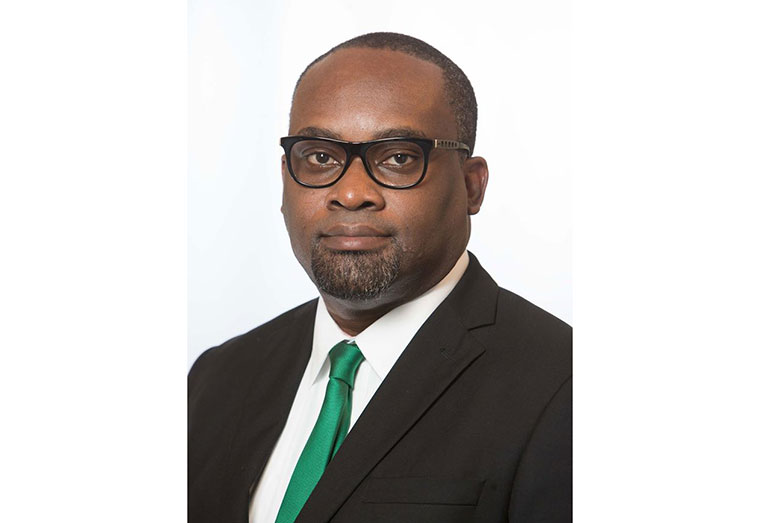
By Roysdale Forde S.C- Guyana stands at a historic crossroads. Oil wealth is flowing, international investors are circling, and the eyes of the world are upon us. Yet, in the midst of this defining moment, a disquieting silence has descended over State House and Freedom House alike. Vice President Bharrat Jagdeo, seen as a powerful figure has not been seen or heard from publicly in weeks. No official engagements, no statements. Only rumours, half-truths, and growing unease.
This is not a trivial matter of personal privacy. The Vice President is a public trustee occupying the third highest office in the Republic. His signature is on multi-billion-dollar oil contracts. His voice shapes economic policy. His hand steers the Low Carbon Development Strategy that will determine whether Guyana’s new wealth becomes a blessing or a curse. From the rice fields of Region Two to the boardrooms of Georgetown, his decisions touch every Guyanese life. When such a figure is not in public view without explanation, the nation has every right to demand clarity.
Transparency is the oxygen of democracy. As Mahatma Gandhi reminded us, “Silence becomes cowardice when occasion demands speaking out the whole truth and acting accordingly.” Likewise, Dr. Martin Luther King Jr. warned, “Our lives begin to end the day we become silent about things that matter.” The whereabouts and condition of the Vice President matter profoundly, for they bear directly on the continuity and credibility of governance.
Several scenarios now circulate in the absence of official communication. The most charitable is that Mr. Jagdeo is contending with a health challenge. Recent photographs showed a visibly thinner, paler figure – hardly the person Guyanese are accustomed to seeing. If illness is the cause, it is a human reality that deserves transparency, not concealment. Mature democracies routinely inform citizens when leaders undergo medical treatment. Withholding such information only fuels darker speculation.
Another possibility is a deliberate retreat – perhaps to reflect, to regroup, or to manage internal party tensions. As General Secretary of the PPP and the administration’s most cunning political operator, Mr. Jagdeo has faced relentless scrutiny over land transactions, environmental policy, and governance style. A pause might be understandable, but secrecy turns it into suspicion of evasion or fracture within the ruling circle.
Some whisper of undisclosed foreign travel – quiet diplomacy on oil deals or climate finance. If true, such cloak-and-dagger conduct is indefensible. Citizens who bear the risks and reap the rewards of these agreements deserve to know when their leaders are representing them abroad.
More troubling theories cannot be dismissed: political manoeuvring to sideline a powerful figure, or genuine security concerns linked to the Essequibo controversy and regional tensions. Each scenario, however plausible or fanciful, thrives only because official silence has created a vacuum.
If all is well – if the Vice President is simply on approved leave or attending to personal matters – then the remedy is simple and immediate. Let President Ali address the nation, or better yet, let Mr. Jagdeo himself appear. One press conference, one verified photograph, one unambiguous statement would extinguish the speculation that now corrodes public trust.
The Guyanese people are not asking for gossip. They are demanding the basic accountability owed to citizens in a sovereign republic. In an oil-boom era shadowed by corruption scandals and historic inequalities, trust in leadership is not a luxury; it is the foundation of national stability. When government withholds basic information about the status of its second-highest official, it risks alienating even its own supporters who have long looked to Mr. Jagdeo as the PPP’s most formidable campaigner and strategist.
This episode lays bare a deeper truth: power that fears transparency soon breeds mistrust. Guyana cannot afford such fragility as we navigate the treacherous waters of petro-wealth and geopolitical rivalry. The administration must choose: continue the silence and feed the suspicion, or speak plainly and restore confidence.
If Vice President Jagdeo is well, let him show himself. If he faces challenges, let them be shared with the dignity and candour the Guyanese people deserve. Anything less is an insult to the resilience and intelligence of a nation that has earned the right to know the truth about those who govern in its name.
The clock is ticking. The people are watching. And history will judge whether this moment of uncertainty became a fleeting anomaly – or the beginning of a dangerous precedent.