Tuesday, September 1, 2026
Village Voice News
ADVERTISEMENT
  • Home
  • News
  • Sports
  • Editorial
  • Letters
  • Global
  • Columns
    • Eye On Guyana
    • Hindsight
    • Lincoln Lewis Speaks
    • Future Notes
    • Blackout
    • From The Desk of Roysdale Forde SC
    • Diplomatic Speak
    • Mark’s Take
    • In the village
    • Mind Your Business
    • Bad & Bold
    • The Voice of Labour
    • The Herbal Section
    • Politics 101 with Dr. David Hinds
    • Talking Dollars & Making Sense
    • Book Review 
  • Education & Technology
  • E-Paper
  • Contact Us
No Result
View All Result
  • Home
  • News
  • Sports
  • Editorial
  • Letters
  • Global
  • Columns
    • Eye On Guyana
    • Hindsight
    • Lincoln Lewis Speaks
    • Future Notes
    • Blackout
    • From The Desk of Roysdale Forde SC
    • Diplomatic Speak
    • Mark’s Take
    • In the village
    • Mind Your Business
    • Bad & Bold
    • The Voice of Labour
    • The Herbal Section
    • Politics 101 with Dr. David Hinds
    • Talking Dollars & Making Sense
    • Book Review 
  • Education & Technology
  • E-Paper
  • Contact Us
No Result
View All Result
Village Voice News
No Result
View All Result
Home Feature

The Carib People

The Carib People

Admin by Admin
September 7, 2022
in Feature
0
SHARES
0
VIEWS
Share on FacebookShare on Twitter

Caribs (Anbanet Photo)

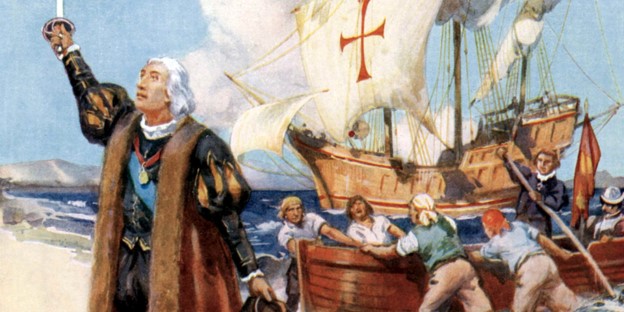
Carib, American Indian people who inhabited the Lesser Antilles and parts of the neighbouring South American coast at the time of the Spanish conquest. Their name was given to the Caribbean Sea, and its Arawakan equivalent is the origin of the English word cannibal. Today the term Cariban is used to designate a linguistic group that includes not only the language of the Antillean Carib but also many related Indian languages spoken in South America.

READ ALSO

Kojo McPherson: The Enslaved African Who Bought Plantations and Built a Legacy

When Freedom Bought the Land: How Freed Africans Built Their Own Villages in Berbice

The Island Carib, who were warlike (and allegedly cannibalistic), were immigrants from the mainland who, after driving the Arawak from the Lesser Antilles, were expanding when the Spanish arrived. Peculiarly, the Carib language was spoken only by the men; women spoke Arawak. Raids upon other peoples provided women who were kept as slave-wives; the male captives were tortured and killed.

The Island Carib were a maritime people, expert navigators who made distant raids in large dugout canoes. Warfare was their major interest. Internal conflicts were common; there was no important chief, military organisation, or hierarchical structure. The men strove to be individualistic warriors and boasted of their heroic exploits.

Carib groups of the South American mainland lived in the Guianas, and south to the Amazon River. Some were warlike and were alleged to have practiced cannibalism, but most were less aggressive than their Antillean relatives. They lived in small autonomous settlements, growing cassava and other crops and hunting with blowgun or bow and arrow. Their culture was typical of the peoples of the tropical forest. Other Carib-speaking tribes, apparently much like the Guiana Carib, were found to the west on the wooded slopes of the Andes along the Venezuelan-Colombian border. To the southeast the Guicuru, Bakairi, and other Carib speakers lived at the headwaters of the Xingu River in central Brazil. (Britannica)
ShareTweetSendShareSend

Related Posts

Cudjoe (Kojo) McPherson  and Transport for Kingelly Land
Feature

Kojo McPherson: The Enslaved African Who Bought Plantations and Built a Legacy

by Admin
August 31, 2026

They were supposed to leave slavery with freedom—but little else. No land. No inherited wealth. No compensation for generations of...

Read moreDetails
Litchfield,  West Coast Berbice (GC photo)
Feature

When Freedom Bought the Land: How Freed Africans Built Their Own Villages in Berbice

by Admin
August 31, 2026

Freedom did not come with a house. It did not come with a farm, a bank account, a pension or...

Read moreDetails
Linden Forbes Sampson Burnham (1923-1985)
Feature

Guyana Stood with Africa: Forbes Burnham and the Struggle for Southern African Liberation

by Admin
August 30, 2026

By Rannie Whyte Part One: From Solidarity to Action Forbes Burnham made support for African liberation and opposition to apartheid...

Read moreDetails
Next Post
Former AFC Leader and Co-Founder Khemraj Ramjattan MP

 Ramjattan demands protection for Sgt. Bascom 3 weeks after request for protection; President Ali still to act


EDITOR'S PICK

Juice and spice combinations such as carrot and turmeric can be anti-inflammatory. Credit: Nodar Chernishev / Getty Images

4 Juice Combinations Proven to Reduce Inflammation and Support Digestion Naturally

May 30, 2026

Quiz Me platform launched to boost education

May 26, 2021

West Ruimveldt woman killed as speeding minibus slams into motorcycle

April 5, 2022
Dayrovis Martinez Mendoza

Wall Collapse Kills Construction Worker — Safety Failures Under Fire

September 23, 2025

© 2024 Village Voice

No Result
View All Result
  • Home
  • News
  • Sports
  • Editorial
  • Letters
  • Global
  • Columns
    • Eye On Guyana
    • Hindsight
    • Lincoln Lewis Speaks
    • Future Notes
    • Blackout
    • From The Desk of Roysdale Forde SC
    • Diplomatic Speak
    • Mark’s Take
    • In the village
    • Mind Your Business
    • Bad & Bold
    • The Voice of Labour
    • The Herbal Section
    • Politics 101 with Dr. David Hinds
    • Talking Dollars & Making Sense
    • Book Review 
  • Education & Technology
  • E-Paper
  • Contact Us

© 2024 Village Voice