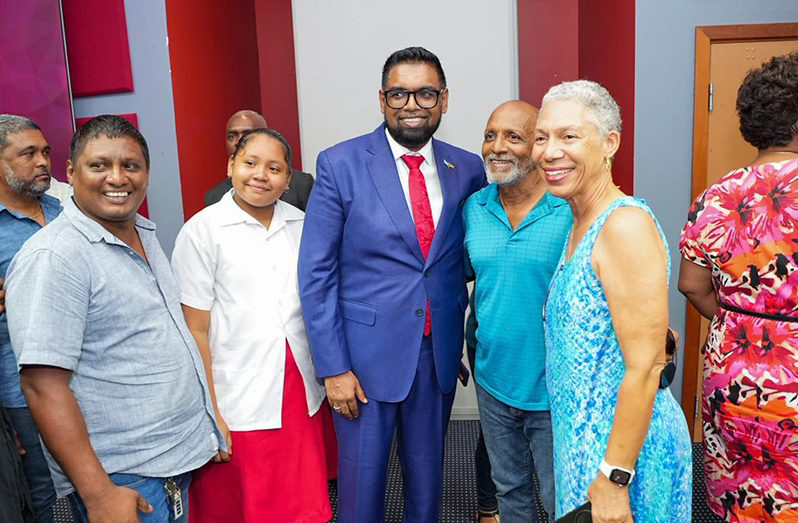
Flash back to February 2024, when Canada’s International Development Minister Ahmed Hussen jetted into the 46th CARICOM Heads meeting and slapped down up to $9.5 million CAD on the table for Guyana’s shiny new One Guyana Digital Skills Development Program. President Irfaan Ali beamed alongside him, touting it as a game-changer to crank out 2,000 full-stack developers over three years, arming young Guyanese with software chops, front-end wizardry, and mobile app smarts to snag remote gigs with global tech lords. The pitch? Launch these kids into “fulfilling careers” pulling $30,000 to $40,000 USD a year, ‘fat stacks’ by Guyana standards, where the average full-stack dev scrapes by on about $9,500 annually in local gigs.
Hussen called it a boost for the ICT boom; Ali swore it would juice inclusive growth, especially for marginalized folks. Press releases flew, photo ops glowed, and the government’s own site, oneguyanadigital.com, hyped it as the ticket to thriving in the “dynamic technology sector.” All under the GOAL scholarship umbrella, promising remote work via Upwork and Indeed, with resumes polished and interviews prepped. Sounded like the golden goose for a nation starving for skilled jobs amid the oil rush.
Cut to nearly two years in, December 2025, and this “transformation” is wheezing like a flat tire. The project’s barely off the ground, official start September 2024, wrapping 2026, with results? A big fat N/A on Canada’s Global Affairs tracker. First cohort? A measly handful of ‘grads’ back in December 2024, were trotted out to demo nine pet projects on education, health, and farming apps, cute, but the few who purportedly graduated from the program were only a handful of the 2,000 target, and we’re already a year past launch hype. Mid-2025 budget docs crow about 361 trainees in 2024 and GYD 1.8 billion ($8.5 million USD) for another 1,500 slots, but where’s the employment scorecard? Silence. No data on how many landed those dream remote jobs, no metrics on the “increased inclusive employment opportunities” for marginalized groups they swore to uplift. Hundreds of “job opportunities lined up,” they claim, but in a country where ICT skills gaps yawn wide and internet hits just 52% penetration with hinterland kids lucky to scrape broadband, who’s hiring en masse?
This isn’t progress; it’s a publicity stunt dressed as policy, dangling fat paychecks that vanish like mist. Those $30k-$40k lures? Sure, for elite remote hustlers tapping global firms, but most grads will slam into Guyana’s grim reality; local full-stack roles pay peanuts, averaging under $10k USD amid a 14.5% unemployment rate and a brain drain sucking talent to oil rigs or abroad.
No wonder trade unions blast the government for dodging wage violations and letting foreign outfits lowball locals, think Trinidadians pocketing more than Guyanese on the same contracts. And the digital divide? Hinterland hubs are a joke, 82 ICT spots solar-powered for 54k folks sounds noble, but without real skills pipelines or enforcement, it’s window dressing for a regime that can’t bridge coast-to-bush basics, let alone code bootcamps.
Worse, this flops in the shadow of the same crew’s disasters, the 150,000 Coders farce that coughed up 463 certs after billions, or the Digital School relaunch, all sizzle, no steak. They’re cheating youth again, herding them into half-baked classes with fairy-tale salaries, while the real economy chokes on informal gigs (50% of jobs) and a literacy rate that’s 90% on paper, less that 1/2 that in reality and nevertheless worthless without bandwidth or buy-in.
As it stands today, the program offered no pedagogy backbone, no follow-through on jobs, just more bleating about “inclusive growth” to mask the mess. By 2026, expect another “success” presser with vague stats, while grads hustle side gigs or emigrate. This government hasn’t a clue on execution; they peddle these schemes to snag foreign investment dollars and headlines, but deliver dust to the desperate. Guyana’s kids deserve code that compiles, not another crashed promise.