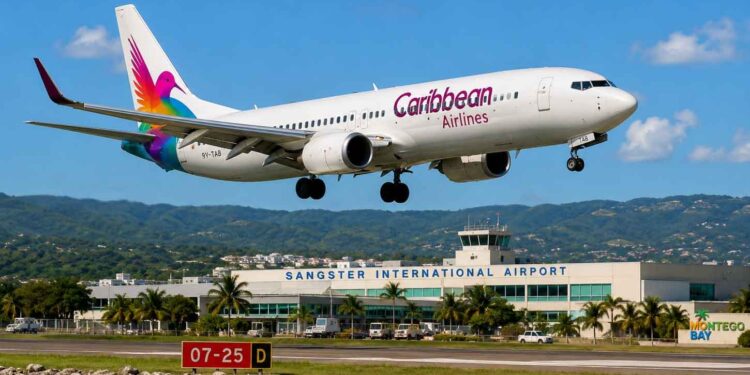
As international lenders pledge billions for Hurricane Melissa recovery, questions mount over whether Jamaica is being rescued—or further indebted.
By Calvin G. Brown
MONTEGO BAY, WiredJa News Service, Jamaica, December 1, 2025 – The headlines trumpet a financial lifeline: US$6.7 billion for Jamaica’s recovery from Hurricane Melissa, assembled by a coalition of international financial institutions that reads like a who’s who of global development finance. The World Bank, IMF, Inter-American Development Bank, Caribbean Development Bank, and CAF have stepped forward with what they’re calling a “comprehensive package” to help Jamaica rebuild.
But strip away the generous rhetoric and a more sobering picture emerges: Jamaica faces US$8.8 billion in damages, yet the much-celebrated package falls US$2.1 billion short—and most of what’s on offer isn’t aid at all. It’s debt.
Of the US$6.7 billion being touted, only US$12 million comes in the form of grants for technical assistance. The rest? Loans that Jamaica will be repaying for years to come, alongside interest that will compound the nation’s already substantial debt burden. For a country that has spent the better part of two decades trying to escape from under the weight of unsustainable debt, Hurricane Melissa may prove to be not just a natural disaster, but an economic trap.
The Debt Behind the Headlines
The breakdown tells the real story. CAF is offering up to US$1 billion—but it’s financing, not a gift. The CDB has pledged US$200 million in loans. The IDB is bringing US$1 billion in “sovereign financing,” while the IMF stands ready with US$415 million under its Rapid Financing Instrument. The World Bank rounds out the package with another US$1 billion in sovereign financing.
Add it up, and you’re looking at US$3.6 billion in new loans that Jamaica will owe—on top of whatever the nation borrows from the private sector, which international financial institutions are “mobilizing” to the tune of an additional US$2.4 billion. This isn’t reconstruction through solidarity; it’s reconstruction on credit.
The immediate response of US$662 million, while crucial for emergency needs, further illustrates the problem. Jamaica had to draw down US$37 million from its own contingency funds—money already set aside from a strained national budget. The US$91 million from the Caribbean Catastrophe Risk Insurance Facility and the US$150 million from the World Bank’s catastrophe bond? Those are insurance payouts Jamaica has been paying premiums for. The US$300 million from the IDB’s Contingent Credit Facility? More debt.
Mottley’s Vision: The Alternative Jamaica Deserves
The stark contrast between what Jamaica is receiving and what it needs has not been lost on regional leaders. Barbados Prime Minister Mia Mottley, during her tenure as CARICOM Chair, persistently advocated for reforms to address insufficient access to concessional financing that hinders sustainable development efforts across Small Island and Low-lying Developing States.
Through her Bridgetown Initiative, Mottley has articulated a radically different approach to climate finance—one that exposes the inadequacy of Jamaica’s current “rescue” package. The initiative calls for tripling concessional loans and grants to the world’s poorest countries, with new long-term, low-cost lending instruments featuring loan maturities of up to 30 years with ten-year grace periods.
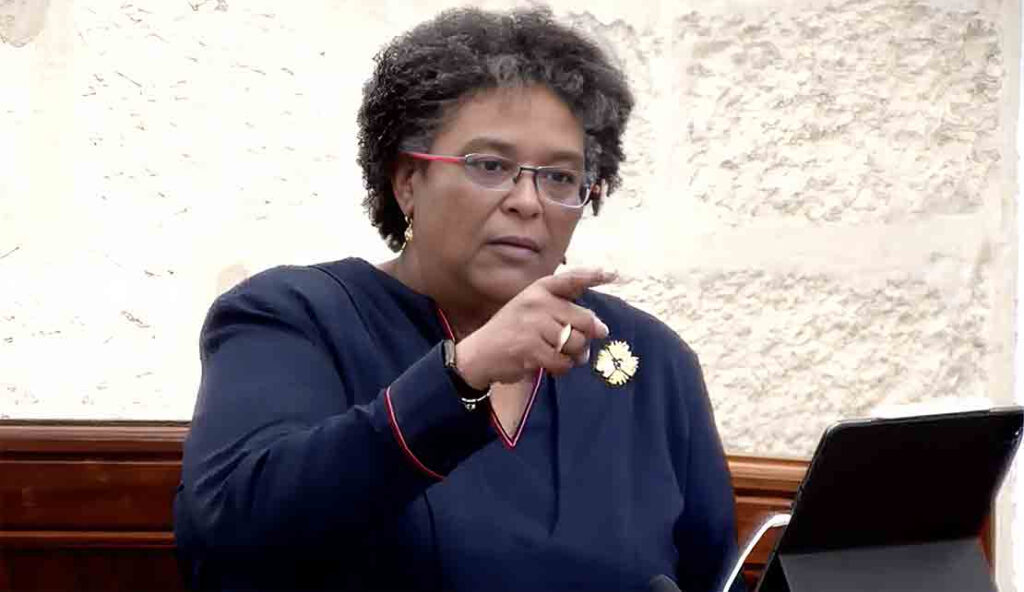
Perhaps most importantly, Mottley has argued that money should be available “before a disaster, not just following a disaster,” citing World Bank research showing that every dollar spent on resilience saves many lives and seven dollars in recovery costs.
The numbers she cites are damning. While the Global North borrows at interest rates between one and four percent, the Global South pays around 14 percent—a disparity that transforms disaster recovery from an act of solidarity into a profitable enterprise for lenders.
Mottley’s vision includes a universal contingent finance facility at the World Bank to release funds quickly after disasters, climate-resilient debt clauses that pause repayments when disaster strikes, and a new IMF framework that recognizes investment in resilience as essential. These are precisely the mechanisms absent from Jamaica’s current package.
The Bridgetown Initiative has garnered international support from figures ranging from French President Emmanuel Macron to IMF Managing Director Kristalina Georgieva. Yet when catastrophe actually strikes a Caribbean nation, the response reverts to the old playbook: loans at commercial or near-commercial rates, with repayment schedules that begin almost immediately.
Private Capital’s Questionable Role
Perhaps most concerning is the emphasis on “mobilizing private investment.” The press release frames this as a solution that will “preserve fiscal space,” but the reality is more complex. Private capital doesn’t flow into disaster recovery out of altruism—it flows where there are returns to be made. What assets will Jamaica have to privatize or what concessions will it need to grant to attract US$2.4 billion in private investment?
The involvement of IDB Invest, the International Finance Corporation, and the Multilateral Investment Guarantee Agency suggests that Jamaica’s recovery will increasingly be shaped by profit motives rather than public interest. Infrastructure projects financed through private capital often come with user fees, toll roads, and service charges that hit ordinary Jamaicans hardest. The language about “blending public and private solutions from the outset” may sound innovative, but it often translates to privatization by another name.
The Caribbean’s Climate Injustice
The Caribbean’s carbon footprint represents roughly 0.3% of global emissions, yet the region’s exposure to climate disasters ranks among the highest anywhere, with annual losses already exceeding US$12.5 billion. Jamaica’s current plight exemplifies a cruel reality: nations that contributed virtually nothing to the climate crisis face economic devastation for the privilege of survival.
Jamaica’s fiscal journey makes this injustice particularly acute. Over the past two decades, the country has rebuilt its fiscal reputation, reducing debt from over 150% of GDP to about 70%—a remarkable achievement earned through years of discipline and sacrifice. Now one hurricane threatens to undo much of that progress, forcing yet another round of borrowing that will burden future generations.
What Jamaica Really Needs
To be clear, the immediate support matters. Jamaica needs resources now to rebuild homes, restore infrastructure, and help communities recover. But the structure of this assistance raises fundamental questions about what international solidarity should look like in the face of climate-driven disasters that Caribbean nations did little to cause.
The current model—where devastated nations must borrow their way back to stability—is unsustainable. Jamaica will spend years, possibly decades, servicing debt incurred not through profligacy but through geography and the carbon emissions of wealthier nations.
The international financial institutions’ press release speaks of “building forward better” and creating “a stronger, more resilient future.” But resilience built on borrowed billions is fragile indeed. What Jamaica needs isn’t just financial instruments and technical assistance—it needs the concessional financing, debt suspension clauses, and grant support that Mottley has been demanding on the global stage.
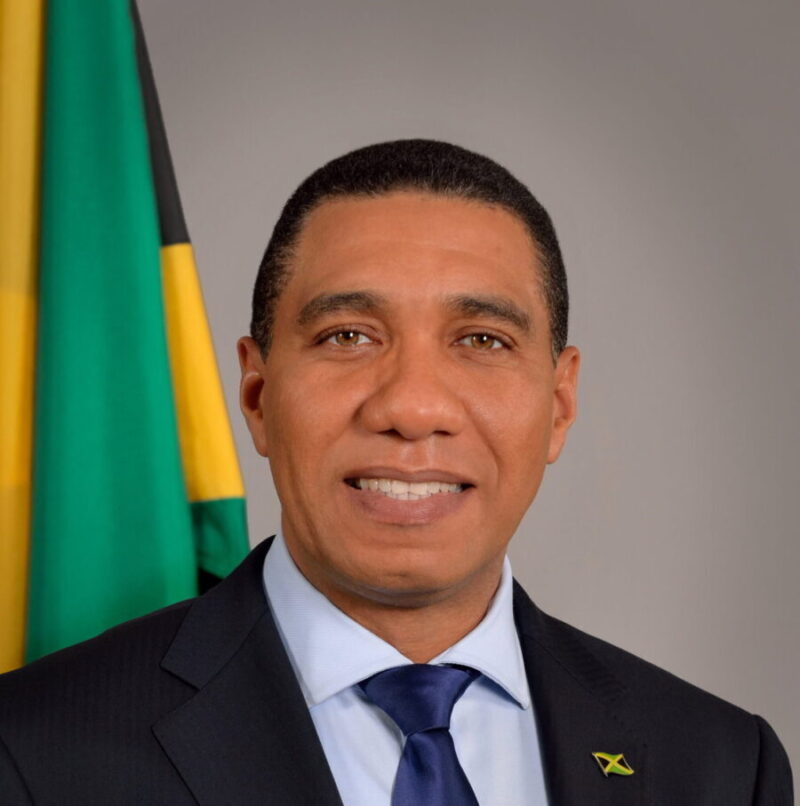
As current CARICOM Chair Andrew Holness prepares for implementation discussions, the question isn’t just how Jamaica will rebuild—it’s whether the nation can afford the cost of survival, and whether the international community will ever move beyond rhetoric to deliver the climate justice it promises.