By Mark DaCosta- Since its inception in 1901, the Nobel Peace Prize has stood as one of the most prestigious and significant accolades in the world. Established by the will of Alfred Nobel, a Swedish inventor, engineer, and industrialist, the Prize honours individuals and organisations that have made substantial contributions to the reduction of conflict and the promotion of peace. Its significance transcends mere recognition; it serves as a potent symbol of hope, a rallying point for peacebuilders, and an influential tool for societal change.
A Historical Context
The Nobel Peace Prize emerged during a time marked by intense nationalism and conflict. Alfred Nobel, who witnessed the destructive impact of war through his inventions, sought to create a legacy that would foster dialogue and reconciliation. The Prize highlights the role of humanitarian efforts in shaping global affairs and honours those who dare to confront the often-overwhelming challenges posed by war, poverty, and injustice.
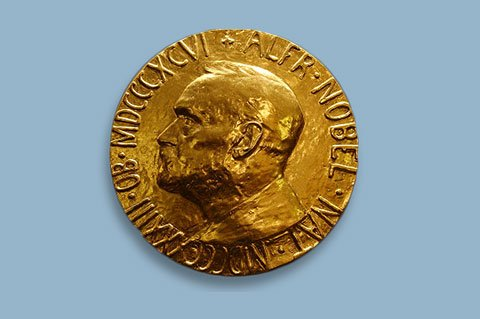
Significance of the Prize
-
Recognition of Peace Efforts: The Nobel Peace Prize acknowledges and elevates the work of individuals and organisations working towards peace. By shining a spotlight on their efforts, it raises public consciousness about relevant issues and inspires further action. Notable laureates include Martin Luther King Jr., Malala Yousafzai, Nelson Mandela, and the United Nations, each representing a facet of the tireless struggle for peace and human rights.
-
Influence on Global Discourse: The Prize catalyzes discussions around critical geopolitical issues. When a laureate is announced, it often reignites global conversations about the very issues they advocate for.—.whether it be climate change, disarmament, civil rights, or social justice. This influence can shift media attention, political priorities, and public opinion toward pressing global challenges.
3.A Financial and Moral Boost: Winning the Nobel Peace Prize brings significant financial resources and increased visibility to the laureates’ causes, enabling them to expand their efforts and reach a broader audience. The Prize also bestows a sense of moral authority upon recipients, allowing them to advocate more effectively for their missions and attract further support.
4.Encouragement of Nonviolent Solutions: The Prize underscores the importance of nonviolent approaches to conflict resolution. By recognising those who have employed diplomacy, grassroots activism, or humanitarian efforts instead of resorting to violence, the Nobel Peace Prize sends a powerful message about the efficacy and necessity of peaceful methods in addressing societal and global issues.
5.Historical Document of Progress: The list of laureates acts as a historical record, capturing the evolving landscape of global peace efforts. It reflects changing priorities and responses to new conflicts and crises over time. Each award not only honours current efforts but also serves as a reminder of past struggles and achievements, inviting future generations to learn from them.
Despite its significance, the Nobel Peace Prize is not without controversy. Critics argue that some laureates may not have met the standards of peace and justice that the Prize embodies. Instances of awarding leaders with questionable track records regarding human rights have raised questions about the Prize’s integrity and intentions. Furthermore, the Prize’s impact can sometimes be more symbolic than practical, leading some to express skepticism about its effectiveness in enacting real change.
The Nobel Peace Prize remains a vital institution in the ongoing quest for peace and justice across the globe. While it faces challenges and critiques, its role in recognising and promoting the work of peace advocates is undeniable. The Prize inspires countless individuals and groups to strive for a world marked by dialogue, understanding, and cooperation. As we navigate an increasingly turbulent world, the Nobel Peace Prize serves as both a reminder of what has been achieved and a call to action for what still needs to be accomplished. In essence, it stands as a beacon of hope, illuminating the path toward a more peaceful and just society.