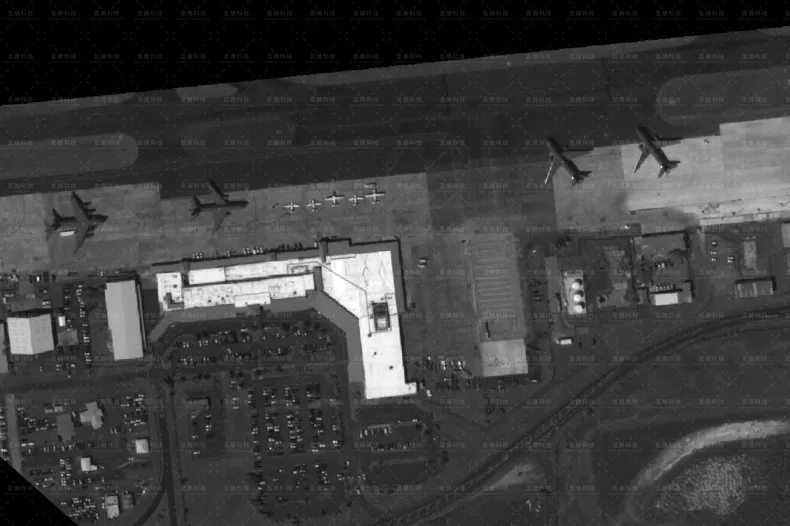
Anew satellite image of U.S. military support aircraft in the U.S. Virgin Islands, alongside photos of an American missile cruiser docked in Puerto Rico, highlighted Washington’s expanding military footprint in the Caribbean this week.
The show of force follows recent U.S. strikes on suspected drug cartel boats and new military deployments ordered by President Donald Trump, who has sharpened warnings to Venezuelan leader Nicolás Maduro over alleged ties between his government and organized crime.
Newsweek has reached out to the U.S. State Department and Venezuela’s Foreign Ministry for comment.
Why It Matters
The combination of visible warships, fighter jets, drones and heavy transport aircraft underscores the scale of America’s buildup in the region.
While Washington officially frames the military surge as part of a counternarcotics mission, the operations place U.S. forces within striking range of Venezuela and risk a direct confrontation with Maduro’s government, which accuses Washington of preparing for wider aggression.
What To Know
Black and white satellite imagery published this week by the Chinese aerospace intelligence firm MizarVision showed at least one C-17 Globemaster III military transport aircraft at the Henry E. Rohlsen Airport on St. Crois in the U.S. Virgin Islands. Other U.S. Air Force planes present in the photograph, taken on Monday, included three KC-46 Pegasus refueling tankers.
The C-17 is capable of moving large numbers of troops and heavy equipment and its presence points to expanded logistical support for the growing U.S. mission in the Caribbean. The KC-46, while primarily for aerial refueling, can also be used for airlift operations.
Meanwhile, photographs shared on X by Puerto Rico-based user Michael Bonet showed the Ticonderoga-class guided-missile cruiser USS Lake Erie docked at Puerto Rico’s Ponce port on Monday morning.
U.S. Strikes
Trump confirmed that U.S. forces had destroyed three suspected drug boats in recent weeks, with the latest strike killing three individuals allegedly linked to Venezuelan traffickers.
Trump’s Message to Maduro
In remarks at the White House on Tuesday, Trump demanded that Venezuela halt cartel activities and stop releasing convicts into the U.S., warning that Venezuelan networks pose a “threat to U.S. National Security, Foreign Policy, and vital U.S. Interests.”
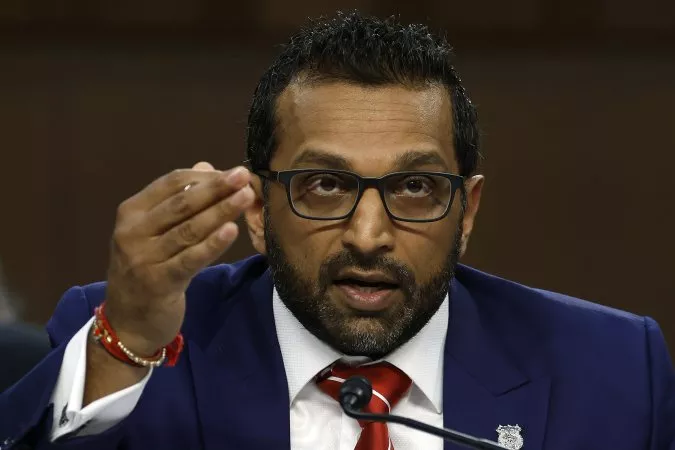
He linked the strikes to a broader campaign and was echoed by FBI Director Kash Patel in Senate testimony the same day. Patel said cartels should be confronted with the same urgency as al Qaeda after 9/11 and pledged years of sustained action.
The operations, however, have sparked legal and ethical debate given the absence of congressional authorization and limited evidence made public.
Venezuelan Response
Maduro condemned the U.S. operations as “criminal attacks” and accused Washington of waging “judicial, political, diplomatic, and military aggression.”
He declared that all channels of communication with the Trump administration had collapsed and called U.S. Secretary of State Marco Rubio the “lord of death and war.”
Expanding U.S. Presence
Beyond Puerto Rico and the U.S. Virgin Islands, U.S. forces have surged across the Caribbean. The Iwo Jima Amphibious Ready Group, several destroyers, F-35 fighters, MQ-9 drones, and a fast-attack submarine are all active in the region, adding to Washington’s pressure tactic against Maduro.
What People Are Saying
U.S. President Donald Trump: “Stop sending Tren de Aragua into the United States. Stop sending drugs into the United States.”
FBI Director Kash Patel: “I’m thankful that the Trump administration has designated these cartels and narcotraffickers as Foreign Terrorist Organizations because we must treat them like the Foreign Terrorist Organizations post-9/11, we must treat them like the Al Qaeda’s of the world.”
Venezuelan President Nicolás Maduro: “This is part of judicial, political, diplomatic, and military aggression.”
What Happens Next
With warships at Puerto Rican ports and transport aircraft on U.S. Virgin Islands runways, Washington is signaling sustained operations in the Caribbean, underscoring how the U.S.-Venezuela confrontation is shifting to a highly visible military standoff. Newsweek