By Mark DaCosta-In an atmosphere fraught with tension and accusations of electoral malpractice, the engagement of political parties in overseeing the voting process of our disciplined services has become a focal point of the ongoing electoral discourse. With key players from various parties, including We Invest in Nationhood (WIN) and the A Partnership for National Unity (APNU), actively monitoring the voting by members of the armed forces, concerns over the integrity of the electoral process are mounting, particularly in light of a controversial social media revelation showing a ballot for the ruling People’s Progressive Party (PPP).
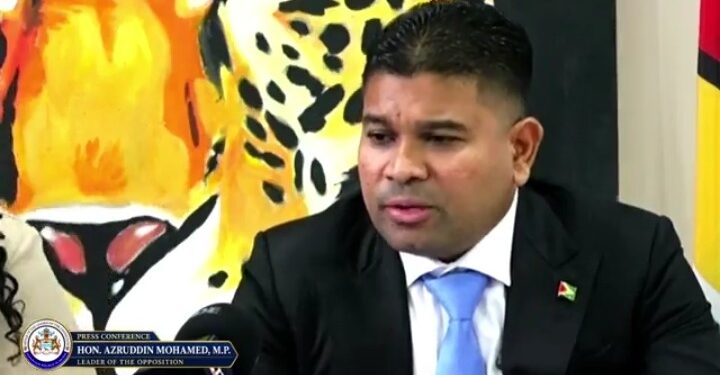
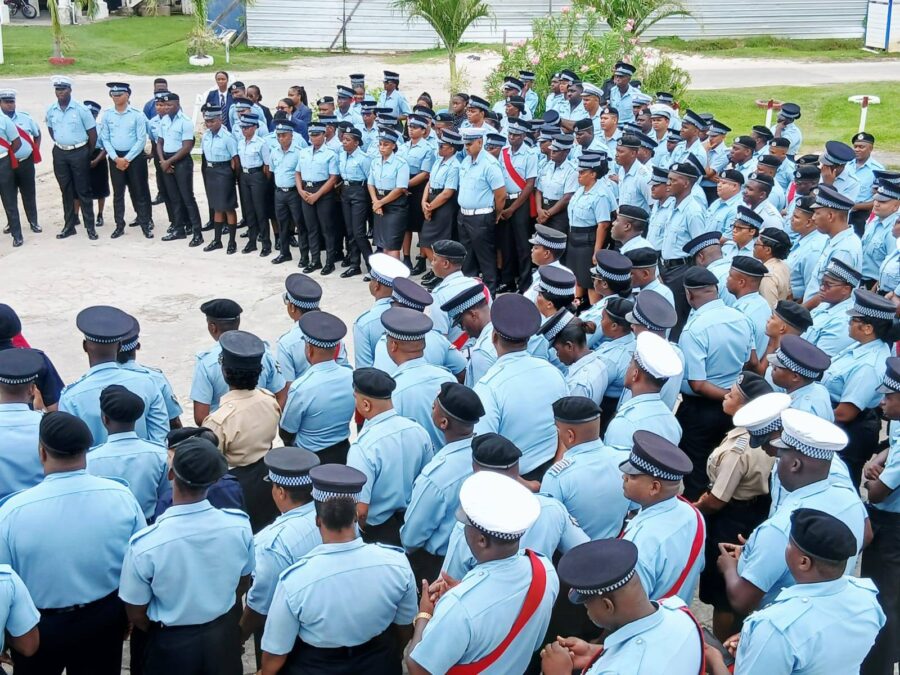
The early voting on August 22, 2025, which targeted personnel from the police, defence, and prison services, was punctuated by intense scrutiny from political representatives determined to ensure the sanctity of the electoral process. The WIN party, led by its presidential candidate Azruddin Mohamed and General Secretary Odessa Primus, was at the forefront of this oversight effort. Their attendance at polling stations, such as the Police Officers’ Mess Annex, signalled a dedication to upholding democratic standards that many believe are under siege by the ruling PPP.
Despite the precautions taken, a photograph allegedly depicting a completed ballot casting a vote for the PPP surfaced on social media platforms, igniting further alarm regarding potential electoral misconduct. This leak followed stringent measures imposed by the Guyana Elections Commission (GECOM), which had explicitly banned the use of mobile phones in polling stations in an effort to safeguard voter privacy and prevent vote-buying — a practice that, if proven, carries serious legal ramifications. The image highlights a glaring inconsistency; while GECOM aims to protect the electoral process, the very leak of voting information underscores potential vulnerabilities.

APNU’s Chief Scrutineer, Carol Smith-Joseph, expressed her alarm over the positioning of voting compartments, emphasising that such measures should ensure visibility to prevent any malpractices, including the use of cameras in polling booths. “No, you should not have allowed them to continue; that’s the law,” she firmly stated to representatives at polling stations, signaling a resolute stance against potential irregularities.
In parallel, Aubrey Norton, the chairman of the APNU and a presidential contender, reinforced these concerns, reiterating that the visibility of voters should be paramount to ensure adherence to voting protocols. He urged his party’s agents at the polling stations to halt any voting activities should the compartments not allow for proper oversight. “Once you have the box like that, you can still find other means of irregularities,” Norton asserted, reminding all involved of their pivotal role in maintaining electoral integrity.
The atmosphere surrounding the voting process was one of unease, as observers noted the slower pace of voting, attributed to a shortage of staff at polling stations. This raised considerable concerns regarding the potential for delays on the official election day slated for September 1, 2025. David Patterson, a candidate for the Alliance for Change (AFC), pointed out that insufficient staffing could exacerbate mishaps during the crucial voting period.
WIN, as a major opposition force, has positioned itself as a champion of democratic values, seeking to counter what it sees as a growing trend of authoritarianism under the PPP’s governance. The party’s proactive approach, engaging with the armed forces and emphasising the need for transparency, has garnered support among citizens anxious about the state of democracy in our country.
With the approach of the official election date, the nation stands at a crossroads. The revelations of possible voting violations, coupled with the aggressive scrutiny from opposition parties, paint a picture of an electoral landscape rife with tension and suspicion. As the battle for the nation’s political future unfolds, voters are left to navigate the murky waters of political allegiance, in a time when the commitment to fair and transparent governance hangs precariously in the balance.