The term “democratic governance” is frequently used, but its true meaning and application are often subjects of intense debate of True Rule by the People
At its heart, democratic governance is a system where power is derived from and exercised by the people, either directly or through freely elected representatives. However, a functioning democracy is more than just holding elections. It is a system built on a foundation of specific, interdependent tenets:
-
Rule of Law: This is the cornerstone. It means that all citizens and institutions, including the government itself, are accountable to laws that are publicly promulgated, equally enforced, and independently adjudicated. No one, regardless of their position, is above the law.
-
Separation of Powers: A healthy democracy divides government responsibilities among distinct branches — the executive, legislative, and judicial — to prevent the concentration of power in any single entity. This system of checks and balances is designed to prevent tyranny and ensure accountability.
-
Protection of Human Rights and Freedoms: Fundamental rights such as freedom of speech, assembly, press, and religion are not just privileges but are constitutionally guaranteed. A democratic government is bound to protect these rights for all citizens, including political opponents and minorities.
-
Free and Fair Elections: Elections must be regular, transparent, and competitive. They require an independent electoral body, equal access to the media for all parties, and a system that ensures every legitimate vote is counted without coercion or fraud.
-
Transparent and Accountable Government: Public officials are entrusted with power and are expected to act in the public interest. This requires transparency in government operations, a free press to scrutinize actions, and mechanisms for holding officials accountable for corruption or misconduct.
What is Not Democratic? The Hallmarks of Authoritarianism
In contrast, a system is not democratic when these core tenets are eroded or absent. Non-democratic governance, often termed authoritarianism, displays characteristics that are antithetical to rule by the people:
-
Suppression of Dissent: Instead of protecting free expression, non-democratic regimes silence critics, harass journalists, and use state power to intimidate political opposition.
-
Weakening of Institutions: The judiciary, electoral bodies, and other state institutions are often politicized and controlled by the ruling party, losing their independence and ability to act as a check on power.
-
Centralisation of Power: Power is consolidated in the hands of a few, often within the executive branch, with little to no meaningful oversight from the legislature or judiciary.
-
Lack of Transparency: Government actions are shrouded in secrecy, making it difficult for citizens to understand how decisions are made or how public funds are spent.
The PPP and the Democratic Test: A Critical Perspective
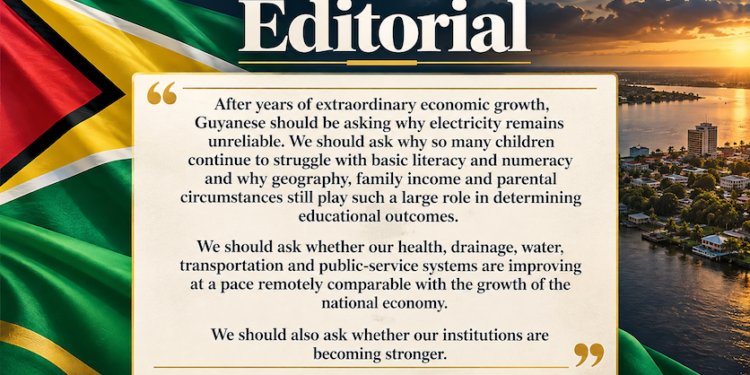
For decades, the PPP has been a dominant force in Guyanese politics. However, its governance has drawn significant criticism from civil society organisations, opposition parties, and international observers regarding its adherence to democratic principles.
Critics argue that while the PPP government holds regular elections, its actions in power have at times appeared to undermine the very institutions meant to uphold democracy. Specific points of contention include:
-
Challenges to the Rule of Law and Institutional Independence: There have been accusations that key state institutions, including sections of the judiciary and the police force, have faced political interference. Concerns persist over the pace of investigations into alleged corruption and the selective application of legal processes.
-
Press Freedom and Suppression of Dissent: The government has been accused of using state resources to favor pro-government media, while independent and opposition-aligned news outlets have reported difficulties accessing information. There are also concerns regarding the use of libel laws and public pressure to silence critics and investigative journalists.
-
Lack of Transparency in Public Spending: Despite a booming oil economy, transparency and accountability in the management of public funds, particularly the Natural Resource Fund, have been frequent topics of criticism. Calls for greater parliamentary and public oversight of these funds have often been met with resistance.
While the PPP defends its record by pointing to economic development and electoral victories, critics maintain that a robust democracy requires more than just a vote count. It demands an unwavering commitment to the rule of law, the independence of state institutions, and the protection of fundamental freedoms — principles that many argue are currently being tested in Guyana. The true measure of any government’s democratic credentials is not found in its popularity, but in its respect for the very system that brought it to power.