By Mark DaCosta- In an unfolding political scenario that has raised eyebrows across the nation, the Forward Guyana Movement (FGM) and A Partnership for National Unity (APNU) have both firmly rejected the Ethnic Relations Commission’s (ERC) Code of Conduct aimed at ensuring peaceful campaigning ahead of the upcoming elections. This decision, accompanied by a robust rationale from party leaders, highlights underlying tensions and differing perspectives on electoral integrity and governance.
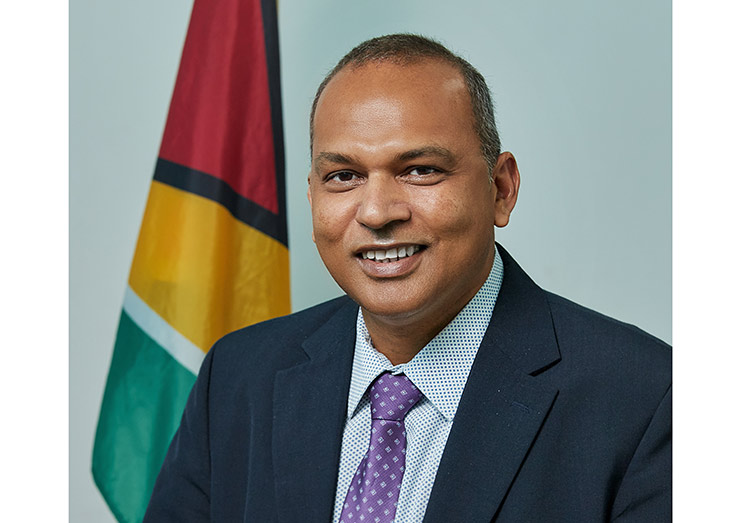
Amanza Walton-Desir, the leader of FGM and a presidential candidate, has articulated her party’s stance by expressing disappointment with the ERC. In a recent statement, she pointed out that FGM’s decision to abstain from signing the Code is rooted in unresolved concerns regarding the operational framework and procedural integrity of the ERC itself.
Walton-Desir noted that her party had previously submitted a comprehensive critique of the draft Code to the ERC, addressing what it considers significant flaws. Despite the ERC acknowledging receipt of these suggestions, she lamented a lack of subsequent engagement or amendments. Addressing the significance of the ERC’s initiative, Walton-Desir remarked that while the intentions may be commendable, the Code must transition from mere symbolism to a credible and enforceable framework grounded in equity.
Similarly, APNU has thrown its weight behind the rejection of the Code, emphasising scepticism regarding the ERC’s ability to maintain impartiality and independence. In a recent communiqué, the party reiterated its belief in the necessity of a code aimed at fostering peaceful and respectful campaigning. However, they expressed a lack of confidence in the ERC’s capacity to oversee the process fairly, leading to their decision not to sign. This act of defiance has raised questions about the implications for the upcoming elections, as both parties maintain that their commitment to a peaceful electoral process remains steadfast, despite the boycott.
The ERC’s Code of Conduct is designed to secure promises from political parties to maintain an atmosphere of peace, avoid inflammatory rhetoric, and promote unity among various ethnic groups during the election season. In a notable show of commitment, four political entities have stepped forward and signed the Code. These include the ruling People’s Progressive Party/Civic (PPP/C), Alliance for Change (AFC), Assembly for Liberty and Prosperity (ALP), and the We Invest in Nation (WIN) party. The leaders of these parties gathered at a signing ceremony at the Arthur Chung Conference Centre, pledging their dedication to ethical campaigning and civil conduct.
The ERC plays a crucial role in our democratic system, tasked with promoting harmonious relations among the diverse ethnic populations of our nation. Established to foster understanding and reduce tensions rooted in our multicultural society, the ERC seeks to ensure that debates and campaigns unfold in a manner that respects all demographics. As the upcoming General and Regional Elections on 1 September 2025 approach, the ERC’s mandate is more significant than ever, especially as political rhetoric and concerns around voter behaviour intensify.
ERC Chairman Shaikh Moeenul Hack further emphasised the importance of unity and compliance, ensuring that APNU and FGM will still have opportunities to sign the Code, as the Commission intends to set an extended deadline for final submissions. Hack believes that inclusive participation in the Code is vital for fostering peace and democracy, stating, “Without the rule of law, democracy cannot flourish; there can be no peace.” He urged political leaders to guide their supporters with wisdom and responsibility during this critical campaign period.
After the signing ceremony, representatives of the parties that endorsed the Code echoed sentiments underscoring the importance of responsible campaigning. AFC member Khemraj Ramjattan described the act of signing as an affirmative step toward ensuring ethical conduct among competing parties. Similarly, other representatives pledged commitment to promoting equality and tolerance among the varied ethnic communities that shape our country’s identity.
The stark division created by the abstention of FGM and APNU from signing the Code invites a deeper examination of the intricacies of political dynamics.