Vice Chancellor of the University of the West Indies, Professor Sir Hilary Beckles, is calling on the current Cricket West Indies administration to offer up a posthumous apology to former West Indies fast bowler, Roy Gilchrist.
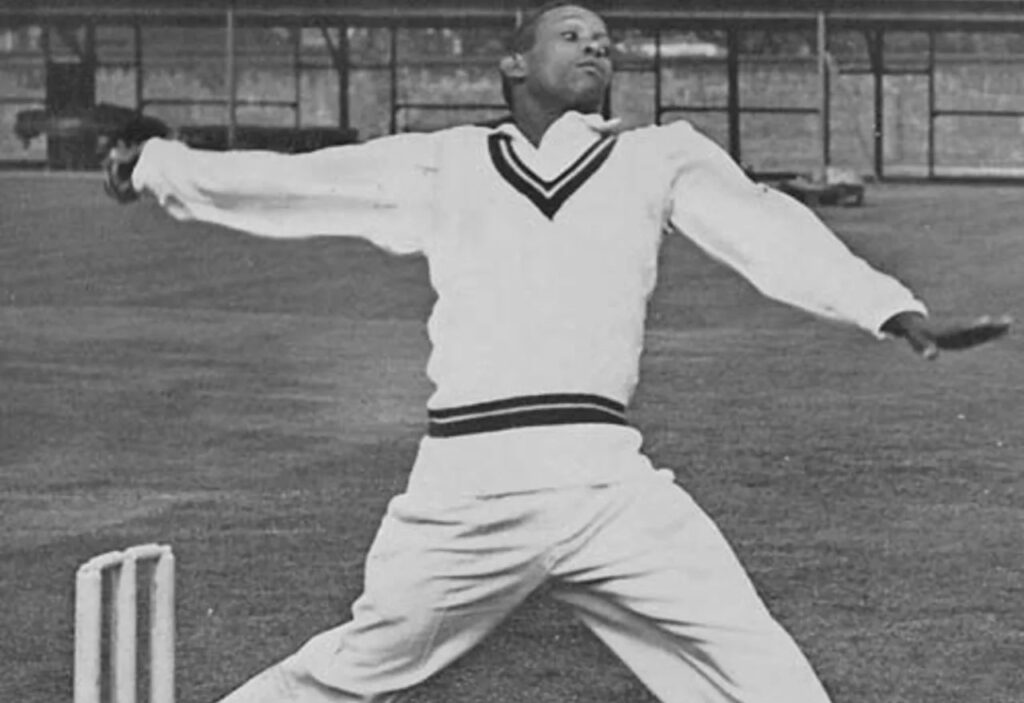
Gilchrist, or “Gilly” as he was called, played 13 Tests for the West Indies from 1957-1959, building a reputation as one of the fastest and most feared bowlers in the world during his time.
He played his last game for the West Indies at just 24 years old against India in February, 1959 and, because of a number of unfortunate factors that were a prominent feature of that time period both in the region and around the world.
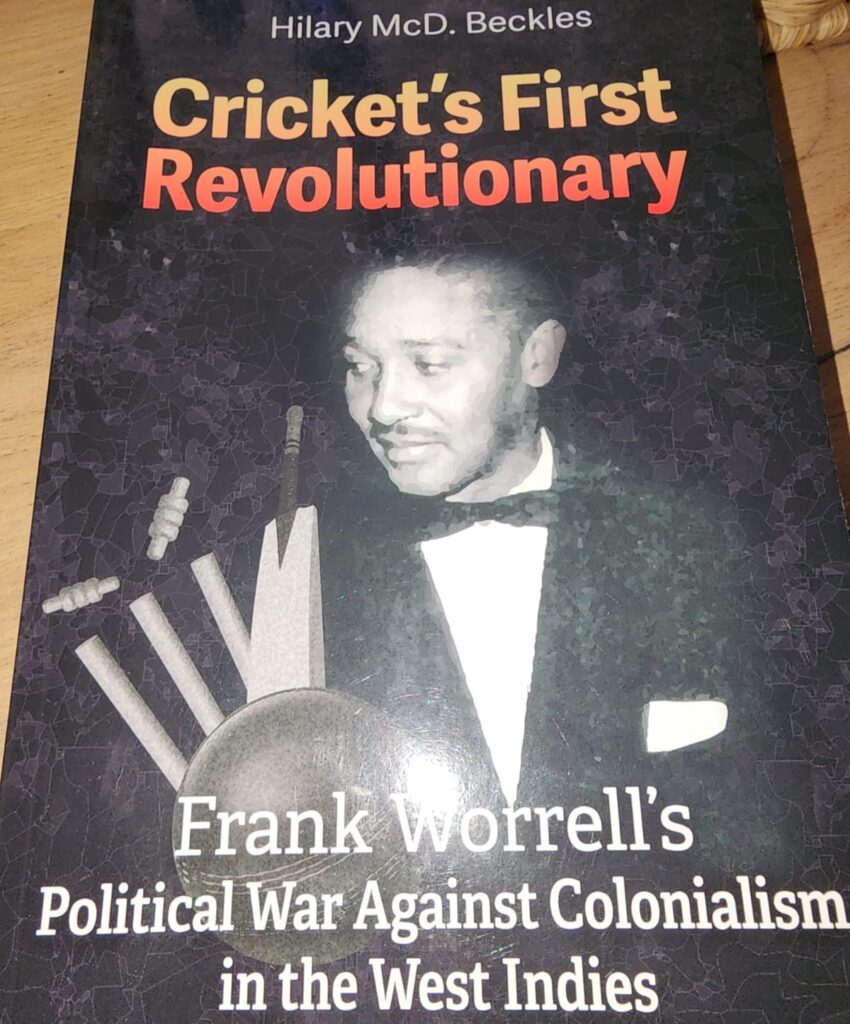
Beckles, who is also the Principal of UWI’s Cave Hill Campus, was speaking at the launch of his book titled Cricket’s First Revolutionary: Frank Worrell’s Political War Against Colonialism in the West Indies on Thursday at Sabina Park.
“Frank Worrell’s journey was to demonstrate that all West Indians, if treated equally, selected on the basis of merit and appropriately guided, could dominate the world. That was his philosophy,” Beckles said.
“He had one fundamental regret and that regret was that he could not rescue the career of Roy Gilchrist. He felt that Gilchrist was treated unfairly; he felt that Gilchrist was, arguably, going to be one of the greatest cricketers of all time and he was chopped down because of racism, classism and for committing no illegal offense,” Beckles added.
During Gilchrist’s last Test tour of India in 1959, he took 26 wickets in eight innings at an average of just 16.11.
“He and Wes Hall were the opening bowlers and Gilchrist was not only the most effective, but he was the one man who was feared. We defeated India handsomely, because of Roy Gilchrist,” Beckles said.
“Wes Hall said that he would bowl at the other end and then marvel at how this little man could bowl so fast because Gilly was a small man and faster than Wes,” he added.
At the end of that tour, there was a friendly match against the Punjab state where the West Indies were going to play before crossing over into Pakistan for another tour.
Before that match, the opening batsman of that team wrote an article in the press saying that the Indian batsmen were afraid of Gilchrist but said that when he comes, “I will show him and I will show the Indian team how to play Gilchrist.”
Beckles noted that the batsman who wrote the article was also friends with West Indies captain Gerry Alexander at the time.
“The very first ball, Mr. Singh smacked the ball through the covers for four and told Gilly ‘how you like that?’ The next ball was what we call a high full toss. The captain tells Gilchrist to cut it out. The next ball was of a similar nature,” he said.
After that match, Gilchrist was put on a plane and sent home because of disobedience to the captain.
The next year, Frank Worrell was appointed captain and pleaded with the West Indies Cricket Board to call Gilchrist up for the tour of Australia but never got his wish as Gilchrist never played for the West Indies again.
He passed away in Jamaica in 2001 at the age of 67 after a long battle with Parkinson’s Disease.
“I believe it would be the right, moral and ethical thing to do at this stage to honour Frank Worrell on his centenary and to honour all the achievements that he has had, to give an apology to Gilchrist for the harm and suffering and the end of his career that was unjustly terminated,” Beckles said.
“I believe that CWI, as a part of its future building, democracy, access and respect for cricketers and so on, should reflect and say ‘we are regretful of how this brilliant young man’s career was destroyed against the best efforts of Worrell,” Beckles added. Sportsmax