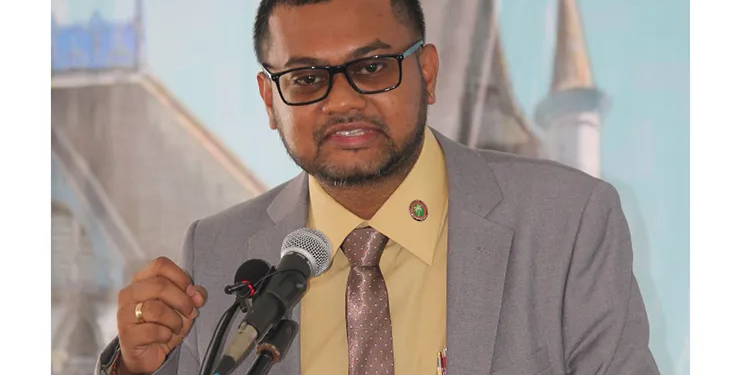
By Mark DaCosta-Former Staff Sergeant Ubraj Narine has raised significant concerns about political bias within the Guyana Defence Force (GDF), igniting discussions about the integrity and impartiality of the institution ahead of the country’s upcoming general elections. Narine’s accusations highlight a troubling disparity in how political engagement is handled within the ranks of the GDF, suggesting favouritism towards those aligned with the ruling People’s Progressive Party (PPP).

In a series of public statements directed towards both the GDF and the diplomatic community, Narine articulated profound disappointment in witnessing officers of the GDF participate in political events that champion the PPP. He noted that while the constitution guarantees every citizen the right to political involvement, the actions of some Reserve Officers contrasting sharply with his own experience of dismissal from the force raise serious questions about fairness and equal treatment. With the backdrop of looming elections in 2025, these revelations cast shadows on the credibility of our national defence institution.
Narine recounted his own dismissal from the GDF Reserve in December 2022, an event he described as abrupt and lacking any formal justification. “No reasons were ever given for my dismissal,” he asserted, implying a dangerous inconsistency. While he has been sidelined without explanation, other officers continue to be actively celebrated for their political engagements. The disparity is alarming, making Narine question, “Why was I treated differently? Why is political involvement punished in some cases but rewarded in others — depending on which party you support?”
The implications of these claims are far-reaching. Narine suggests that such selective enforcement undermines public trust in not only the GDF but also in the wider democratic processes that underpin our society. His criticisms have provoked a call for greater accountability within the military, urging GDF leadership, particularly Brigadier General Omar Khan, to address these allegations publicly. “The Guyana Defence Force must be held to a higher standard — one that does not bend to political pressure or discriminate based on political affiliation,” he emphasised.
Accusations of politicisation within our defence institutions have surfaced before, but Narine’s statements have renewed urgency to the issue. The GDF’s silence on these allegations further compounds the suspicion surrounding its impartiality. By allowing active participation in political activities among certain officers, the GDF risks compromising its foundational commitment to remain apolitical, which is vital for maintaining public trust at a time when political tensions are escalating.
Ubraj Narine is a prominent figure in our nation, previously serving as the Mayor of Georgetown. His military background as a Staff Sergeant in the GDF has given him a unique perspective on the operations and principles that ought to govern the force. Known for his dedication to public service, he has cultivated a reputation for advocating transparency and fairness. The abrupt termination of his role within the GDF without due process not only raises concerns about his personal treatment but also highlights larger systemic issues that could undermine the integrity of national institutions.
As Narine openly challenges the GDF’s apparent political biases, he seeks to advocate for a return to values that bind our nation’s institutions to the principle of neutrality. His outreach to the diplomatic community is a strategic move to garner international attention on what he perceives as dangerous precedents being set within the GDF under the prevailing political climate. He stresses that “this matter transcends my personal circumstances,” underscoring the broader implications of how political affiliations shape governance and justice in our country.
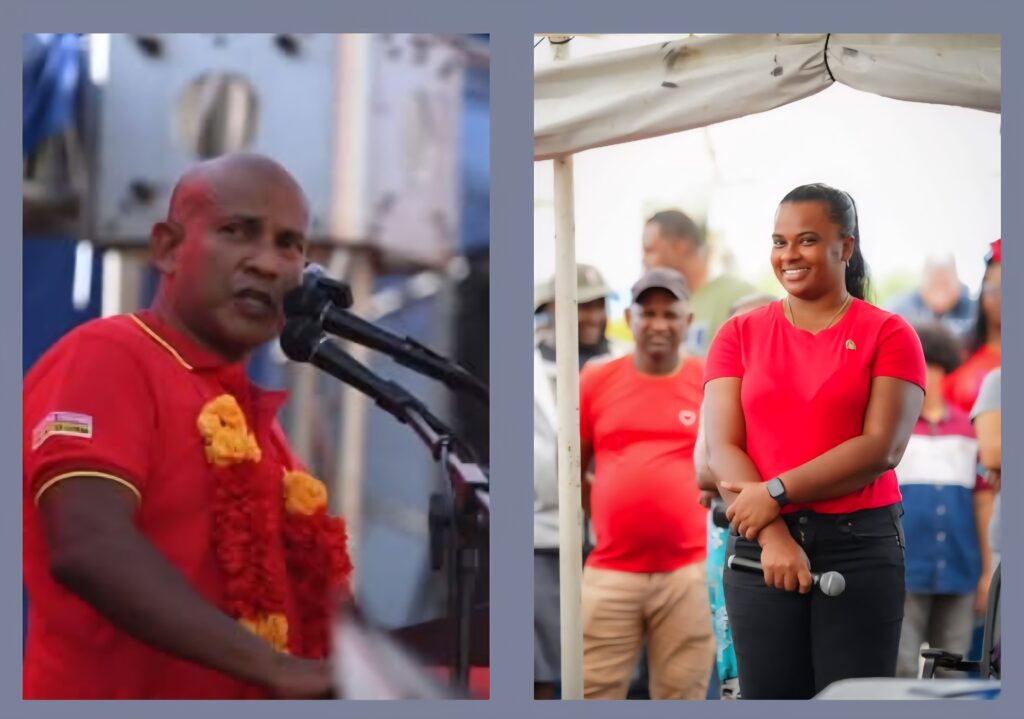
The urgency of addressing these concerns cannot be overstated as Guyana gears up for pivotal elections. The perception of political bias within the defence force could have dire consequences for public confidence in both the military and the electoral process. As the situation unfolds, citizens and stakeholders alike must remain vigilant to ensure that our national institutions uphold the principles of equity and impartiality free from political manipulation. Ubraj Narine’s revelations serve as a clarion call for a return to fundamental democratic values, urging us all to scrutinise the integrity of those who serve and protect our nation