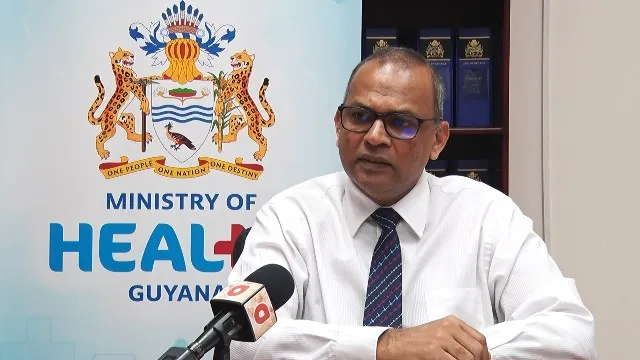
By Mark DaCosta- Health Minister Dr Frank Anthony has assured citizens there has been no rise in COVID-19 cases in our homeland, albeit cautionary measures have been activated in anticipation of a circulating new variant.
In light of new variants arising globally, including a strain known as NB 1.8.1 linked to increased hospitalisations in Asia and the United States, Dr Anthony has urged continued vigilance among healthcare facilities in our nation. Despite receiving reports of a recent internal communication indicating a surge in positive cases within hospitals, the Minister firmly stated that the current data does not reflect a spike in infections. He expressed concern over complacency towards the pandemic, emphasising the necessity of being prepared should circumstances change. Dr Anthony has clarified that the heightened alert status is a proactive strategy to ensure timely testing and management of potential COVID-19 patients. He articulated the department’s commitment to effective surveillance, notwithstanding the absence of the new strain in our country at this time.
This precautionary stance indicates a shift away from the previously more relaxed attitudes towards pandemic management, particularly as the world grapples with emerging threats. Given the propensity for individuals with pre-existing respiratory conditions — such as asthma and Chronic Obstructive Pulmonary Disease (COPD) — to face increased risks from respiratory illnesses, any surge in COVID-19 cases presents a significant concern for their health. Conventional wisdom suggests that those on long-term steroid treatments to manage these conditions might be at an increased risk for severe infections due to immune system suppression. However, recent studies indicate this immunocompromised state could paradoxically offer some protection against the severe inflammatory responses associated with various COVID-19 strains.
According to a local doctor who spoke with this publication, a phenomenon of a cytokine storm — a severe immune reaction — can be catastrophic for patients infected with COVID-19. It is often this overwhelming response that leads to acute respiratory distress syndrome, organ failure, and ultimately death. Researchers are examining how individuals with asthma and COPD, who routinely utilise inhaled corticosteroids, may experience less severe inflammatory reactions compared to those with fully operational immune systems. Current discussions within the scientific community suggest that these medications could potentially moderate hyper-inflammation, thereby reducing the risk of extreme health crises under certain circumstances.
Nevertheless, this does not imply that patients with respiratory issues are exempt from severe outcomes following COVID-19 infection. Initial pandemic research categorised such individuals as presenting higher vulnerability, and health authorities continue to advocate for adherence to prescribed treatment regimens. The ongoing exploration into how chronic steroid use impacts reactions to COVID-19 variants reflects a complex interplay of immunology that could reshape therapeutic approaches within our healthcare system. Enhanced understanding of how steroids mitigate inflammation while managing other respiratory concerns is crucial for healthcare providers and patients alike.
As we navigate the uncertain landscape of the pandemic, it is imperative that those with existing respiratory ailments remain vigilant about their health. The balance between effective disease management and potential risks associated with COVID-19 demands thorough evaluation and continued education. This nuanced perspective reaffirms the necessity of adhering to prescribed treatments, as the ongoing evolution of COVID-19 variants poses a continuous challenge to public health.
While Dr Anthony’s declaration points to current stability in COVID-19 cases, the implication of emerging strains, particularly for vulnerable populations, necessitates ongoing vigilance and preparedness within our health system.