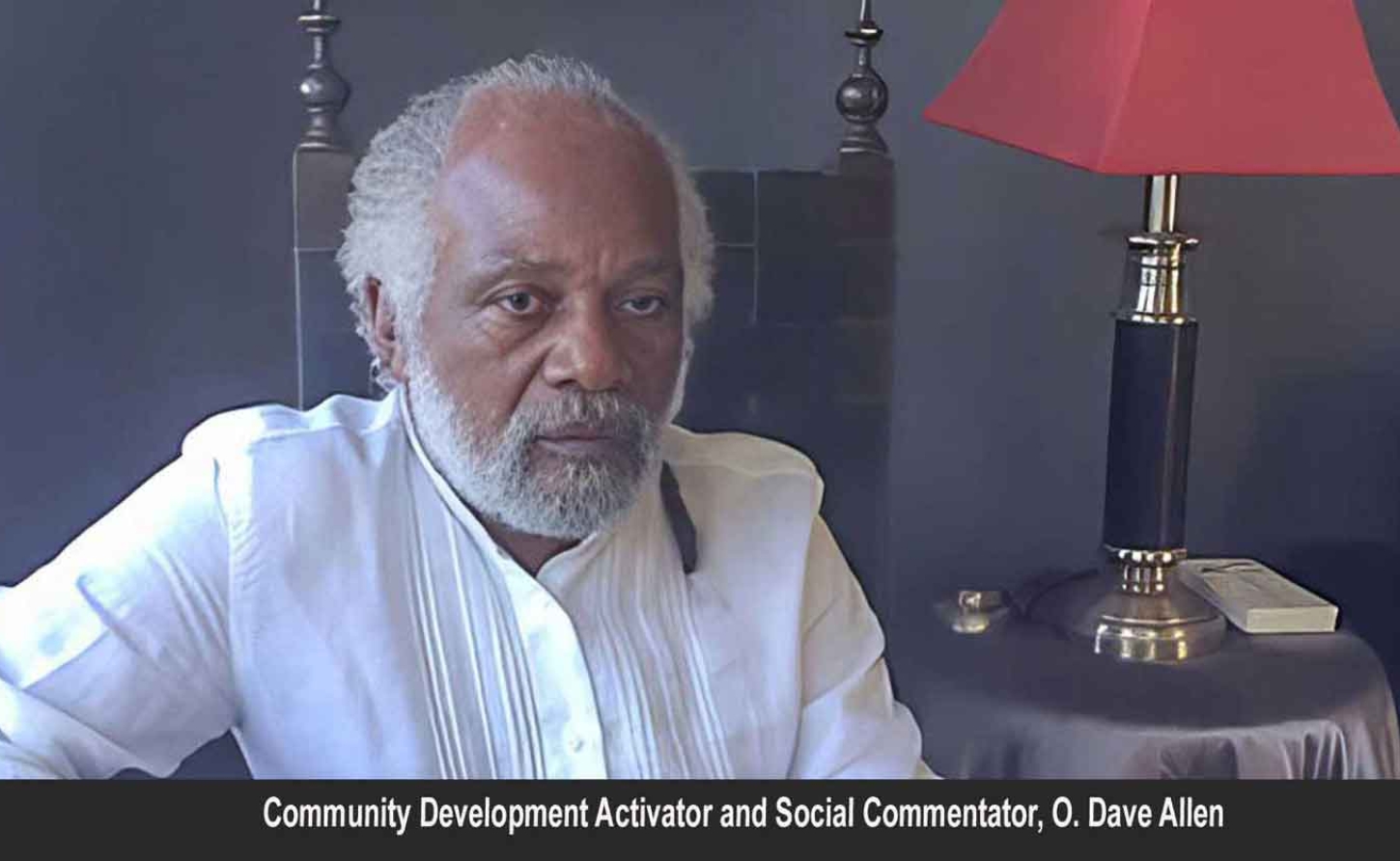
MONTEGO BAY, Jamaica – by O Dave Allen – The ghost of Marcus Garvey haunts Jamaica’s economic corridors. A century after the national hero dared to stitch together a commercial tapestry connecting Black nations with his ambitious Black Star Line, Jamaica stands isolated—an island in more ways than geography intended.
The irony cuts deep: As we celebrate Garvey’s vision in ceremonial platitudes, no Jamaican goods travel directly to African ports, no direct flights carry our business leaders to the continent’s burgeoning markets, and no immigration pathways connect our shrinking workforce with Africa’s human capital.
Perhaps most glaring of all, we’ve failed to tap into Africa’s burgeoning middle class seeking cultural tourism experiences—even as carriers like Nigerian Air and Ghana Airways express interest in Caribbean routes. This disconnect isn’t merely symbolic—it’s economic suicide.
“The problem is not that we dream too big, but that we execute too small,” notes Garvey’s philosophy. His shipping line wasn’t romantic nostalgia but hard-nosed business strategy, recognizing that sovereignty without economic self-determination is merely ceremonial independence.
Jamaica now faces a stark choice: continue diplomatic niceties that yield diminishing returns or forge bold new alliances that serve our interests. The upcoming CARICOM Heads meeting presents a golden opportunity for Jamaica to shift the narrative, pushing aggressively for a comprehensive Free Trade Agreement between CARICOM and the African Union.
The mathematics is compelling. Africa’s 1.4 billion consumers represent not charity but opportunity—markets for our agricultural products, manufacturing, education services, and cultural exports. Meanwhile, African investors seek new frontiers beyond their saturated domestic markets, with Caribbean tourism, renewable energy, and logistics presenting untapped potential.
Perhaps most glaring is the Holness administration’s inexplicable failure to engage with the African Export-Import Bank (Afreximbank), which has earmarked an impressive $2.5 billion specifically for Caribbean investment opportunities.
While other nations rush to secure these funds for infrastructural development and economic diversification, Jamaica’s leadership remains conspicuously hesitant—another missed opportunity in a pattern of economic myopia.
But treaties without transportation infrastructure are paper tigers. Any meaningful agreement must include direct shipping and air routes between strategic points in both regions—creating not just channels for goods but South-to-South tourism corridors allowing African travelers to experience Caribbean culture firsthand.
The current practice of routing Caribbean-African commerce through former colonial powers isn’t just inefficient—it’s a vestige of economic subservience that Garvey fought to dismantle.
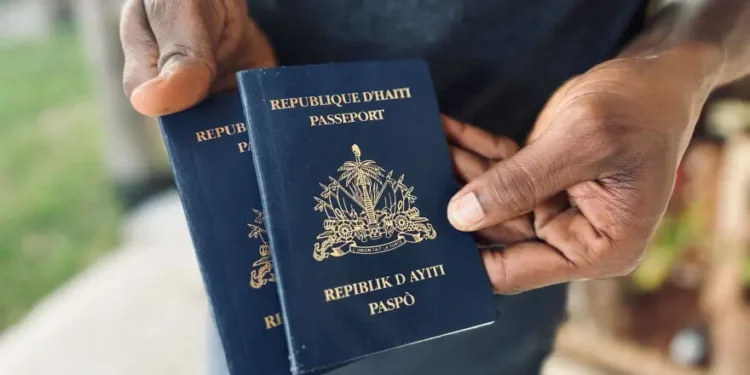
Closer to home, Jamaica must revitalize its symbiotic historical partnership with Haiti. Our intertwined destinies date back centuries—evidenced by revolutionary figures like Dutty Boukman, born in Senegambia, enslaved in Jamaica, and later instrumental in striking the first blow for Haitian liberation. This shared blood and history isn’t merely symbolic; it represents practical potential for mutual development.
We cannot afford to scorn Haiti as the poor cousin of the Caribbean. Together, we possess the collective strength to challenge the oligarchic powers that have long controlled our economic destinies. A partnership of equals—not charity or condescension—would unleash productive energies long suppressed by artificial boundaries and colonial-era divisions.
With Jamaica’s fertility rates plummeting below replacement levels and key industries already sounding labor shortage alarms, our development trajectory faces an existential threat. A controlled migration framework with Haiti represents more than neighborly solidarity—it addresses Jamaica’s workforce needs while fortifying our resistance against external manipulation.
Traditional partners will undoubtedly raise eyebrows at such initiatives. But Jamaica cannot afford to remain a pawn on others’ geopolitical chessboards, particularly when those powers pursue interests that frequently diverge from our development imperatives.
Garvey didn’t wait for perfect conditions or universal approval. He understood that bold action precedes transformation. Today’s challenges—demographic decline, stagnant trade, and global economic uncertainty—demand similar courage.
The Atlantic Ocean once carried ships of oppression. It’s time it carried vessels of opportunity, connecting Jamaica to Africa through commerce, investment, and human capital, while strengthening historical bonds with Haiti. The blueprint was drawn a century ago. The time for implementation is now. WiredJA