Happy New Year from all of us at the Open Society Foundations.
I write following a difficult 2023 for the causes of democracy, human rights, and open societies. It was a year in which the world appeared to be spinning out of control to an even greater extent than before.
It concluded with what are widely recognized to be ongoing war crimes in Ukraine and Gaza, a stain on our collective consciences whatever we might think of the origins of those conflicts. These were the most visible manifestations of a much broader and densely interwoven story: an accelerating polycrisis including coups and wars in Africa, rising impunity and civilian casualties in conflict globally, persistent inequality fueling division and polarization, the highest average temperatures on record, and the specter of cataclysmic debt crises looming over many middle- and lower-income countries already battered by the COVID-19 pandemic and inflation.
That is not to say that there were not bright spots, as I witnessed myself on my travels over the course of the year. In Lebanon, Jordan, East Africa, and Brazil, for example, I saw at first hand how dynamic civil society leaders, coalitions, and initiatives on the ground, including Open Society grantees and partners, are pioneering new approaches.
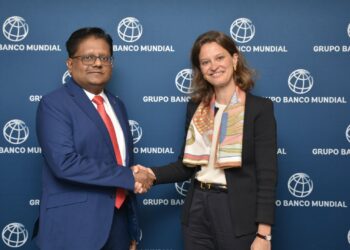
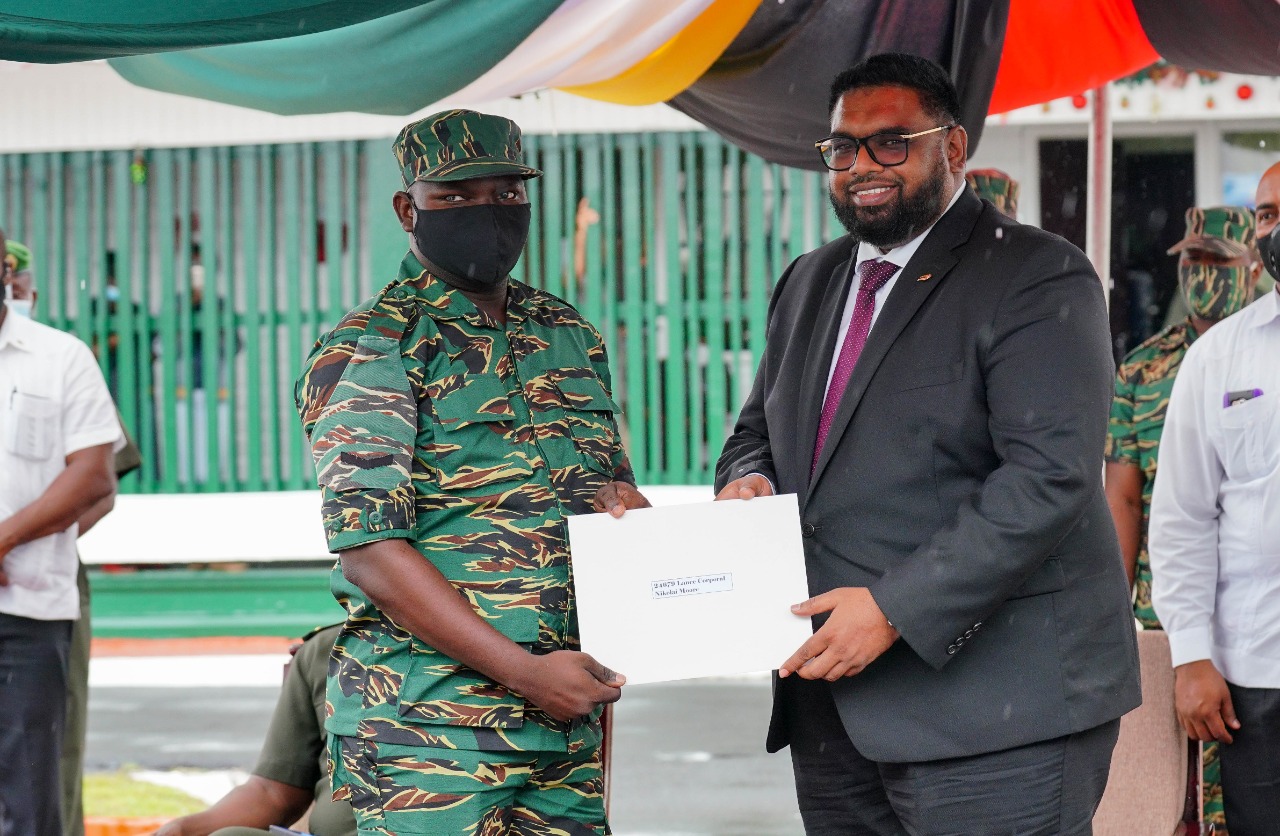
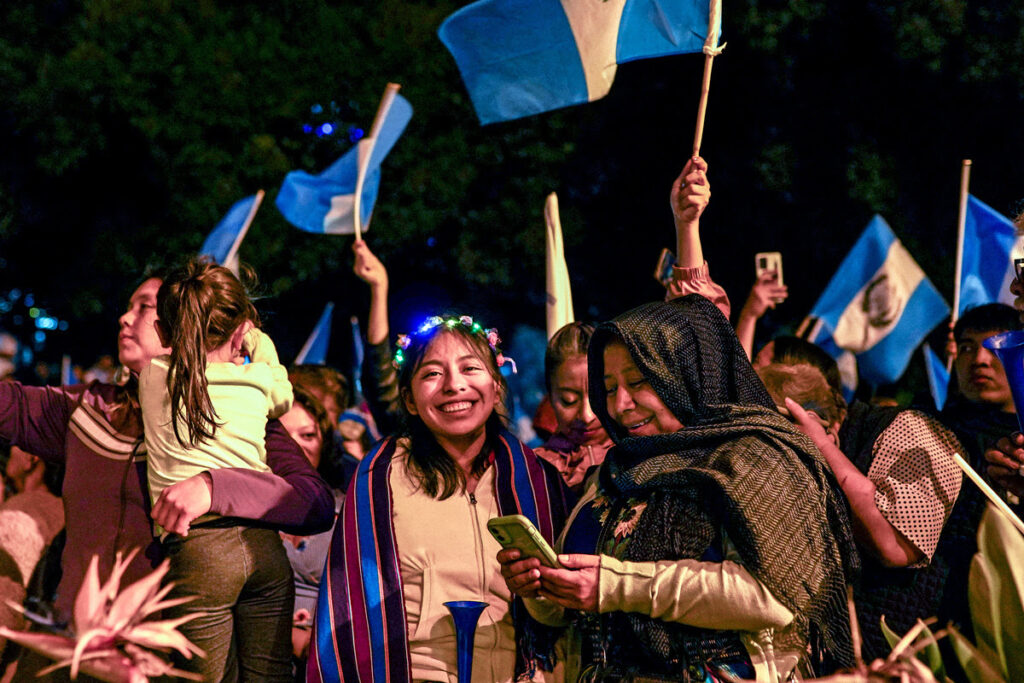
On the international stage, too, beacons of hope illuminate the darkness. Mia Mottley, prime minister of Barbados, is promoting a step-change in climate and development finance through the Bridgetown Initiative and her incoming chairmanship of the Climate Vulnerable Forum, both of which we support. This year has seen welcome changes of the guard at several international organizations, including Amy Pope, the new director general of the International Organization for Migration, and Ajay Banga, the new president of the World Bank. In elections, too, there were victories not only for authoritarianism and populism (take Zimbabwe and the Netherlands) but also for democracy and openness (think of Guatemala or Poland).
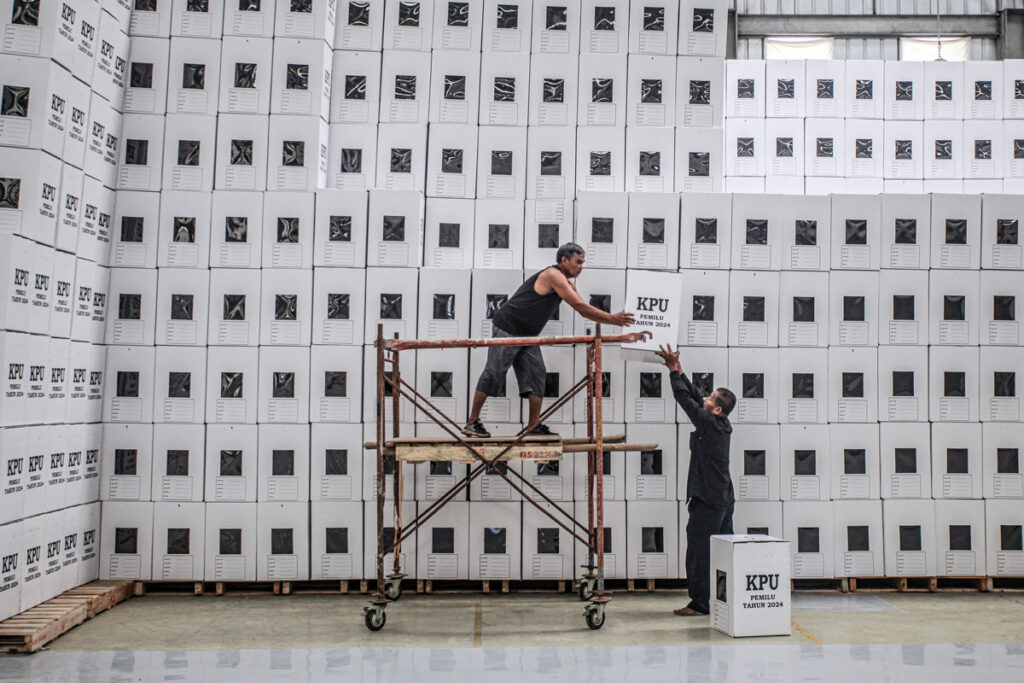
All of which is worth bearing in mind as we enter what is set to be the biggest election year in history. Over the course of 2024, countries with a cumulative population of over four billion people will go to the polls, throwing the global political deck into the air in all sorts of unpredictable ways. Some elections, like Russia’s, will not be remotely competitive. Others, like that in Pakistan, will take place in what might at best be called semi-democratic conditions. But votes in democratic polities, from India and Indonesia to the United States and the European Union, may also be plagued by societal polarization, procedural disputes, and contested legitimacy. We at Open Society will be closely following all of these elections and others.
But we will also be seeking to avoid the temptingly clarifying but oversimplistic narrative that treats each of these elections as a “referendum on democracy.” It is absolutely true that democracy is at stake in many of them. But that is not the same thing as democracy itself being the question motivating how voters cast their ballots. In most cases outcomes will be determined by matters of change and stability: from pocketbook issues like jobs and inflation to demographic divisions between young populations and old leaders. Nor, therefore, should we interpret votes for authoritarian parties or candidates as citizens permanently turning away from democratic and open society principles.
Our own Open Society Barometer, a poll last summer of 36,000 people in a representative group of 30 countries with a total population of over 5.5 billion people, provides important context. Large majorities of our respondents said that they identified with democratic values, valued both group and individual human rights, and supported greater multilateralist ambition. However, they also expressed marked dissatisfaction in incumbent leaders and systems over failures to put food on the table (both figuratively and literally: 49 percent said they had struggled to feed themselves or their family in the past year). They feared political violence, poverty, the effects of climate change, and laws that do not serve “people like me.” They tended not to trust politicians and when asked to identify the biggest challenge facing their country, most frequently cited corruption.
Such is the backdrop to the bumper global election year ahead: a world of citizens often fed up with incumbents and casting around for alternatives that purport to offer solutions, or willing to overlook the democratic shortcomings of authoritarian leaders who do appear to deliver. So to view the upcoming votes merely as referenda on democracy, or “democracy’s last stand,” is to take much too narrow a view. They are referenda on lived experience, not abstract principle; on the cost and standard of living, on people’s sense of security in their homes, workplaces, and streets, on their belief that their leaders can and will protect their interests. To ignore those wider socioeconomic trends is to miss that crucial point.
In light of all this, our mission at Open Society remains consistent: to advance the causes of democracy and human rights championed by George Soros throughout his philanthropic career. But just as that career has been marked by a resolutely entrepreneurial and disruptive spirit, so the philanthropy George founded must continue to move with the times. So in June 2023 the Board under Alex Soros, our new chair, decided unanimously to adopt a new operating model capable of addressing those deeper root causes of the crises of our times.
That has brought a period of understandable anxiety and frustration for staff and their families, as well as our partners and grantees. We are saying goodbye to many dear colleagues as we lay the foundations of the new model.
But over the course of 2024, the new operating model will gradually take shape. As much a change of culture as a change of method, it will move Open Society away from broad themes and toward more tightly focused, but still geographically dispersed, objectives that recognize and reflect the real-world conditions I described above—objectives on which we are confident that we can move the needle in a way that would not happen without our involvement.
It is a challenge as exciting as it is daunting, requiring us to confront deep pathologies like inequality, exclusion, and insecurity, and to identify opportunities born of our ability as a private and political philanthropy to take risks that others like governments and private firms cannot or will not. It will mean a whole new way of working.
To reiterate: our mission remains constant, even as the methods by which we pursue it must change. But one other constant is what George has called the “network of networks,” the decentralized but densely interconnected web of teams within and outside Open Society pursuing the values that we all want to see thrive. That web remains crucial to the mission. In that spirit the new Executive Leadership Team—Pedro Abramovay, Sandra Breka, Binaifer Nowrojee, and I—together join in thanking all of our friends and partners across that wider network of friends, collaborators, and partners for their ongoing cooperation, support, and hard work. And we urge them all—you all—to join us in this new chapter of Open Society’s story.
With that I would like to wish you all the very best for 2024.
Regards,
Mark Malloch-Brown
President, Open Society Foundations