Eighteen persons have already died from dengue fever in the first ten months of this year, 2023. Every hour of the day and night, someone, somewhere in this country become infected with one of the dangerous vector-borne diseases – especially dengue, filaria and malaria − which drive the current high rates of morbidity and mortality. Guyana is among the countries in the Americas with the highest infection rate of malaria and accounts for 3 per cent of all cases in the Americas annually.
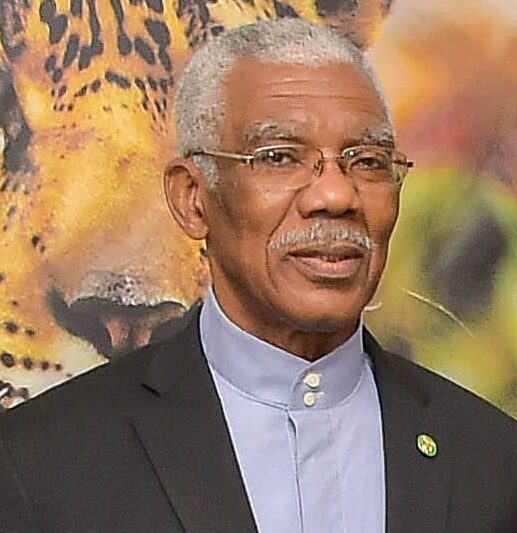
Former President David Granger, speaking on his weekly programme − The Public Interest − called attention to the fact that vector-borne diseases usually affect the poorest and most vulnerable members of the population and, apart from impairing health and reducing human productivity, can be fatal. These diseases impose a heavy burden on the limited resources of the citizens, community and country.
Vector-borne diseases − which include Chikungunya, Dengue, Filariasis, Malaria and Zika − are a public health threat countrywide but the Barima-Waini, Cuyuni-Mazaruni, Potaro-Siparuni and Rupununi hinterland Regions are the most, and worst, affected. Malaria, for example, is endemic in all four regions where 85-90 per cent of cases occur in logging and mining areas. Vector-borne diseases in Guyana are caused by parasites, viruses and bacteria transmitted by the Anopheles, Aedes and Culex mosquitoes which are vectors of chikungunya, dengue fever, malaria, yellow fever, zika and lymphatic filariasis. In fact, the mosquito is the deadliest animal on earth!
Mr. Granger blamed reckless mining and logging which can create breeding sites for species of mosquitoes that transmit the malaria parasite. Unregulated changes in land use, the extension of public infrastructure and economic resource exploitation can create conditions for breeding mosquitoes which become established in the terrain.
He felt that contraband smuggling, illegal cross-border, ‘back-track’ people-trafficking, intercontinental air travel and shipping transport can contribute to the transmission of diseases. The reckless disposal of receptacles, particularly coconut shells, disused vehicles, old tyres, single-use plastic bottles, styrofoam food boxes and solid waste in canals, creeks and culverts − provide stagnant pools as habitats for mosquito larvae. Environmental degradation and pollution promote the growth of mosquito population.

Granger recalled that he had addressed the ‘Malaria Summit’ in London in April 2016 where he proposed a four-pronged international approach to tackling the disease by preventing and limiting vector-borne infections through the dissemination of health information; protecting citizens against its spread by the transfer of technologies; providing improved tools for diagnosing and identifying active cases of malaria and procuring high-quality malaria treatment to ensure full cure of infected persons”.
The former president insisted that the incidence of vector-borne diseases is preventable. Disease can be reduced through education, especially through the media; environmental security through safe and sustainable practices in the mining and forestry sectors to reduce and remove the breeding sites for mosquitoes; cooperation with international agencies to monitor borders and the entry of migrants; collaboration among central, regional and municipal administrations and capacity-building by improving the Public Health Reference Laboratory and the National Infectious Disease Hospital and strengthening surveillance in the public health system.
Granger contended that “the mosquito is the deadliest animal on earth.” He called for greater local collaboration to prevent deaths from vector-borne disease so that our children could enjoy a good life in their country of birth. 󠄀