Friday, July 10, 2026
Village Voice News
ADVERTISEMENT
  • Home
  • News
  • Sports
  • Editorial
  • Letters
  • Global
  • Columns
    • Eye On Guyana
    • Hindsight
    • Lincoln Lewis Speaks
    • Future Notes
    • Blackout
    • From The Desk of Roysdale Forde SC
    • Diplomatic Speak
    • Mark’s Take
    • In the village
    • Mind Your Business
    • Bad & Bold
    • The Voice of Labour
    • The Herbal Section
    • Politics 101 with Dr. David Hinds
    • Talking Dollars & Making Sense
    • Book Review 
  • Education & Technology
  • E-Paper
  • Contact Us
No Result
View All Result
  • Home
  • News
  • Sports
  • Editorial
  • Letters
  • Global
  • Columns
    • Eye On Guyana
    • Hindsight
    • Lincoln Lewis Speaks
    • Future Notes
    • Blackout
    • From The Desk of Roysdale Forde SC
    • Diplomatic Speak
    • Mark’s Take
    • In the village
    • Mind Your Business
    • Bad & Bold
    • The Voice of Labour
    • The Herbal Section
    • Politics 101 with Dr. David Hinds
    • Talking Dollars & Making Sense
    • Book Review 
  • Education & Technology
  • E-Paper
  • Contact Us
No Result
View All Result
Village Voice News
No Result
View All Result
Home Global

The United Nations(UN) has advised developing economies to accelerate renewable energy transition

Staff Writer by Staff Writer
August 7, 2022
in Global
0
SHARES
0
VIEWS
Share on FacebookShare on Twitter

The UN warned that there is a risk of short-term energy policies that might set developing countries on a course for a high-emission and expensive energy future.

It said that, as the world charts its way forward, its plans must safeguard its commitments to the Paris Agreement on Climate Change, as it raised concerns that the rising costs of energy may price out many developing countries, especially, the most vulnerable communities, from energy markets.

READ ALSO

China intensifies digital push in energy sector amid AI boom

AFRICA DIASPORA | Why Ghana Rejected South African President Cyril Ramaphosa’s Planned State Visit

These countries, according to the United Nations Global Crisis Response Group (GCRG) on Food, Energy and Finance, are already bearing the brunt of the cost-of-living crisis, having experienced major setbacks on access to energy and progress on sustainable development since the COVID-19 pandemic.

The report expressed fears that there could be a potential “scramble for fuel” whereby only countries paying the highest prices can access energy, adding that, governments, therefore, need the fiscal space to support their most vulnerable populations to avoid worsening levels of energy poverty or losing energy access altogether.

At the same time, without policies that balance the need for urgency and sustainability, there is a risk of short-term energy policies that might set developing countries on a course for a high-emission and expensive energy future.

As the world charts its way forward, its plans must safeguard its commitments to the Paris Agreement on Climate Change.
UN secretary-general, GCRG, António Guterres, said:
“Developing countries don’t lack reasons to invest in renewables. Many of them are living with the severe impacts of the climate crisis including storms, wildfires, floods and droughts. What they lack are concrete, workable options,”

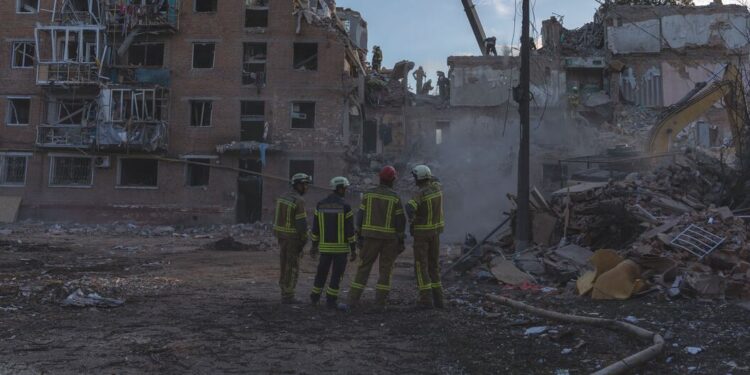
The GCRG’s third brief makes it clear that the war in Ukraine and the global energy crisis that it has caused is a stark reminder of the need for energy resilience and stronger push for the transition to renewable energy.

However, to accelerate the transition, and as outlined by the Secretary-General, policies, including social protection measures for those affected by the transition, technology, subsidies, investments and materials to support renewables need to be in place and readily available.
The brief stressed that, any short-term policies and protection measures must help mitigate the crisis, including efforts to promote energy efficiency and demand reduction, and not exacerbate it, such as blanket subsidies for fossil fuels.

In the medium-to-long-term, the world needs to double down on renewables to meet net-zero goals, tackle energy poverty, and boost and diversify the global energy mix. To that end, the brief calls for the need to significantly increase global investment.
Moreover, renewable energy production is often the least-cost energy production source with the shortest installation times, and provides countries with energy security, reducing future exposure to the volatility of oil, gas and coal prices.

ShareTweetSendShareSend

Related Posts

East Ventures Photo
Global

China intensifies digital push in energy sector amid AI boom

by Admin
July 10, 2026

BEIJING, July 10 (Xinhua) -- China is stepping up efforts to integrate artificial intelligence (AI) into its energy sector as...

Read moreDetails
South African President Cyril Ramaphosa
Global

AFRICA DIASPORA | Why Ghana Rejected South African President Cyril Ramaphosa’s Planned State Visit

by Admin
July 9, 2026

Calvin G. Brown - Ghana’s decision to decline a proposed state visit by South African President Cyril Ramaphosa marks one...

Read moreDetails
People attend a funeral ceremony for Iran's late Supreme Leader Ali Khamenei in Qom, Iran, July 7, 2026. (Mehr News Agency/Handout via Xinhua)
Global

Several explosions heard in S. Iran as U.S. confirms new round of strikes

by Admin
July 9, 2026

TEHRAN, July 8 (Xinhua) -- Several blasts were heard Wednesday night in Iran's southern Hormozgan province as the U.S. Central...

Read moreDetails
Next Post

Gov’t focused on reviving sugar industry- Pres Ali


EDITOR'S PICK

Trump has refused to concede to Biden, despite a resounding loss in the November 3 election [File: Carlos Barria/Reuters]

Trump heard on phone call urging Georgia officials to “find” enough votes to overturn presidential results

January 4, 2021

Recount, elections results unlawful 

August 30, 2020
NRF

APNU Warns of Growing Threat to Natural Resource Fund Safeguards

November 14, 2025
FILE PHOTO: Kimberly Latrice Jones speaks during a gathering outside of the Georgia State Capitol to protest HB 531, which would place tougher restrictions on voting in Georgia, in Atlanta, Georgia, U.S. March 4, 2021. REUTERS/Dustin Chambers/File Photo

Georgia bans giving water to voters in line under sweeping restrictions 

March 26, 2021

© 2024 Village Voice

No Result
View All Result
  • Home
  • News
  • Sports
  • Editorial
  • Letters
  • Global
  • Columns
    • Eye On Guyana
    • Hindsight
    • Lincoln Lewis Speaks
    • Future Notes
    • Blackout
    • From The Desk of Roysdale Forde SC
    • Diplomatic Speak
    • Mark’s Take
    • In the village
    • Mind Your Business
    • Bad & Bold
    • The Voice of Labour
    • The Herbal Section
    • Politics 101 with Dr. David Hinds
    • Talking Dollars & Making Sense
    • Book Review 
  • Education & Technology
  • E-Paper
  • Contact Us

© 2024 Village Voice