Wednesday, May 6, 2026
Village Voice News
ADVERTISEMENT
  • Home
  • News
  • Sports
  • Editorial
  • Letters
  • Global
  • Columns
    • Eye On Guyana
    • Hindsight
    • Lincoln Lewis Speaks
    • Future Notes
    • Blackout
    • From The Desk of Roysdale Forde SC
    • Diplomatic Speak
    • Mark’s Take
    • In the village
    • Mind Your Business
    • Bad & Bold
    • The Voice of Labour
    • The Herbal Section
    • Politics 101 with Dr. David Hinds
    • Talking Dollars & Making Sense
    • Book Review 
  • Education & Technology
  • E-Paper
  • Contact Us
No Result
View All Result
  • Home
  • News
  • Sports
  • Editorial
  • Letters
  • Global
  • Columns
    • Eye On Guyana
    • Hindsight
    • Lincoln Lewis Speaks
    • Future Notes
    • Blackout
    • From The Desk of Roysdale Forde SC
    • Diplomatic Speak
    • Mark’s Take
    • In the village
    • Mind Your Business
    • Bad & Bold
    • The Voice of Labour
    • The Herbal Section
    • Politics 101 with Dr. David Hinds
    • Talking Dollars & Making Sense
    • Book Review 
  • Education & Technology
  • E-Paper
  • Contact Us
No Result
View All Result
Village Voice News
No Result
View All Result
Home News

Granger addresses difficult quest of African-Guyanese for economic freedom

Admin by Admin
September 9, 2023
in News
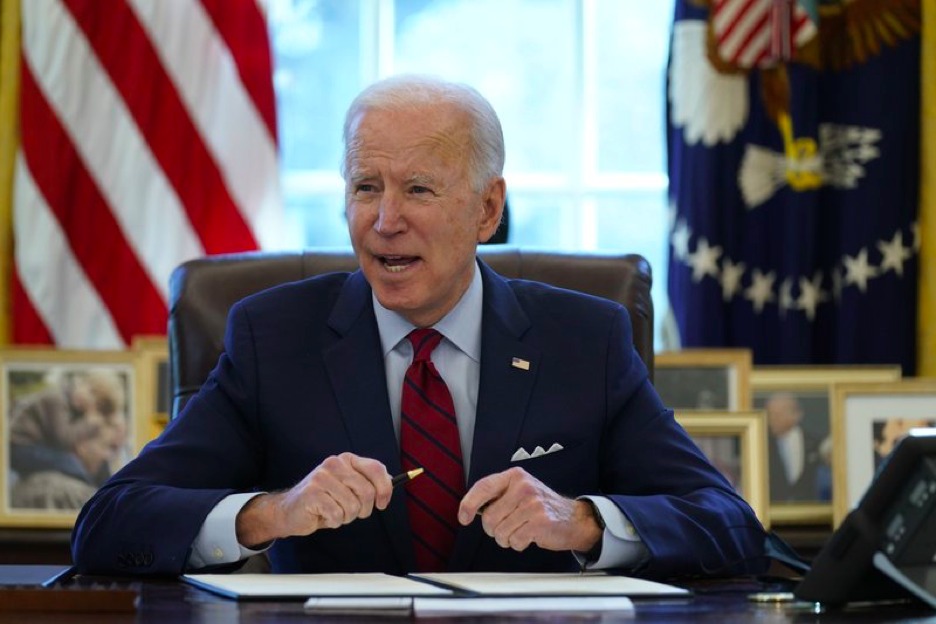
Former President David Granger

Former President David Granger

0
SHARES
0
VIEWS
Share on FacebookShare on Twitter

African-Guyanese protests, for over a century and a quarter after Emancipation, erupted mainly in response to economic hardship caused by oppressive taxation and ethnic marginalisation. From the start of the post-Emancipation village movement in 1839, the colonial élite set out to subordinate the villages in order to prevent free men and women from creating a rival peasantry thereby posing a threat to the European plantation system. A policy of deliberate domination was employed to prevent the emergence of an economically prosperous and politically powerful African-Guyanese population.

Former President David Granger, speaking on his weekly programme – the Public Interest – cited evidence that the colonial administration imposed burdensome taxes on villagers to pay for local public works − particularly dams, bridges, roads, drainage, irrigation, and sea defences. Peasant farming became impossible during floods in the low, flat East Demerara and West Berbice coastland without drainage control. Further, as indentured immigrants quit the plantations after their contracts ended, they entered retail business where they competed against African-Guyanese hucksters, traders and vendors.

READ ALSO

Soldier Shot in Border Attack as Violence Escalates Along Cuyuni Corridor

Literacy, numeracy being strengthened through teacher training, assessments – Min Parag

Economic hardship was the main cause of most of the protests from the post-Emancipation to the immediate pre-Independence period (about 125 years). The ‘Angel Gabriel’ protest (1856), for example, was caused by high food prices and burdensome taxation. Anger exploded in attacks on Portuguese-owned shops which were blamed for everyday food costs. The Berbice-Demerara ‘Rates War’ (1863-64), similarly, erupted as a protest against high taxation which villagers – starting in Buxton-Friendship but spreading to Agricola and Ithaca villages – refused to pay.

The Former President argued that deep-seated, long-standing grievances against high taxation, low wages and economic hardship were the root causes of the Georgetown protests (1905). The Ruimveldt protest (1924), erupted after the British Guiana East Indian Association and the British Guiana Labour Union mobilised thousands of plantation and waterfront workers to protest against low wages, poor working conditions and economic hardship in the post-World War economic depression. The Bourda protests (1930s) were a public campaign waged by Rev. C N Smith − also known as the ‘Bourda Green Bishop’ – who led the so-called ‘Church Army’ against unemployment and economic hardship on behalf of the city’s poor.

Mr. Granger stated that the British Guiana Trades Union Council (BGTUC) called a general strike in 1962 to protest low salaries and measures for increased taxation and compulsory savings proposed in the PPP administration’s ‘Kaldor’ budget. The BGTUC called another general strike (1963) against measures in the PPP administration’s ‘Labour Relation Bill’ which could alter the method of trade union recognition in the sugar industry.

African-Guyanese protests, the former President said, were aimed mainly at alleviating economic hardship. He posited that economic justice could be assured by enhancing education about the history and experiences of all ethnic groups; empowering institutions and enforcing laws to allow local democratic organs to function without domination and improving employment opportunities for young people affected by economic hardship. These modern measures could avoid protests by creating the conditions for present-day Guyanese to enjoy a good life.
ShareTweetSendShareSend

Related Posts

Guyana Defence Force soldiers (GDF Facebook photo)
News

Soldier Shot in Border Attack as Violence Escalates Along Cuyuni Corridor

by Admin
May 6, 2026

By Mark DaCosta- A Guyana Defence Force (GDF) soldier was shot and wounded on Monday morning during a patrol along...

Read moreDetails
Minister of Education, Sonia Parag
News

Literacy, numeracy being strengthened through teacher training, assessments – Min Parag

by Admin
May 6, 2026

The Ministry of Education is ramping up efforts to improve literacy and numeracy in Guyana by enhancing teacher training, curriculum...

Read moreDetails
Economist Joel Bhagwandin speaking on the impacts of establishing the Guyana Development Bank
News

Guyana Development Bank to expand opportunities, drive inclusive growth

by Admin
May 6, 2026

The establishment of the Guyana Development Bank (GDB) marks a critical step in transforming the country’s economic landscape, with a...

Read moreDetails
Next Post
Dr Frank Anthony, Minister of Health

Minister of Health Dr. Frank Anthony's Message on Caribbean Wellness Day 2023


EDITOR'S PICK

THE SOUTHERN SPEAR: JUSTICE, OIL, AND THE ARCHITECTURE OF UNCERTAINTY

January 8, 2026

President Ali must shift from political rhetoric and offer government action where it is most needed

December 11, 2020
Leader of the Opposition and WIN, Azruddin Moahmed and evidence of the police raid on Wed Feb 11, 2026

Azruddin Mohamed decries SOCU raid as political persecution  

February 12, 2026

Mining land dispute between Tasserene Village Council and Michael Bacchus

April 28, 2023

© 2024 Village Voice

No Result
View All Result
  • Home
  • News
  • Sports
  • Editorial
  • Letters
  • Global
  • Columns
    • Eye On Guyana
    • Hindsight
    • Lincoln Lewis Speaks
    • Future Notes
    • Blackout
    • From The Desk of Roysdale Forde SC
    • Diplomatic Speak
    • Mark’s Take
    • In the village
    • Mind Your Business
    • Bad & Bold
    • The Voice of Labour
    • The Herbal Section
    • Politics 101 with Dr. David Hinds
    • Talking Dollars & Making Sense
    • Book Review 
  • Education & Technology
  • E-Paper
  • Contact Us

© 2024 Village Voice