Rob Kaplan (Forbes)- Plastic pollution is a unique environmental crisis in that it is a global problem with local solutions. That means if we want to solve it, then we have to implement a multi-regional, multifaceted approach that accounts for the different challenges faced by different parts of the world. We have to drive capital to those local enterprises that can help build the local, regional and ultimately global recycling supply chains needed.
And we’ve known for some time that getting the recipe right in Latin America and the Caribbean (LAC) will go a long way to solving the global problem. Recycling rates in the LAC region lag far behind the rest of the world. What’s more, per a UNEP report, Latin America and the Caribbean generate approximately 10% of all generated global waste, making it second after East Asia and Pacific. The report also states that only 10% of waste is currently reused through recycling or other recovery techniques and the region’s current waste generation will increase at least 25% by 2025.
But until now we haven’t really understood how to segment and target the business opportunity to hasten the development of a circular economy. For more than two years, our team has been working alongside a number of public and private organizations to do just that. These include institutions like the Inter-American Development Bank, which has been vocal about its commitment to seeding the space in the LAC region and a steering group composed of PepsiCoPEP -0.1%, Danone, Dow, Colgate-PalmoliveCL -0.1%, The Coca-ColaKO -0.2% Company, FEMSA Foundation and Mars. And the results are in: there is strong potential for growth, infrastructure, and technological advancement that can promote the circular economy while creating the necessary capacity development in the region to boost the entire waste ecosystem.
With the research findings in my back pocket, I want to summarise some of the insights from this process — based on inputs from these multinationals and other stakeholders — and how to assess the LAC marketplace in terms of challenges and opportunities.
A quick aside – for those of you that follow this column, you’ll know that my expertise in solving and remediating the plastic pollution crisis comes in large part from my company’s on the ground experience working in South and Southeast Asia (SSEA). For the past several years we have worked to prove that you can indeed find viable business opportunities and attract corporate and institutional capital to scale solutions.
Latin America and the Caribbean is a region of extremes, and the circular economy is no exception. There are clearly identifiable needs: low overall collection, high levels of informality, low levels of professionalization, and major capital gaps. There are also a number of strengths: world class recyclers, existing capacity and proven models. In this sense, the starting point in LAC is different than in SSEA and, in many respects, they are further along in a number of countries compared to SSEA. In particular, there are models and insights regarding the informal sector of waste collectors in LAC that SSEA can learn from.
That said, when it comes to the circular economy for plastic waste, nothing is so easy. Whereas in traditional finance, business opportunities are often fungible, when it comes to the circular economy you can’t just port the learnings from one region to another and call it a day. Certainly, a lot of the challenges may be similar, but factors differ vastly by region and even country.
An ecosystem building strategy
We narrowed our perspective to focus on three core themes:
Ecosystem Development and the Networked Approach. FlowFLOW2 -5.7% of capital is only one part of the solution and will only be successful in partnership with other players. Interested stakeholders must think about providing capital, scaling and networking and opening doors for local entrepreneurs with new solutions and technology to help the region.
Ensure the Right Tools for the Right Problems. Impact professionals can often suffer from Maslow’s Hammer (ie. If the only tool you have is a hammer, you tend to see every problem as a nail). It is critical to deliver value and solutions to the specific problems and goals of the recycling supply chain to ensure the end-market is primed for offtake.
Rising Tides Lift all Boats. Leverage existing work and best practices to deliver scale faster than individual players can do on their own.
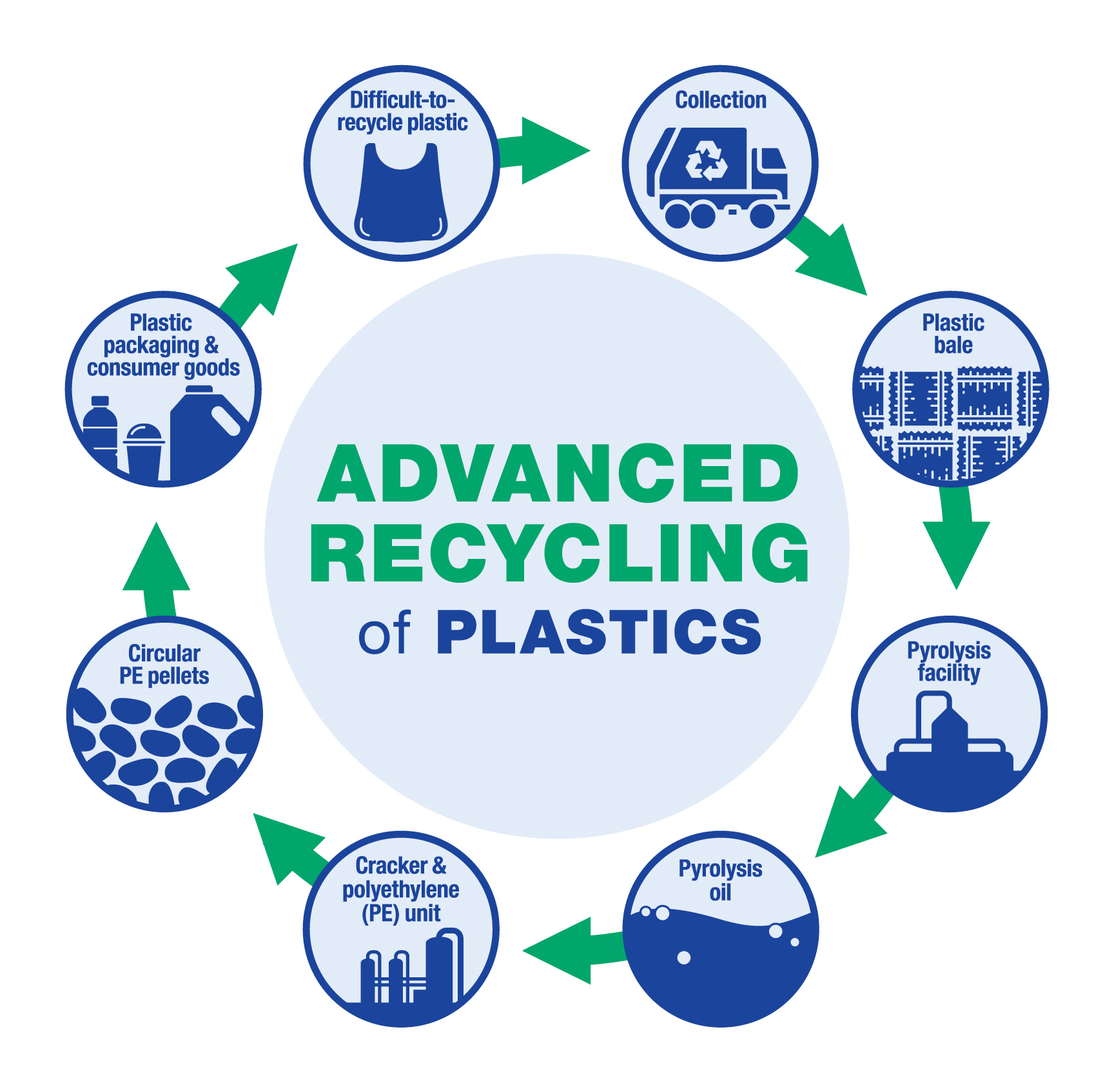
In addition to opportunities in known technologies and business models there was also a continued push by the steering group and stakeholders to go further faster and look for leapfrog solutions such as chemical recycling and other innovative approaches.
Segmenting the promising LAC marketplace
We believe the biggest opportunities lie in the following three areas:
Scale recycling supply chains for recycled PET (what water bottles are made of), rPE/rPP (what detergent bottles are made of), and multilayer plastic (what candy wrappers and sachets are made of).
Reduce plastic pollution and greenhouse gasses (GHGs); and
Increase post-consumer recycled (PCR) offtake for packaging; and improve livelihoods.
We divided the continent into two segments: ready to scale markets, including Mexico, Brazil, Columbia and Chile, and frontier markets such as Peru, Costa Rica and El Salvador.
By way of a quick snapshot, as we look across these “ready to scale” markets, there are opportunities to deploy solutions at a faster pace and greater scale than other countries. For example, with PET we believe the focus should be on scale and vertical integration. It’s not just about building new rPET plants, as some of the best rPET plants in the world already operate here. There are strong models in play that we believe have key elements of integration that can be applied to other underserved markets, which would mitigate risks and improve likelihood of success. We know there are strong operators already in the market, and we believe they can be helped to reach new levels of impact, new resins, and also new geographies.
Where to from here?
These types of solutions offer the potential to unlock all sorts of important impacts on the environment; ocean plastic pollution and vulnerable populations; help create a safe and more stable environment for waste pickers; curtail the use of open dumpsites that are creating additional health hazards and power the next generation of emerging companies and waste recycling and circular economy companies that have until now been overlooked by the institutional capital.