…. proposes 3-pronged approach centered on building resilience through infrastructure development, risk financing strategies
The World Bank, in its report – 360-degree Resilience: A Guide to Prepare the Caribbean to a New Generation of Shocks, said recent studies have found that while Caribbean countries have achieved resilience levels that have allowed them to support economic development despite large recurring damages and losses from hazards and shocks, they are not prepared for the new challenges posed by Climate Change.
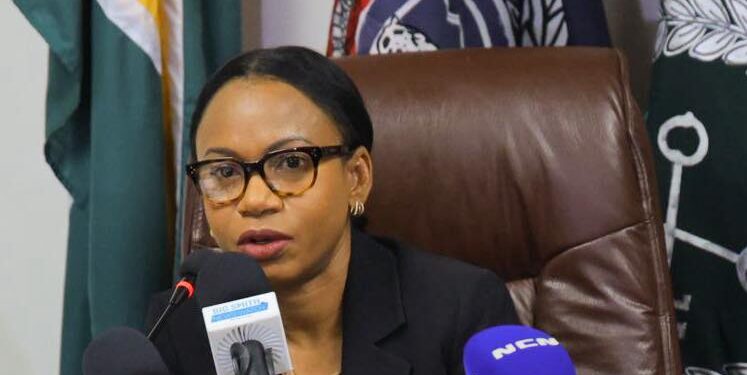
The World Bank’s Senior Economist, Julie Rozenberg, in presenting the report during a press conference on Tuesday, warned that the strategies that have worked in the past will not be enough in the future due to current gaps.
“Climate change threatens to intensify natural hazards and brings new sources of volatility though impacts on health, agriculture yields, and coastal landscapes,” the World Bank said, while adding that the post-COVID-19 world brings more uncertainty on prospects for tourism.
Many countries, the report explained, have also depleted their fiscal space and coping capacity while dealing with past crises. It said the new challenges call for more consistent approaches to resilience, building on stronger institutions, robust analytics, and more transparent prioritization.
In an effort to enhance the Region’s resilience, the World Bank is urging Governments to increase their efficiency by improving investment management and infrastructure maintenance, in addition to layering risk financing; empowering households and private sector by increasing both the coverage and adequacy of social protection, strengthening worker skills for resilience, improving access to finance; and reducing future physical risk by investing in critical infrastructure and better enforcing building codes and standards.
It explained that Governments can enhance their efficiency by investing in the digitalization of key government services, which would allow for faster dissemination of information from disaster management agencies, health authorities and education authorities to the public.
“Many Caribbean countries’ social protection systems, for example, still rely on rudimentary Excel – or paper-based registries,” it pointed out while noting that the first steps towards interoperability and integration would require establishing a system for nationwide unique identity management and digital registries.
Additionally, the World Bank made a case for the processes for post-disaster spending to be improved. “Fiscal response to disasters in the Caribbean is not always strategic or efficient, and emergency finance procedures are often undocumented, ad hoc, coincidental, and sometimes inefficient. And while there have been some achievements in disaster finance planning and fiscal impact mitigation, given the frequency of natural disasters in the Caribbean, national authorities should provide more guidance on how to manage public finances, procurement, and investments to swiftly respond to—or rebuild after—disasters. Governments do not systematically track public assets, which are also financially under-protected, making it difficult to quickly carry out accurate post-disaster needs assessments or replace destroyed assets,” it explained.
It also underscored the need for governments within the region to reduce budget variability and fiscal risks by improving public asset management; building fiscal resilience; assessing direct and indirect liabilities; improving the transparency of budget allocation for emergency social protection and health expenditure; and initiating disaster risk financing strategies that cover the entire spectrum of risk from small, frequent events to rare, extreme events.
In the area of empowerment, the World Bank called on Governments to support farmers and fisherfolks with access to data, technological solutions, and finance.
“Solutions for adaptation must be based on local, historic climate knowledge; and the input and participation of local farmers and fisherfolk is crucial in creating and implementing said solutions. Farmers and fisherfolk also need to expand their knowledge and access climate-adaptive and risk management tools and strategies,” it said.
The World Bank said to create an enabling environment, governments should make financing available and accessible, ensure that the necessary materials and equipment are available in local markets, provide advisory services to deliver technical guidance, and create policy and regulatory environments that incentivize farmers and fisherfolk to invest in climate-adaptive tools and strategies.