By Mark DaCosta-Hinterland communities in our country have once again been asked to trust a process that reached them last, not before. Amerindian residents and civil society activists want the Environmental Assessment Board (EAB) to revoke a uranium exploration permit at Kurupung, Region Seven, and to order a full environmental and social assessment before more work proceeds.
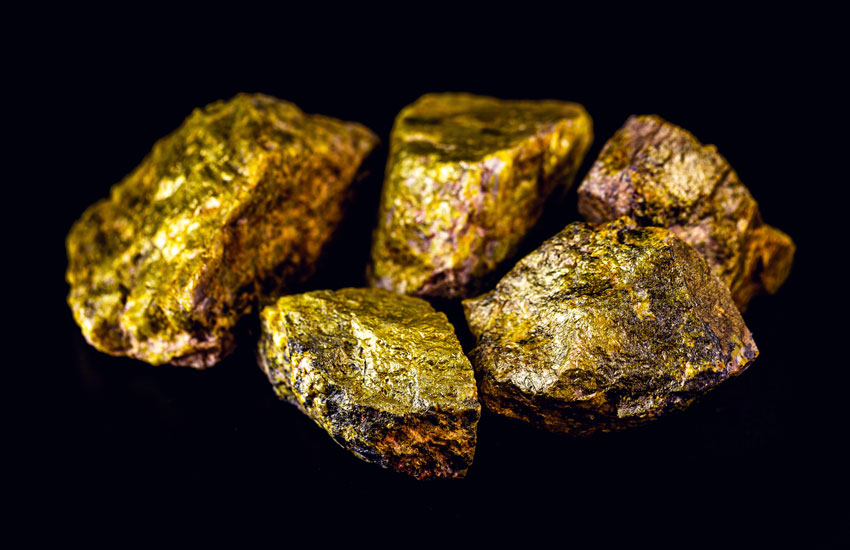
Uranium is a naturally occurring, dense, radioactive metal found in small amounts in rocks, soil and water. It is best known as fuel for nuclear power stations, once its fissile content is enriched. It is also used in nuclear weapons and naval reactors. Guyana has no nuclear power plant, as far as we are aware, and no domestic uranium industry. Whatever is mined here would not light a Guyanese home or serve a Guyanese hospital. It would be exported, which means our communities would carry the local risks while the end uses lie elsewhere.
Those risks are easy to misstate in either direction, so precision matters. Natural uranium is only weakly radioactive, and its health effects come mainly from its chemical properties, with kidney damage the most likely outcome of ingesting large amounts. Those kidney effects are described as mild and reversible once exposure stops. The greater concern is what uranium becomes. It decays very slowly into radium and radon gas. A National Research Council review found that long exposure to radon decay products is generally the largest radiation-related health risk from uranium mining and processing.
Miners, who face elevated radon, are exposed to radiation that can cause DNA damage linked to cancer. Long-term inhalation of uranium and radon has been linked to chronic lung disease. Reviews of the science also point to renal, developmental and reproductive effects, and harm to bone growth. “Our miners may face that risk if foreign people come to Guyana to dig up our uranium,” says a local physicist. Remember, we have no use for uranium, says the scientist, but we will carry all the risk to our miners.
For villagers the main pathway is water. Uranium and its decay products can leach into groundwater and expose nearby populations when drinking supplies are affected. Rivers and creeks in the Mazaruni basin are drinking water, fishing grounds and highways. Dust, diesel exhaust and silica add other hazards. It is fair to say that exploratory drilling is far smaller in scale than a mine, and that most of these dangers grow with operations at scale. That is exactly why a permit at the exploration stage should come with proper baseline testing of water, soil and air before any ground is disturbed.
The sequence of events explains local anger. The prospecting licences were granted in April 2024, yet the project’s existence and implications became widely known only much later. On 26 August the Environmental Protection Agency (EPA) exempted exploration at Kurupung from an Environmental Impact Assessment. Forty citizens and four organisations appealed on 25 September, saying Indigenous residents had not been consulted or asked for consent. A second appeal questioned the EPA’s capacity to monitor the work and the absence of uranium-specific regulations.
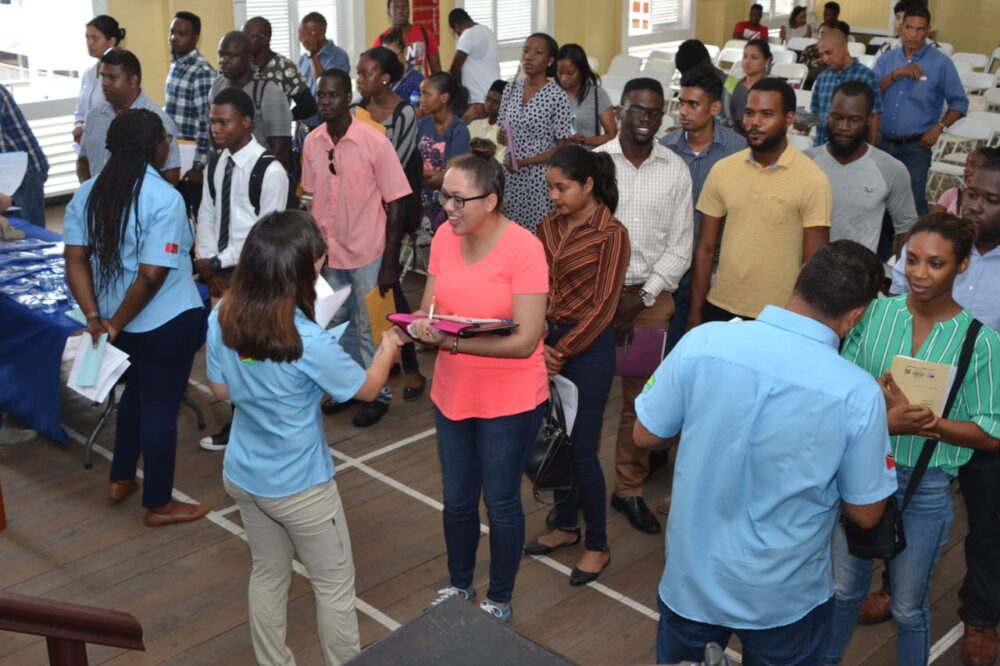
At last Monday’s hearing, speakers demanded revocation and an assessment including free, prior and informed consent. Laura George, from Phillipai in the Upper Mazaruni, said that anything affecting ecosystems, biodiversity and hydrology there also affects Indigenous people. Former Kako Toshao Mario Hastings said, “I am saying ‘no'” (Demerara Waves, 24 November). Those are not the words of people who feel consulted.
The EPA relies partly on distance. Its assessment placed the nearest Indigenous communities at 3.2 kilometres (Kurupung South) and 18 kilometres (Tumureng). But water moves downstream and people range widely across their territory. Region Seven Vice-Chair Alden Marslowe called the Middle Mazaruni “not an empty piece of real estate” (Kaieteur News, 10 August). Mining history also argues for caution: a Toshao questioned at the hearing acknowledged that medium-scale gold mining, with occasional mercury use, takes place in his area. Communities already bearing the costs of weakly policed extraction deserve a regulator who asks harder questions of the next industry.
The other side has a case worth hearing. U92 Energy says exploration differs from commercial mining and that a mine would come only after further study, an environmental assessment and government approval. Its chief executive has said the company is willing to conduct an assessment, though the EPA says one is unnecessary. The EPA regards the impacts of exploration as localised and temporary, and the Board must weigh that.
Yet when the company is willing and the community is asking, only the exemption stands in the way. The Board should suspend the permit pending a full environmental and social assessment, with radiological baselines and consent from affected villages before drilling continues. If the work is as benign as its proponents say, the findings will show it, and our country will have a decision its people can trust.