Guyana is confronting a troubling convergence of political power, police action and a shrinking space for dissent. On Friday, November 13, as President Irfaan Ali vowed to “crush” anyone seeking to destabilise the nation, members of the Guyana Police Force searched the home of Opposition MP Natasha Singh The 45-minute search was followed by her detention and questioning at CID Headquarters before she was eventually released. However, while Singh s now free, her husband, Shane Fordyce, is facing treason charges, adding another troubling dimension to the unfolding controversy.
The timing and circumstances of these developments raise serious questions about the exercise of state power and the treatment of political opponents. While legitimate criminal investigations must be allowed to proceed, the public is entitled to ask whether law enforcement is being applied impartially or increasingly used in ways that could intimidate dissent. Does Guyana still meet the essential tests of democracy, or is it merely preserving its outward appearance?
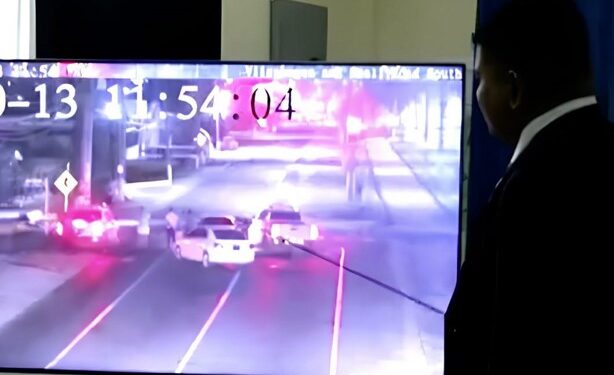
The police search followed the November 10 firebombing of a Guyana Power and Light substation at Good Hope, East Coast Demerara. The reported Molotov cocktail attack, captured on CCTV, warrants a serious investigation. However, President Ali went further, suggesting a centrally coordinated conspiracy. On Friday, he claimed “enormous progress” and promised answers “very soon”, alleging that intelligence partners had identified links between local actors and the criminal network Tren de Aragua. He provided no supporting evidence, citing the need to protect intelligence sources.
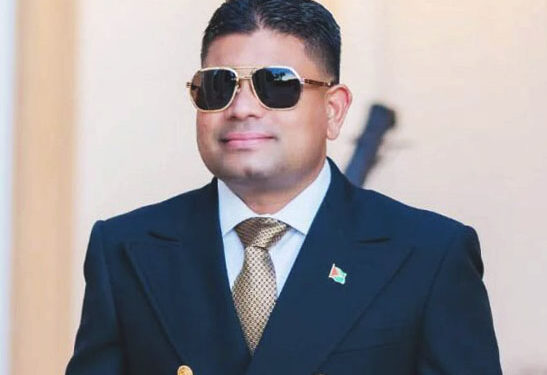
Although Ali did not name Opposition Leader Azruddin Mohamed, his remarks came amid ongoing legal proceedings involving Mohamed. When a government invokes a shadowy domestic conspiracy without presenting evidence publicly, legitimate questions arise about whether political opponents could become targets.
The Caribbean Guyana Institute for Democracy has condemned the search as a pretext and accused members of the judiciary of complicity in issuing the warrant. These remain allegations, not established facts. Nevertheless, judicial independence is fundamental to democracy, and Freedom House scores Guyana’s judicial independence at just 2 out of 4.
Parliament, another essential check on executive power, is also facing scrutiny. On November 12, A Partnership for National Unity (APNU) MP Sherod Duncan protested that ten questions concerning labour shortages, foreign workers and a proposed electronic identification card for migrant employees had been struck out. A November 5 letter cited Standing Order 20(1)(k), which restricts questions relying on statements made in the media.
While the Speaker has authority to determine admissibility, excluding questions based on public statements by ministers risks shielding government policy from parliamentary scrutiny. Duncan also says a motion concerning media access to Parliament was disallowed and that other questions faced objections. These concerns warrant a public explanation.
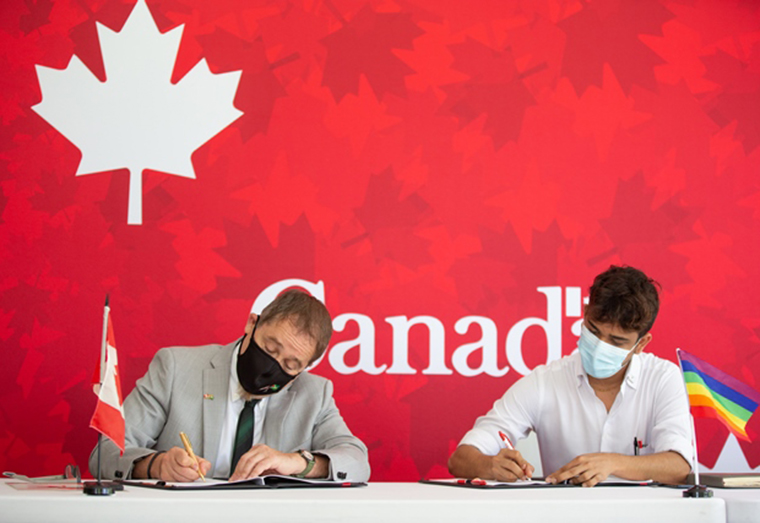
Meanwhile, critics face growing legal pressure. Ali confirmed that his Government retained Canadian attorney Selwyn Pieters to pursue social media users accused of spreading falsehoods and attacking officials’ reputations. In December 2025, Pieters initiated Canadian court proceedings against Meta and activist Melissa “Melly Mel” Atwell over statements allegedly made about the President’s mother.
Guyana also retains criminal libel provisions carrying prison sentences and defamation laws allowing potentially unlimited damages. Other Caribbean jurisdictions, including Jamaica and Grenada, have moved away from criminal defamation. Freedom House has also documented harassment and intimidation affecting Guyana’s press freedom.
Taken together, these developments raise serious concerns: an alleged conspiracy is invoked, police action targets an opposition parliamentarian, parliamentary scrutiny faces restrictions, judicial independence attracts criticism and legal pressure hangs over government critics. Dictatorship does not always arrive through military coups or tanks in the streets. Democratic institutions can be weakened incrementally while elections continue.
Freedom House still rates Guyana 74 out of 100 and classifies it as “free”, although it identifies obstacles affecting opposition campaigning. The more defensible concern is that the country risks sliding into competitive authoritarianism, where opposition parties can contest elections but cannot compete on a genuinely level playing field.
What happens next will matter. Evidence of the alleged conspiracy must withstand public and judicial scrutiny. Singh must receive a clear explanation of the police action and any allegations against her. And Leader of the Opposition Azruddin Mohamed deserves credible explanation why he was denied attendance to the National Assembly on Wednesday November 10, 2026. Speaker must account for restrictions on parliamentary questions, while lawmakers must confront laws that threaten press freedom.
Guyana cannot claim to be a functioning democracy merely because elections are held. Democracy requires independent institutions, accountability, civil liberties and protection for those who challenge those in power. If these safeguards continue to erode, the distinction between democratic governance and authoritarian rule will become increasingly difficult to defend.