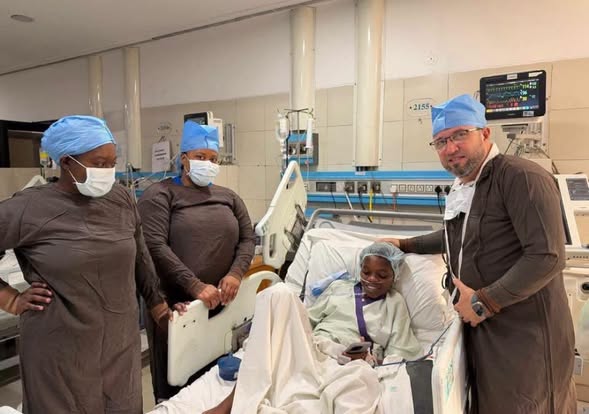
Four of five Guyanese children who travelled to India for specialised cardiac treatment have successfully undergone heart surgery at Indraprastha Apollo Hospital, offering renewed hope to their families. However, medical specialists determined that the fifth child’s condition was too complex for surgery.
The overseas treatment was facilitated and fully funded by the Government of Guyana, which covered the costs of medical care, airfare and accommodation for the children and their families, including one accompanying parent for each child.
A medical team from the Georgetown Public Hospital Corporation (GPHC) also travelled with the families to India to support the children throughout the process.
The development was announced in a government update, which said the parents had expressed gratitude for the assistance that made the treatment possible. The announcement also recognised the medical teams from Apollo Hospitals and GPHC for their expertise and care.
The outcome represents an important development in the country’s continuing efforts to address the backlog of children requiring specialised treatment for congenital heart defects and other serious cardiac conditions.
Continuing efforts to address childhood heart conditions
The overseas treatment follows a series of paediatric cardiac interventions undertaken at GPHC in September and October through a collaboration with Apollo Hospitals in India.
Between September 28 and October 2, an 18-member team of specialists from Apollo worked alongside more than 50 Guyanese healthcare professionals to perform 16 cardiac procedures on 13 children.
The procedures included 10 complex open-heart surgeries, three catheter-based device closure procedures and three diagnostic cardiac catheterisations. Some children underwent more than one procedure.
According to GPHC, all 13 children received treatment and were subsequently discharged. The collaboration was part of an initiative spearheaded by the Government of Guyana to reduce the number of children awaiting specialised cardiac intervention.
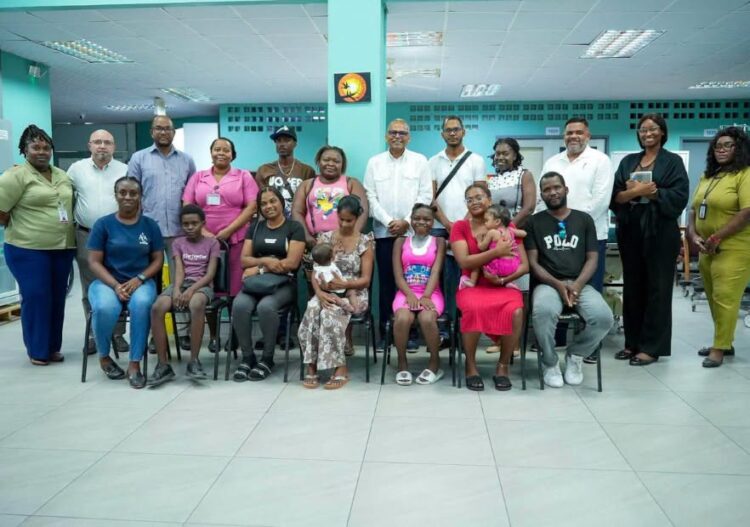
The overseas referrals were necessary because some children had particularly complex conditions requiring advanced surgical expertise and post-operative support that were not available locally.
In September, President Ali announced that approximately 40 children were awaiting specialised congenital heart surgery and said the Government was working to address the backlog through partnerships with international medical institutions.
The Government had also announced plans for a further paediatric cardiac mission in December, in collaboration with Gift of Life International, during which approximately 10 open-heart surgeries were expected to be performed.
Building local capacity
The collaboration with Apollo Hospitals is also intended to strengthen Guyana’s capacity to provide specialised paediatric cardiac care.
By working alongside international specialists, GPHC medical professionals gain practical experience in complex procedures, patient management and post-operative care. The longer-term objective is to expand the range of cardiac services available locally and reduce the number of families who must travel overseas for treatment.
Congenital heart defects are structural abnormalities of the heart that are present at birth. Depending on the nature and severity of the condition, affected children may require medication, monitoring, catheter-based procedures or open-heart surgery.
While the successful operations in India offer encouraging news for four families, the fifth child’s case underscores the challenges associated with treating highly complex cardiac conditions.
The Government’s announcement did not provide further details about the fifth child’s diagnosis, the reasons the specialists considered surgery unsuitable, or what alternative treatment or care may be available.
For the four children who underwent successful operations, the procedures mark a significant step in their treatment journeys. Their families, meanwhile, have expressed appreciation for the financial and medical support that enabled them to access specialised care abroad.