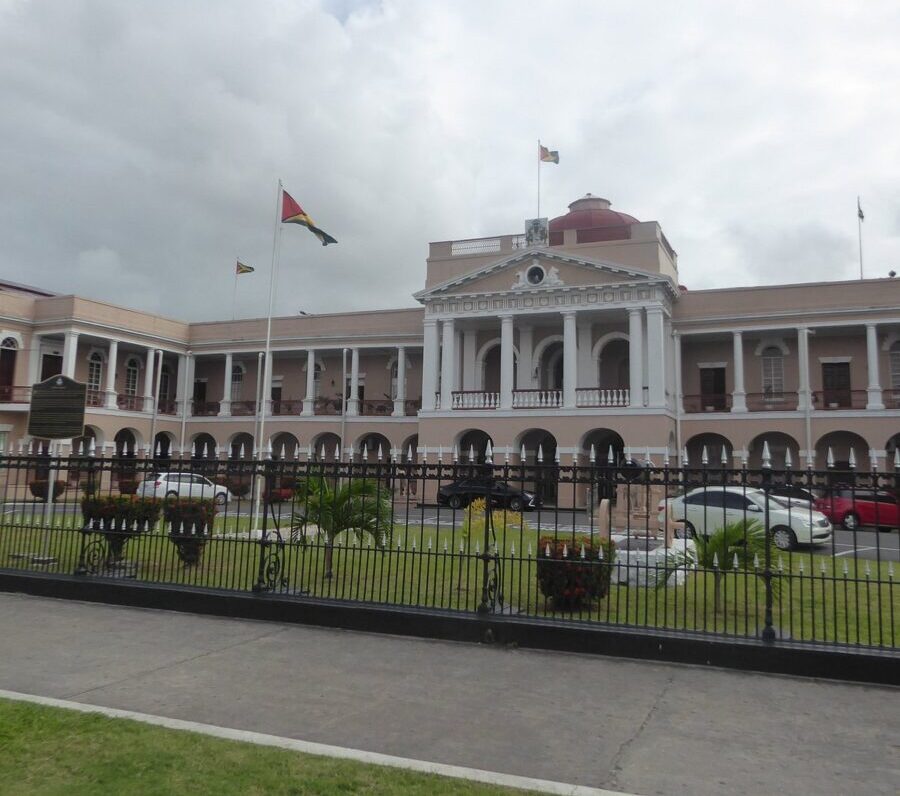
Guyana’s parliamentary democracy is facing serious questions after the 13th Parliament recorded just four sittings during its first year following the September 2025 General and Regional Elections, a dramatic decline compared with the records of its three predecessors.
A review of parliamentary records shows that the 10th Parliament held 31 sittings, the 11th recorded 36 and the 12th held 24 during the first 12 months following their respective elections. The 13th Parliament, by contrast, convened only four times within the same election-based period.
The figures raise concerns about the National Assembly’s ability to fulfil its central democratic responsibility: holding the executive accountable.
The 10th Parliament followed the November 28, 2011 elections and recorded 31 sittings in its first year. The 11th Parliament, elected on May 11, 2015, recorded 36, while the 12th Parliament, elected on March 2, 2020, held 24.
The 13th Parliament, elected on September 1, 2025, first convened on November 3, 2025. Its subsequent sittings were held on January 26, February 2 and June 5, 2026.
This comparison counts numbered plenary sittings within the first 12 months after election day, not the first year after each Parliament’s inaugural meeting. Committee meetings and other parliamentary activities are excluded.
The decline is particularly troubling at a time when Guyana is managing unprecedented oil revenues and approving budgets worth hundreds of billions of dollars. Major decisions involving public expenditure, infrastructure contracts, petroleum revenues and national development demand rigorous legislative scrutiny.
Parliament is not a ceremonial institution convened simply to approve government business. It is the constitutional forum where ministers must answer questions, public spending must be examined and government policies challenged. Its effectiveness depends on regular sittings and meaningful opportunities for elected representatives to hold the executive to account.
When the Assembly rarely convenes, those opportunities diminish. Opposition parliamentarians have fewer occasions to question ministers, expose shortcomings and raise matters affecting their constituents. Citizens, in turn, lose an important avenue through which government decisions can be publicly scrutinised.
The Opposition’s role is particularly important in a system where the governing party controls the executive. Parliamentary democracy requires more than elections; it requires an active legislature capable of checking the exercise of government power between elections.
The figures do not, by themselves, establish why the 13th Parliament has met so infrequently, nor do they measure the quality of work undertaken through committees or other parliamentary activities. They do, however, raise legitimate questions about the Assembly’s schedule, the government’s commitment to parliamentary accountability and the opportunity afforded to the Opposition to perform its constitutional role.
Guyana’s growing oil wealth makes effective oversight more urgent, not less. Billions of dollars in public resources are being committed to national projects and government programmes. The country cannot afford a legislature that is largely absent from the scrutiny of decisions shaping its economic and democratic future.
A Parliament that does not meet regularly cannot adequately question, scrutinise and hold government accountable. The 13th Parliament’s record of four sittings is therefore more than a statistical concern. It raises a fundamental question about whether Guyana’s most important democratic institution is being allowed to perform its duty as a check on executive power.
The government and parliamentary leadership must explain why the Assembly has convened so infrequently. Guyanese deserve a Parliament that works, not one whose absence leaves executive decisions with fewer opportunities for public and legislative examination.